Success Stories
Behavioral Health Aide
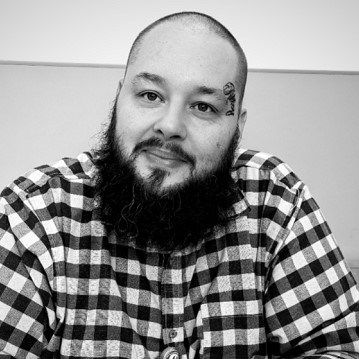
My name is Kyle Davis, and I'm originally from Atlanta, Georgia. My wife and I, along with our three awesome boys, moved to Alaska in early 2023 after spending eight years working in residential children's group homes. My wife had just finished her doctorate in residential care models, and we felt it was the right time to transition out of direct care. We heard about Dillingham from friends who had moved here and encouraged us to check it out. It’s been nearly two years now, and we love it. The experience has been nothing short of incredible.
I work at Bristol Bay Area Health Corporation at Jakes Place, a drug and alcohol treatment facility. I started out as a Residential Assistant, moved into a supervisory role, and now serve as a counselor. The Behavioral Health Aide (BHA) program was presented as an option, and it immediately caught my interest. I saw it as a way to gain the education and training I needed to best serve the region and its unique challenges.
Although my background is in direct care, I didn't originally plan to work in behavioral health. However, as I learned more about the challenges facing rural Alaskans, I realized this was where I could make a real impact. The BHA program gave me the tools to address these challenges while remaining culturally sensitive and respectful to the people I serve.
What stands out most about the BHA program is its focus on cultural sensitivity and understanding. Coming from the South, I was cautious about how I approached my work here. The program taught me how to listen deeply and engage with the community in a way that aligns with their values and needs. It has also been flexible, allowing me to balance work, family, and learning.
The program has given me invaluable tools to navigate the challenges of serving in rural Alaska. Whether it's learning how to build trust, stepping up during crises, or simply being present for someone in need, this experience has been transformative. For anyone considering the BHA program, I would say this: it's a life-changing opportunity. It equips you with the skills to make a meaningful difference in people's lives while also allowing you to grow in ways you never expected.
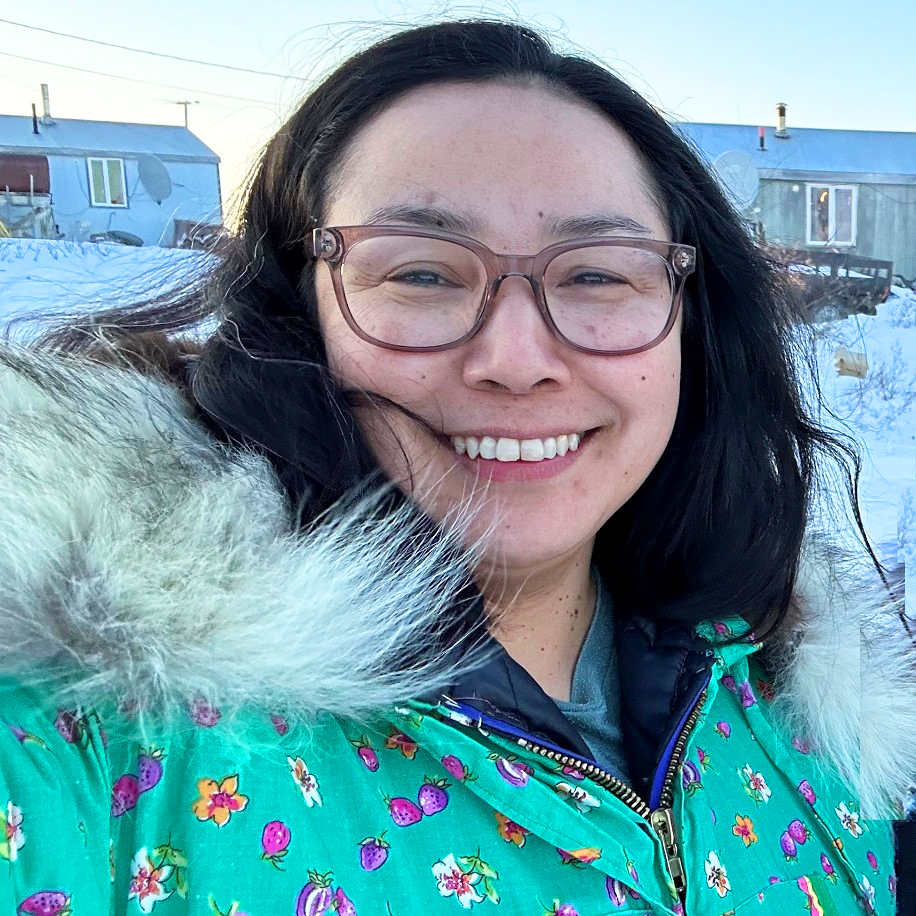
My name is Josie Garnie, and my native name is Poiyuna. I was born and raised in Teller, Alaska, a small village north of Nome with fewer than 300 residents. In 1997, I started working as a village-based counselor (VBC) trainee, and over the years, through hard work and training, I got promoted.
I learned about the village-based counseling program (Behavioral Health Aide Program) through the Norton Sound Health Corporation. It was a new program to bring counselors to rural villages like mine, and elders in my community encouraged me to apply. One of them was my aunt, a longtime Health Aide who even delivered me when I was born. Her recommendation motivated me to take the opportunity, which provided both training and education while allowing me to serve my community.
At first, my goals were simple. I wanted to gain some education, learn new skills, and make a difference in my village. Over the years, I've realized just how much this program has impacted both me and the people I work with. I still remember my first clients dealing with severe challenges. Just being able to help improve their lives, even in small ways, was incredibly rewarding.
One of the most influential people in my journey was Teresa, a fellow VBC who guided me and others with her wisdom and compassion. She taught us to work from our hearts, using our traditional knowledge alongside the formal skills we were learning. She also introduced me to self-care strategies like the "snowball exercise," where you release stress at the end of the day to stay present and grounded.
This work has taught me the importance of staying calm and present, even in difficult moments. Whether it's offering support during a crisis or simply being there to listen, I've learned that sometimes, the smallest gestures make the biggest impact. Programs like this not only strengthen individuals but also uplift entire communities.
The BHA program has transformed my life and given me the tools to help others in meaningful ways. It's more than a career—it's a way to give back to the people and the place I call home.
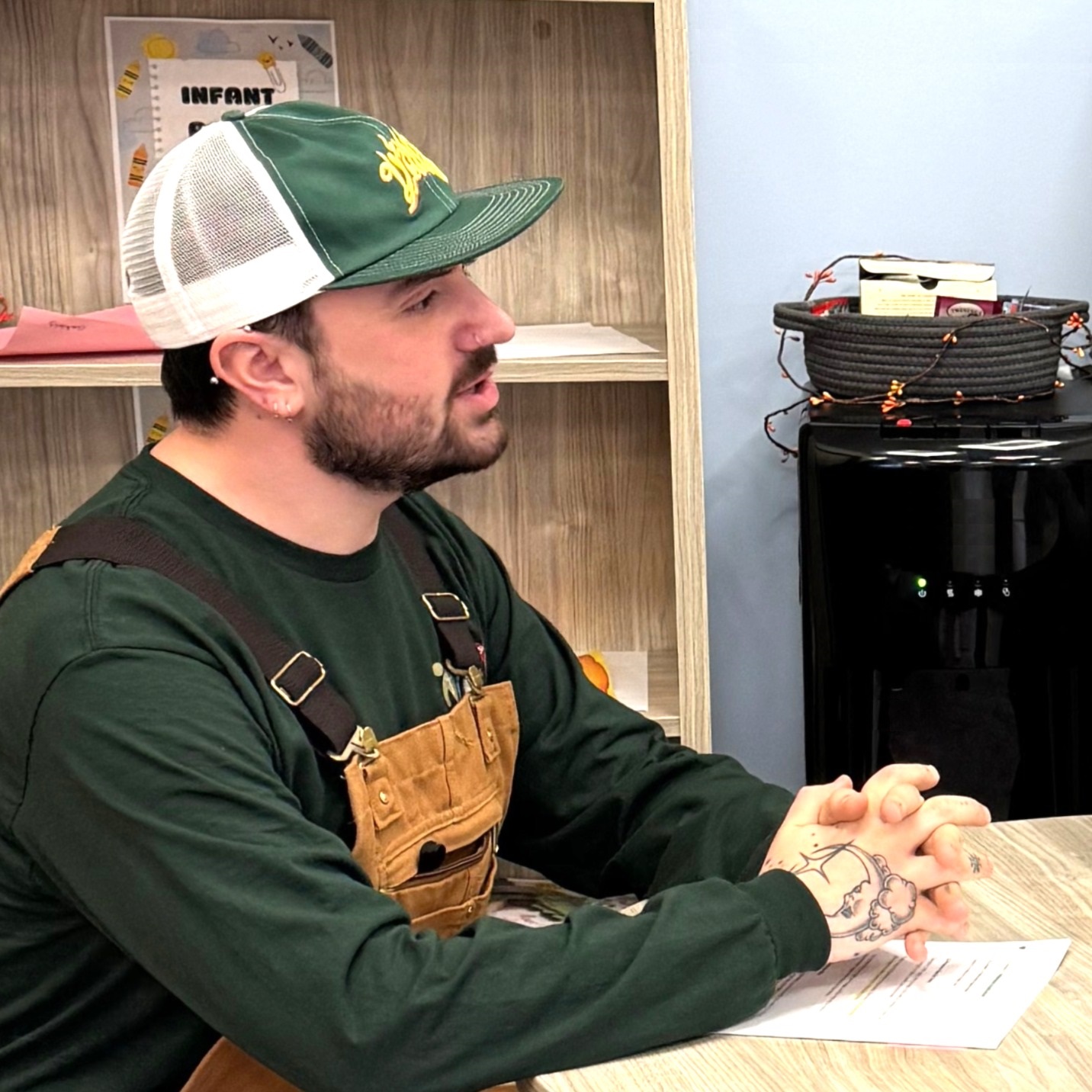
My name is Hunter Roloff, and I've worked in the behavioral health field for six years, supporting youth and families in schools, homes, and clinics through a mental health clinic. While I've always been passionate about helping others, there was a time when I felt burned out and uncertain about continuing in the field. I didn't feel equipped or supported enough to move forward, and I lacked a crucial understanding of the history of Alaskan communities and the generational trauma caused by colonization.
Everything changed when a colleague at the Benteh Wellness Center told me about the BHA program. I was immediately drawn to its holistic approach to care and its focus on supporting Alaskan Native communities. The program emphasized cultural awareness and respect, values that resonated deeply with me and gave me hope for a fresh start in my career.
At the time, I was at a crossroads and needed a way to reconnect with my work. The program provided exactly what I was searching for—culturally informed training, strong community support, and the chance to rediscover my passion for behavioral health. Most importantly, it demonstrated a commitment to respecting and serving the communities we work with, a principle I've always held close.
Through this program, I aimed to rebuild my confidence and develop skills that would help me better serve others, particularly in areas like de-escalation, communication, and traditional health-based practices. I wanted to feel more equipped to handle challenging situations and navigate moments of uncertainty with grace and effectiveness.
What truly set the BHA program apart was Alaska Native Tribal Health Consortium’s (ANTHC) genuine commitment to its participants. It wasn't just about teaching technical skills, it helped me reconnect with my passion, grow personally and professionally, and feel supported every step of the way. The instructors, the community, and the resources provided made me feel valued as an individual, not just a participant.
The program has completely changed my outlook. It reignited my passion for behavioral health and equipped me with the tools to succeed. Today, I feel more connected to my work than ever before and confident in my ability to make a meaningful difference.
The ANTHC BHA program didn't just change my career, it changed my life.
Community Health Aide
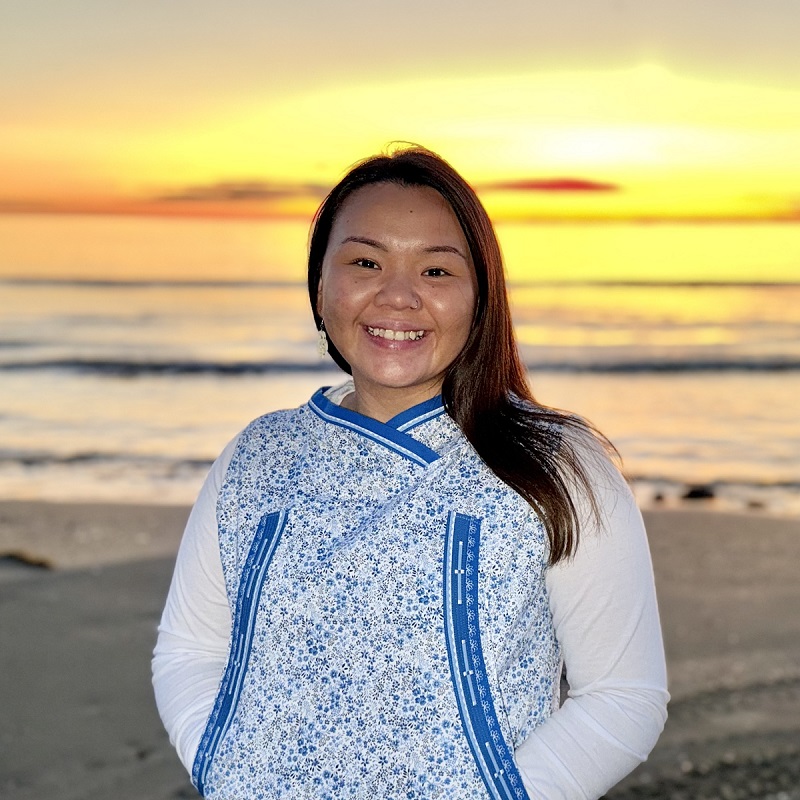
My name is Brittany Oxereok. I'm from Shishmaref, Alaska. Anna Ningaalook and Britt Oxereok are my parents, but I was raised by my maternal grandparents, Evelyn and Daniel Olanna, by the time I was nine years old.
I first heard about the Community Health Aide Program (CHAP) in 2019 while working as a clerk at our local grocery store. My fellow co-worker and supervisor, Dolly Kiyutelluk, told me about open CHA positions with Norton Sound Health Corporation (NSHC) and encouraged me to take the Test of Adult Basic Education (TABE). She thought I would make a good Health Aide.
I chose this program because I have always wanted to work in the health field. At first, I dreamed of becoming a dermatologist, then a registered nurse. Over time in CHAP, my main goal became reaching the highest level, Community Health Aide Practitioner. I reached that goal in five years with NSHC.
What truly made this program stand out was being able to help my community, being the eyes and ears for our providers. But the journey wasn't easy. During pre-session training, I lost a cousin to suicide. The grief was heavy for everyone. When I started session one training, I failed every hands-on skill test. I struggled with depression, burnout, and self-doubt. I almost wasn't brought back for session two. Somehow, in those last two weeks, I pushed through and didn't give up.
Throughout my growth in the program, many people supported me, including my family, Dolly, fellow CHAs, current and former trainers, and coworkers. Everyone played a part in shaping me into the health aide I am today.
CHAP has made me stronger physically and emotionally. Every program has good days and bad, but it taught me resilience. Now, I hope to continue my education and eventually become a Nurse Practitioner or Physician Assistant so I can do even more to help others.
My biggest lessons from the program are simple: take breaks when you need them. Don't burn yourself out. Spend time with your family and don't be too hard on yourself if you fail a training, just pick yourself back up and keep going.
This program is meaningful to me because it allows me to continue my family's legacy of providing Health Aide services. The trust from my community, being their helping hands, eyes, and ears, means everything.
Dental Health Aide
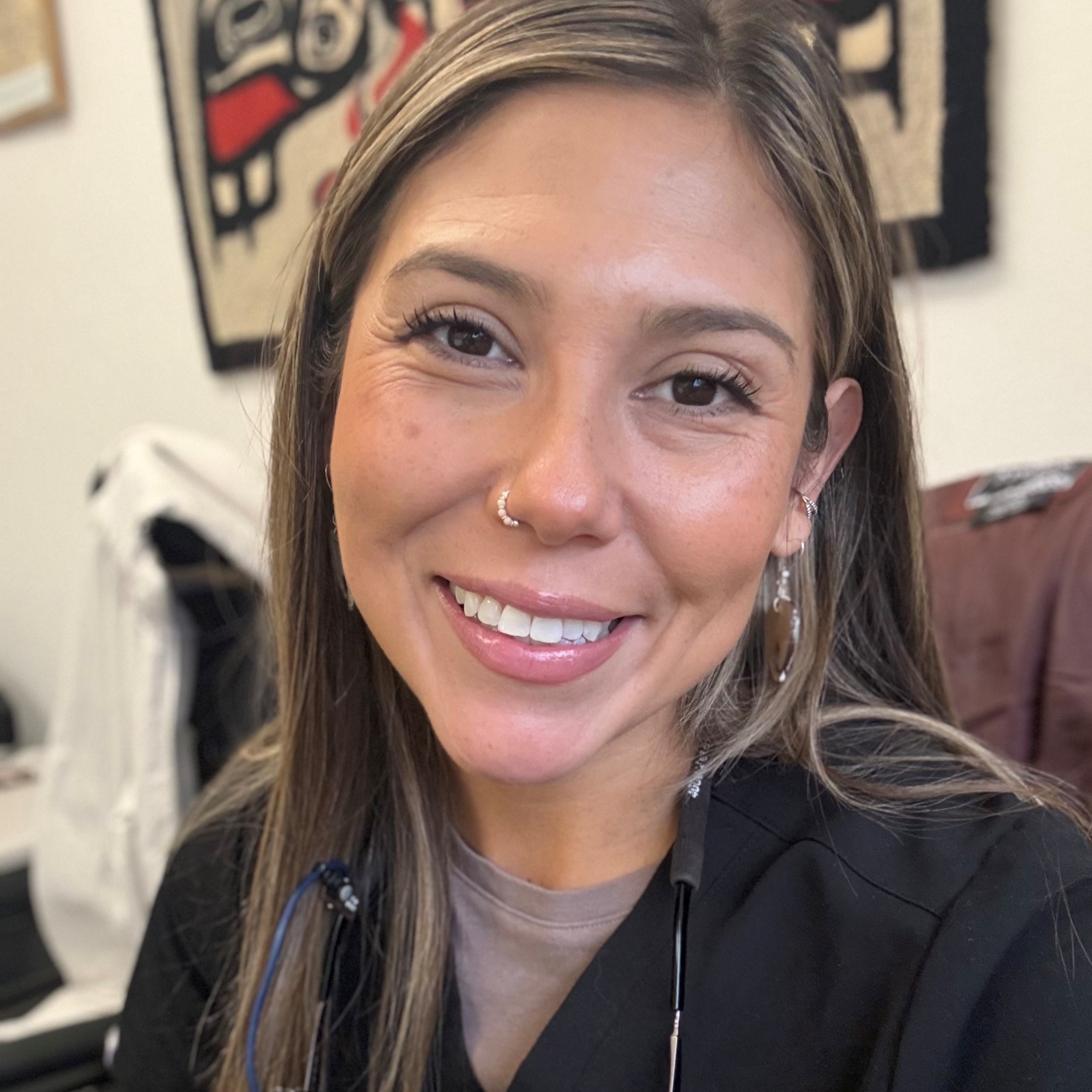
My name is Sarah Chagnon, and I am a Swinomish Tribal member from La Conner, Washington. If there's one thing I want people to know, it's that there is no "right" timeline for life. My path into health care has been anything but traditional. I raised my children while working and going to school. It wasn't easy, but I wouldn't change it. Every challenge shaped who I am.
I always knew I wanted to work in health care. At the time, I was a medical assistant planning to apply to nursing school when a routine dental appointment changed everything. During that visit, I learned about dental therapy for the first time. I didn’t even realize then that tribes were helping lead the way in expanding access to dental care. That one conversation opened a door I didn't know existed.
I went home and started researching. I asked if I could job shadow. Within seconds of observing care, I knew this was what I was meant to do. Five months later, my family packed up and boarded a five-day ferry from Bellingham to Alaska so I could attend the Alaska Dental Therapy Education Program. It was terrifying. It was exciting. It was a leap of faith.
Training and serving in remote communities showed me what access to care truly means. I saw the difference it makes when someone shows up consistently, builds trust, and cares deeply about their community. I realized this work is about more than clinical skills. It's about relationships.
Today, I practice in my own Tribal community. I've watched children who were once afraid of the clinic walk in smiling. Parents tell me their kids feel safe here. Those moments remind me why I chose this path.
Last year, I earned my master's degree in Health Administration. In December 2025, I found out I was accepted to dental school. I'll graduate around age 40 and become the first doctor in my family.
If you've ever wondered whether it's too late, whether you're ready, or whether you belong in health care, I hope my story reminds you that you do. There is space for you in this work. Programs like CHAP create pathways for people like us to serve our own communities.
Growth isn't linear. Dreams don’t expire. And sometimes the hardest road leads to the most meaningful place.
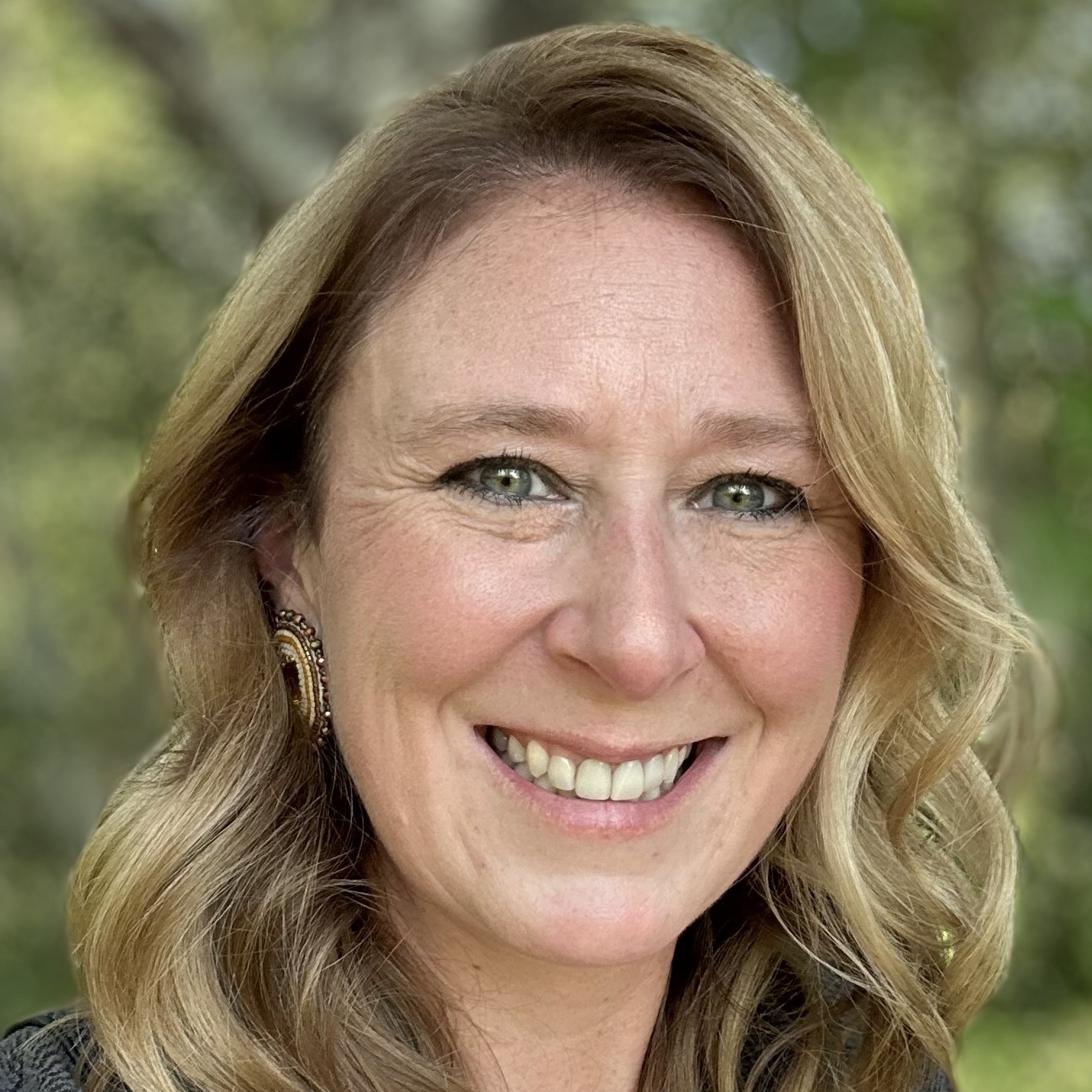
A Journey of Passion and Purpose
Becoming a dental therapist is not just a career choice for me–it is a deeply personal mission shaped by resilience, determination, and my lived experiences. Growing up in a blended household with disabled parents and being the first in my family to attend college, I encountered challenges that inspired my commitment to making dental care accessible for all.
With over 14 years in the dental field, I have developed a profound understanding of patient care. My career began as a dental assistant, where I witnessed firsthand the fears and anxiety many patients associate with dental visits—feelings I personally experienced as a child. These moments fueled my desire to break cycles of generational dental trauma by offering compassionate, community-centered care.
The role of a dental therapist allows me to build trust, empower families with knowledge, and address gaps in care. My goal is to establish a "dental home" where patients feel supported, particularly in rural and underserved communities where access to care is limited. Through Skagit Valley's Dental Therapy program, which embraces diversity and serves Native American communities, I am gaining the tools to fulfill this vision.
Starting this journey in my late 30s has been both challenging and rewarding. Financial aid from scholarships like the Michigan Primary Care Association Dental Therapy Scholarship (MPCA) and the Cobell scholarship has lightened the cost burden of higher education, while mentorship during clinical training has strengthened my confidence and skills.
This program has profoundly impacted my life and career. It has equipped me to address the pressing dental needs of my home state and instilled in me a deep understanding of cultural awareness and motivational interviewing—skills essential for working with diverse populations.
To others considering this path, I offer this advice: Hold on to your "why." The journey may be demanding, but it is undeniably worth it. The challenges you face will shape you into a compassionate and skilled provider.
My journey to becoming a dental therapist reflects resilience, passion, and a dedication to community service. I am honored to serve the community that shaped me, and I look forward to creating lasting change in the lives of those I care for.
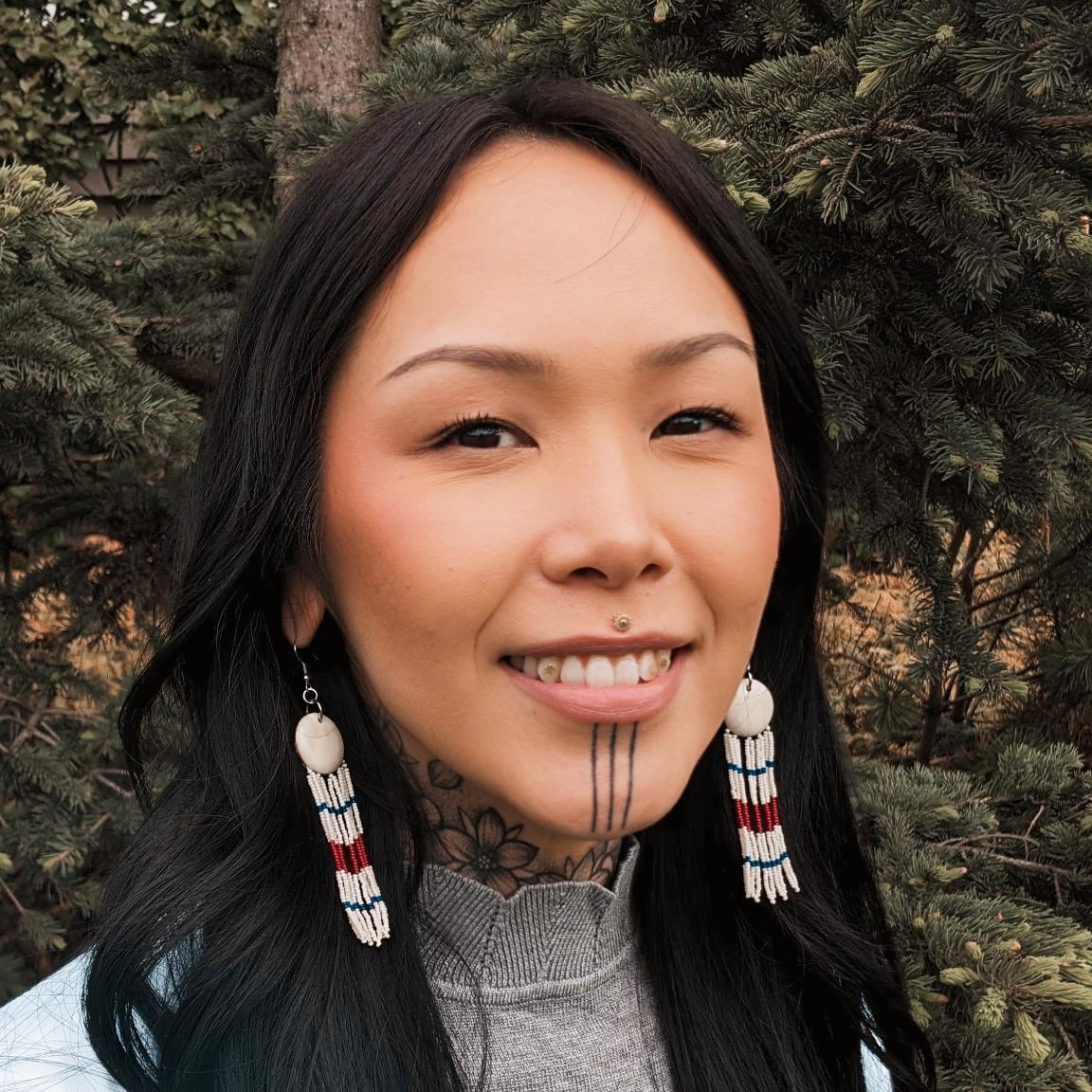
Whanga aatqa Hilary "Mek" Apangalook, aatqa yupigestun Mekegsaaguq. Sivuqaghhmiinguunga.
My name is Hilary "Mek" Apangalook, and my Yupik name is Mekegsaq. I am Siberian Yupik from Gambell on St. Lawrence Island.
I first learned about the Dental Health Aide Therapist (DHAT) program in 2016 while working with the Southcentral Foundation (SCF). The opportunity to combine professional growth with serving my community inspired me to pursue this path. Seeing my older sister graduate from the DHAT program reinforced my belief in its transformative potential.
Choosing dental therapy was a natural fit for me. I wanted to challenge myself in the dental field and, more importantly, serve my community. The program's emphasis on providing accessible, culturally informed care in rural and underserved areas aligns deeply with my values. Working in Bethel, I've seen firsthand the vital role DHATs play in addressing oral health disparities. Being part of this mission has been both humbling and rewarding.
The DHAT program has been a life-changing experience. It has instilled confidence in me as I work to improve access to oral healthcare and empowered me to share knowledge and skills with those I serve. Along the way, my “dental family,” including incredible colleagues and mentors from SCF, has supported me with guidance and encouragement.
One key takeaway from this journey has been the importance of adaptability and grace. Challenges are inevitable, but each hurdle is an opportunity to grow. As DHAT students, we learn to navigate adversity, both as individuals and as members of a community. This has helped me appreciate the value of cultural awareness and the resilience we bring to our work.
For me, this program is more than professional training; it's a way to honor my Indigeneity and give back to my community. It has allowed me to contribute to the preservation of cultural practices while addressing critical healthcare needs. By combining traditional values with innovative care models, I’m proud to advocate for Indigenous health and well-being in a holistic way—physically, mentally, and spiritually.
To those considering this path, I say this: the journey will test you, but it will also transform you. Trust the process, embrace the challenges, and remember your "why." Together, we can ensure the resilience and well-being of our communities for generations to come.
Igamsiqanaghallek/thank you.
