Food and Nutrition Security and Why It Matters for Health
Access to healthy, affordable food is essential to good health. However, many American Indian and Alaska Native families still face challenges getting the food they need. Food and nutrition security are closely connected to preventing chronic disease, improving health equity, and supporting long-term wellness. At the Indian Health Service, we continue to focus on efforts that improve food systems and incorporate community priorities to address the conditions that affect health.
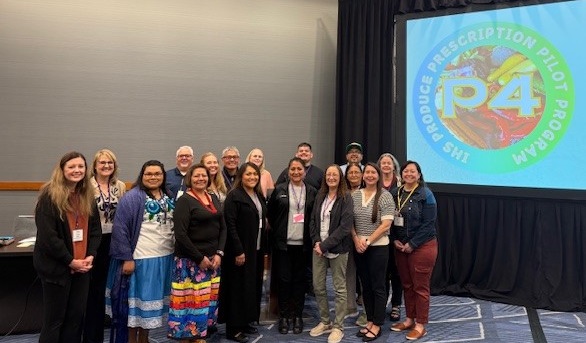
One program supporting this work is the Produce Prescription Pilot Program, also known as P4. Developed and led by the Division of Diabetes Treatment and Prevention, P4 takes a community-focused approach to improving nutrition security while supporting the prevention and management of chronic disease.
When we talk about food security, we are asking a simple but important question: Do people have reliable access to enough healthy food to live active, healthy lives?
Across many American Indian and Alaska Native communities, access to healthy food is shaped by a range of long-standing factors. While our communities have strong cultural connections to food traditions, barriers such as changes to food systems, limited access to traditional foods, environmental challenges, and fewer affordable grocery options can make consistent access to nutritious foods more difficult.
Nutrition security goes beyond having enough food. It means having the right foods to support long-term health. This includes fresh fruits and vegetables, as well as traditional foods that align with cultural practices and nutritional needs. Nutrition security is especially important because diet-related conditions, such as diabetes, affect Native communities at higher rates. Managing these conditions becomes much harder when access to healthy food is limited or inconsistent.
The P4 was created to help address these challenges. The P4 helps families regularly access fruits, vegetables, and traditional foods. At the same time, it strengthens local food systems and partnerships. The program offers a practical, community-centered way to support better health through improved nutrition.
Food insecurity does not always mean empty cupboards. It often means making daily tradeoffs, such as stretching meals, choosing what fits into a tight schedule, or balancing food needs alongside work, caregiving, and other responsibilities. These pressures can add up over time, especially for families working hard to stay healthy.
The P4 directly responds to these everyday challenges. The P4 helps families access foods that support their health and well-being by providing produce prescriptions, supporting partnerships with local grocers and farmers, incorporating traditional food practices, and offering hands-on nutrition education. In its first year, the program showed strong community engagement, creative problem-solving, and meaningful collaboration among tribal organizations, health programs, and local food providers.
The P4 is not only about food. It is about wellness, culture, and strengthening communities from the ground up. Strengthening nutrition security takes commitment, collaboration, and respect for community knowledge. The Produce Prescription Pilot Program shows what is possible when clinical care, public health, and tribal communities work together to expand access to healthy foods, improve local food systems, and support healthier futures for our American Indian and Alaska Native communities.
P4 Year 1 Infographic [PDF - 3 MB]