
IHS Clinical Pharmacy
Pharmacy services are fully integrated into the health care system. Therefore, pharmacists are often called upon to perform other extended functions such as primary patient care and program management.
Definitions:
Clinical Pharmacy
A “health science discipline in which pharmacists provide patient care that optimizes medication therapy and promotes health, wellness, and disease prevention. The practice of clinical pharmacy blends a caring orientation with specialized therapeutic knowledge, experience, and judgment for the purpose of ensuring optimal patient outcomes. As a discipline, clinical pharmacy also has an obligation to contribute to the generation of new knowledge that advances health and quality of life”.
Clinical Pharmacist
A pharmacist with advanced training in pharmaceutical sciences, pharmacology, and clinical pharmacy. The primary function of the clinical pharmacist is to provide pharmacotherapy. The clinical pharmacist is responsible for managing medication therapy through direct patient assessment to evaluate patient responses to medication therapy, to communicate and document patient findings, to make recommendations to care team providers, and to implement and monitor pharmacotherapeutic care plans. These clinical functions include the selection of appropriate medication for disease state management, monitoring patient outcomes, analysis of adverse drug events, and medication reconciliation. Indirect patient care activities include formulary management, quality assurance, medication utilization review, and staff development.
PEVA (Pharmacy Expanding Vaccine Access)
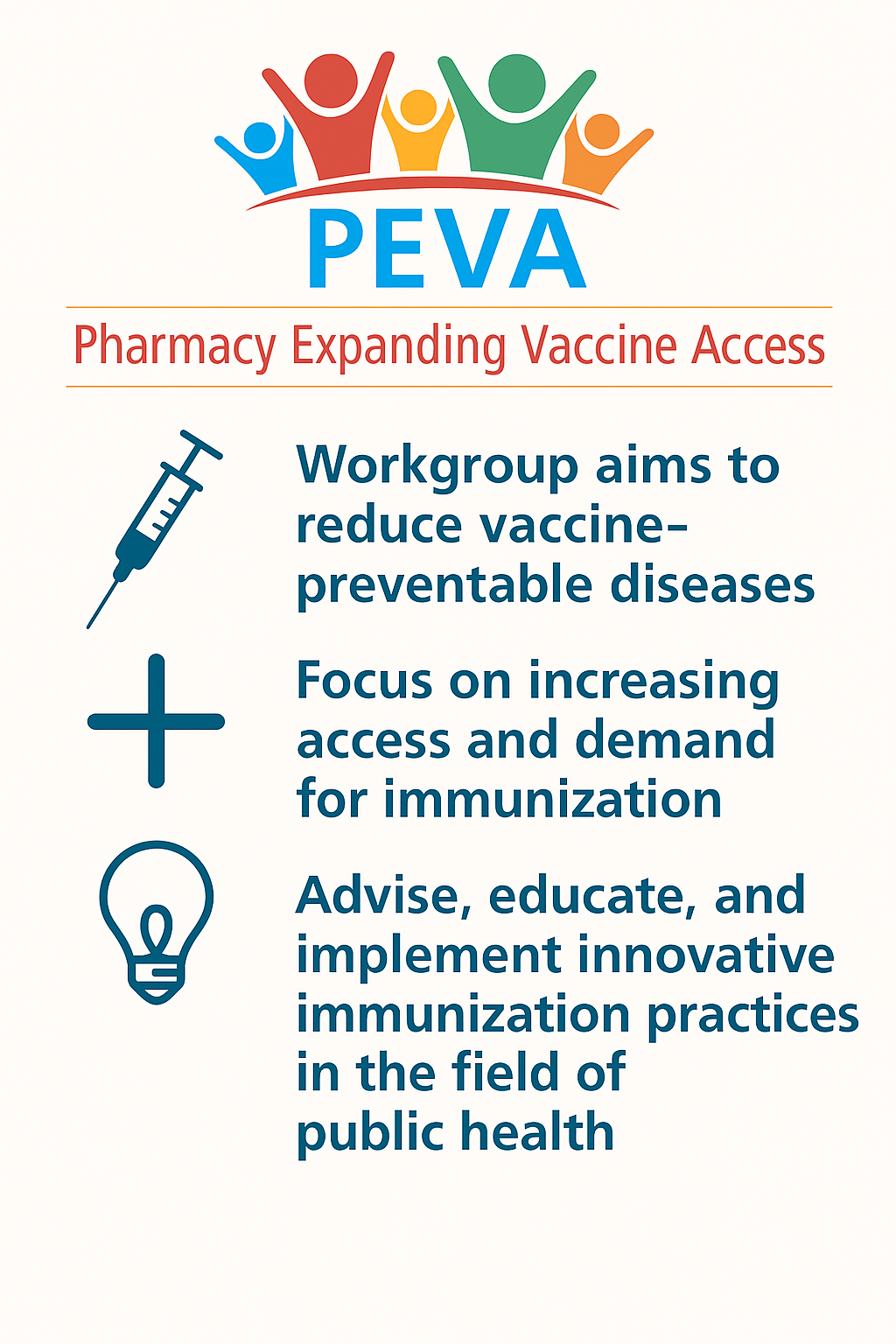
The PEVA workgroup, alongside pharmacists across IHS, leads efforts to reduce vaccine-preventable diseases by expanding access to vaccinations and promoting public education on immunization.
- Workgroup aims to reduce vaccine-preventable diseases
- Focus on increasing access and demand for immunizations
- Advise, educate, and implement innovative immunization practices in the field of public health
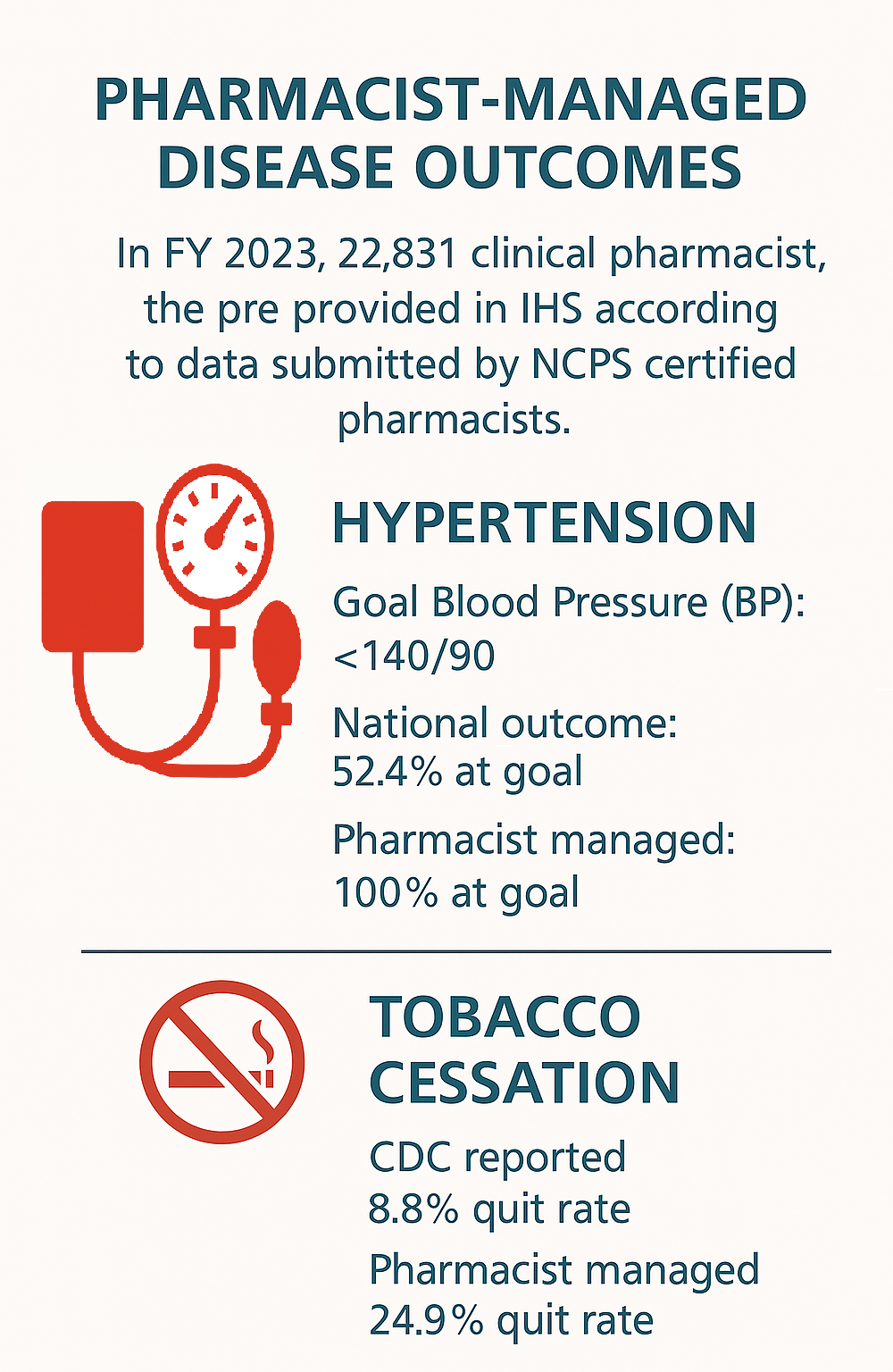
Pharmacist-Managed Disease Outcomes (FY 2023)
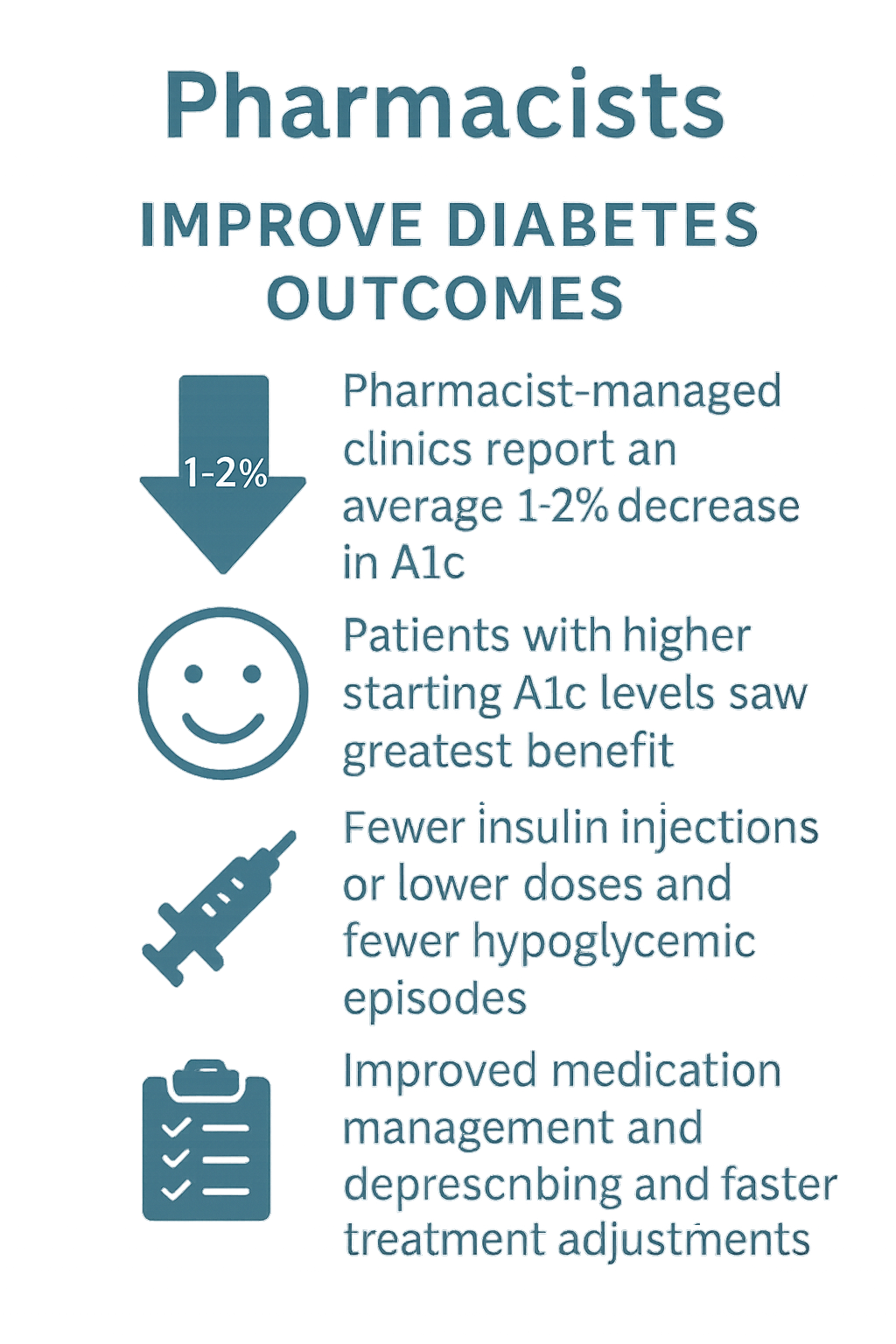
Pharmacist-managed diabetes care leads to significant improvements, including a 1–2% average A1c reduction, fewer insulin-related complications, and more timely medication adjustments.
In FY 2023, 22, 831 clinical pharmacist visits were provided in IHS according to data submitted by NCPS certified pharmacists.
Hypertension
- Goal BP: <140/90
- National outcome: 52.4% at goal
- Pharmacist managed: 100% at goal
Tobacco Cessation
- National outcome: 8.8% quit rate
- Pharmacist managed: 24.9% quit rate at 6 months
Pharmacists Improve Diabetes Outcomes
IHS pharmacists provide direct patient care through clinical visits. In FY 2023, they achieved 100% of patients at goal blood pressure and a 24.9% tobacco quit rate—both significantly exceeding national benchmarks.
- Pharmacist-managed clinics report an average of 1–2% decrease in A1c
- Patients with higher starting A1c levels saw the greatest benefit
- Fewer insulin injections or lower doses, and fewer hypoglycemic episodes
- Improved medication management, deprescribing, and faster treatment adjustments
The National Pharmacy Council Innovations Newsletter:
The National Pharmacy Council Innovations Newsletter carries out an initiative to share innovative pharmacy practices nationally across the Indian Health Service. The newsletter distributes accurate and up to date information written by pharmacy officers to share any new ideas and neat tools developed, pharmacy run clinics, community impact stories, time management ideas, significant officer achievements, personal wellness and others. The newsletter supports the mission of the Indian Health Service and of the Public Health Service by allowing various service units to collaborate innovative practices and ideas to improve the quality of patient care.
The National Clinical Pharmacy Specialist Committee:
The National Clinical Pharmacy Specialist Committee (NCPSC) provides a mechanism to assure that all Clinical Pharmacy Specialists in Federal Pharmacy display a uniform level of competency for pharmacists as primary care providers (PCPs) to allow for privileges including prescriptive authority. Pharmacists working at any public health facility (IHS, ICE, BOP, CG) may apply for certification as a National Clinical Pharmacy Specialist if they meet the qualifications.
National Clinical Pharmacy Specialist Committee Handbook:
Read and download the latest edition of the NCPSC Handbook. [PDF - 555 KB]
