February 16, 2026: IHS Updates for Tribes and Tribal and Urban Indian Organizations
The bi-weekly updateprovides up-to-date information on recent events, meetings, conferences, upcoming deadlines, and recognition of the work being done across the Indian Health Service, other federal agencies, and Indian Country. For more information or questions, please email IHSPublicAffairsStaff@ihs.gov.
IHS Hosts 70th Anniversary Tribal Summit
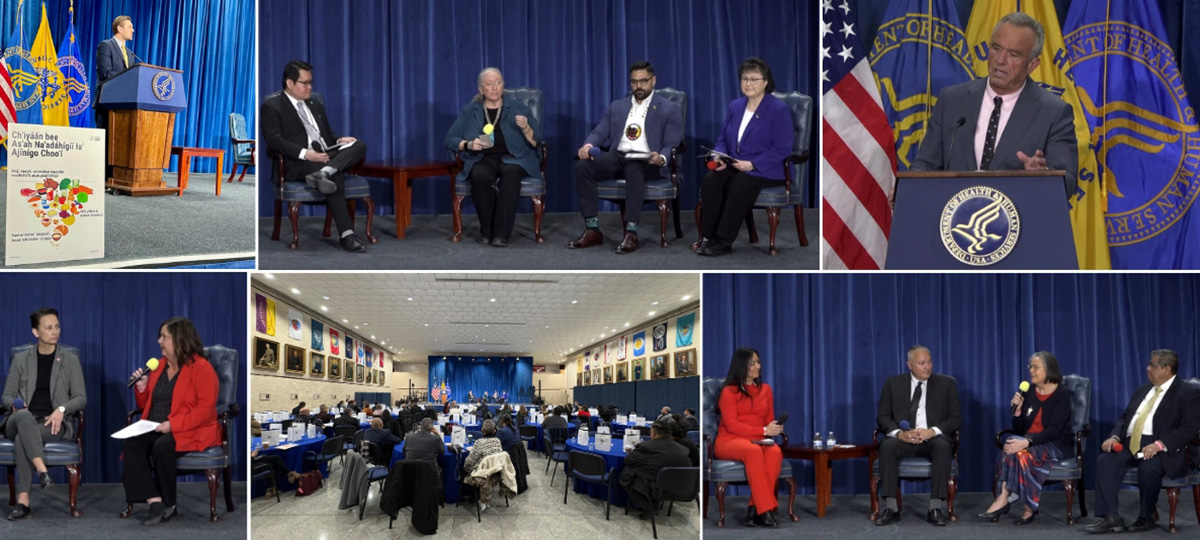
On February 12, the IHS hosted the 70th Anniversary Tribal Summit in Washington, D.C., to honor a legacy of care and reflect on seven decades of progress in fulfilling our sacred trust to advance the health and well-being of American Indians and Alaska Natives. The summit included remarks from IHS leadership and HHS Secretary Robert F. Kennedy, Jr., and discussions on physical, mental, spiritual, and social health with national Indian health experts. Each panel was intentionally structured to reflect the full Indian health system, underscoring the shared responsibility and partnership across IHS, tribal, and urban settings in advancing holistic, culturally grounded care.
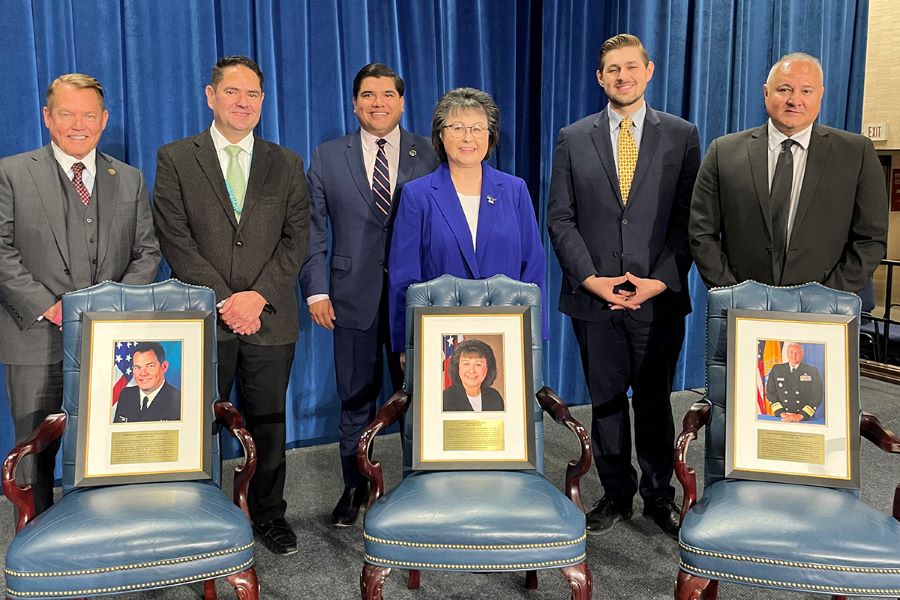
The success of the Indian health system depends on the strong, interwoven relationship between the IHS, tribal governments, and urban Indian organizations. During the summit, we recognized four exceptional partners whose leadership, advocacy, and collaboration make the IHS effective, responsive, and culturally grounded:
- Direct Service Tribes Advisory Committee: DSTAC offers a critical tribal voice in shaping policy and advocating for equitable health services for all tribes, including those that receive direct care from the IHS.
- Tribal Self-Governance Advisory Committee: Through the TSGAC, tribal leaders help shape how self-governance compacts and funding agreements are implemented across Indian Country.
- National Council of Urban Indian Health: NCUIH amplifies the voices of urban Indian organizations, ensures that issues impacting urban American Indian and Alaska Native communities are recognized in policy discussions, and strengthens connections between urban health care providers and policymakers at every level.
- National Indian Health Board: For decades, NIHB has worked with tribal governments, Congress, federal agencies, and national partners to elevate policy conversations and ensure tribal health needs are advanced and honored.
We also recognized three former leaders whose stewardship helped shape the Indian Health Service and strengthen tribal partnerships:
- Dr. Charles Grim, currently serving as secretary of health for the Chickasaw Nation, who has long championed tribal leadership in health policy.
- Dr. Yvette Roubideaux, the first woman to serve as director of the IHS and a visionary in public health and tribal-federal engagement.
- Rear Adm. (Ret) Michael Weahkee, currently serving as deputy director for the Phoenix Area IHS, whose service reflects a deep commitment to tribal health and collaboration.
This milestone marked an important opportunity to reflect on how far IHS has come and to recognize the many partners across government who have worked alongside us to support the health and well-being of tribal communities. Addressing these priorities has always required an all-of-government approach, and this gathering provided a meaningful moment to acknowledge our shared responsibility and continued collaboration. We also look forward with renewed commitment—guided by tribal sovereignty and strengthened by partnership—to building a responsive and enduring health system for tribal communities. We encourage everyone to check out our new video highlighting the 70-year anniversary of the Indian Health Service.
IHS Publishes 2025 Accomplishments Report
In 2025, the Indian Health Service celebrated 70 years of service and partnership with tribal nations and urban Indian organizations. Last year’s progress reflects what collaboration makes possible: stronger infrastructure, expanded services, and sustainable care for the future. The 2025 Accomplishments Report highlights our shared dedication and resilience and reinforces our collective responsibility to strengthen health systems that are responsive to the needs and priorities of tribal nations and urban Indian communities.
As we look ahead, the IHS remains committed to honoring its trust and treaty responsibilities with tribal nations through accountability, innovation, and partnership. The progress reflected in the report is the result of our shared dedication and resilience, and it reinforces our collective responsibility to strengthen health systems that are responsive to the needs and priorities of tribal nations and urban Indian communities. Together, we will continue to build on this foundation to ensure high-quality, culturally responsive care for generations to come.
IHS Extends Comment Submission Deadline for Agency Realignment – Deadline February 27
In response to verbal feedback received during tribal consultations and written comments regarding the timeline for the proposed agency realignment, the IHS extended the comment submission deadline to February 27. After the comment period closes, the IHS will enter into an internal deliberation phase to review all feedback received, prior to moving through internal clearance for implementation. We appreciate all the great feedback received so far through both rounds of tribal consultation and urban confer, and the continued leadership from our tribal and urban partners in advancing the health and well-being of our communities. The IHS remains committed to a process that is transparent, inclusive, and responsive to their input.
Additional information on the proposed realignment can be found here.
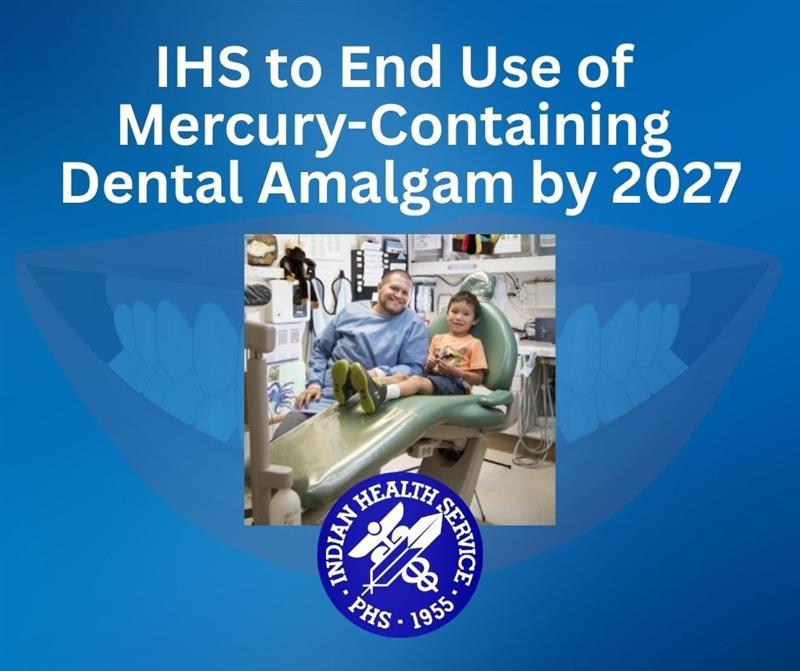
IHS to End Use of Mercury-Containing Dental Amalgam by 2027
The IHS announced it will discontinue the use of dental amalgam, a mercury-containing restorative material historically used in dental programs across IHS facilities, by 2027. Since 2007, IHS has taken steps to reduce the use of dental amalgam, particularly among high-risk populations, including pregnant women and children under six years old. The IHS will update its existing policies to eliminate the use of amalgam for dental restorations and invest in training and clinical infrastructure for composite and alternative restorations. Protecting the health of our patients and the environment remain top priorities for the IHS. Dental amalgam has long served as a cornerstone material in restorative dentistry within IHS programs, valued for its strength, durability, and affordability, particularly for multi-surface restorations in molars and premolars. However, growing environmental and health concerns regarding mercury exposure, along with global efforts to reduce the use of mercury-containing materials, have prompted the agency to assess viable alternatives. Read more in our latest press release.
IHS Leader Testifies During Senate Committee on Indian Affairs Hearing
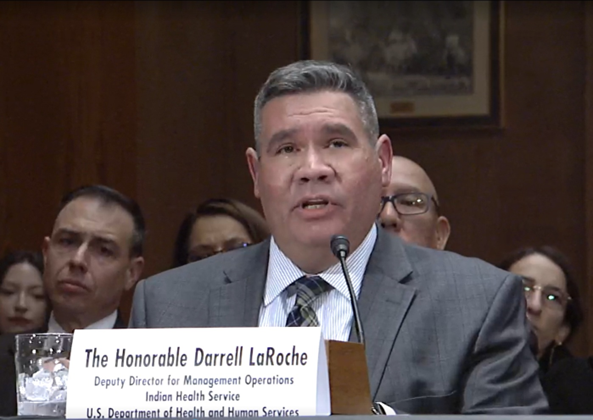
On February 4, Deputy Director for Management Operations Darrell LaRoche testified before the Senate Committee on Indian Affairs on three bills: S. 2098, the Southcentral Foundation Land Transfer Act of 2025; S. 1055, the Indian Health Service Emergency Claims Parity Act; and S. 699, the Purchased and Referred Care Improvement Act of 2025. It provided an opportunity for the agency to share comments on the conveyance of land in Anchorage, Alaska, for health care purposes, while comments on S. 1055 and S. 699 both related to the IHS Purchased/Referred Care Program. To view his testimony, click here, or to read his testimony click here.
Direct Service Tribes Advisory Committee Conducts Quarterly Meeting
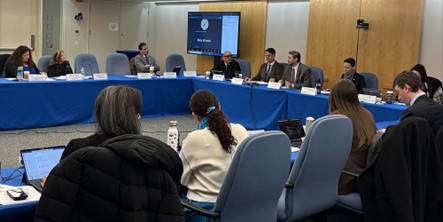
On February 9, the IHS Direct Service Tribes Advisory Committee convened in Washington, D.C., for their 2nd quarter meeting. The meeting focused on how DSTAC can successfully advise the IHS under the proposed agency realignment and strategic planning to identify issues that the committee will focus on to improve health care and government-to-government relationships. DSTAC was established in 2005 andis comprised of elected/appointed tribal leaders from nine IHS Areas with direct service tribes. We extend our appreciation to Oglala Sioux Tribe Vice President Alicia Mousseau, Ph.D., for her leadership, engagement, and collaborative approach in moving this work forward as the DSTAC chair.
FY 2028 National Tribal Budget Formulation Work Session Convened
On February 11, the fiscal year 2028 National Tribal Budget Formulation Work Session was held in Arlington, Virginia. During the hybrid annual meeting, two tribal representatives from each Area come together to discuss, review, and consolidate all the Area's budget recommendations. This is a key process that ensures that tribal priorities are reflected in the IHS budget, and their feedback and insight is crucial in determining where IHS resources can make the most impact. We appreciate the continued collaboration and thank Stephen Kutz, Victor Joseph, and Richard Matens for serving as the co-chairs during the session.
NCAI Holds 2026 Executive Council Winter Session
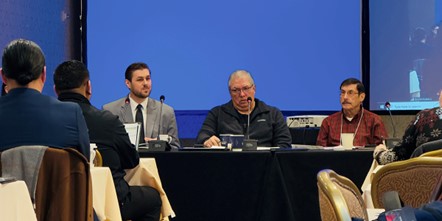
On February 10, Chief of Staff Clayton Fulton provided an IHS update at the National Congress of American Indians’ Executive Council Winter Session in Washington, D.C. This annual meeting presents an opportunity for tribal delegates to hear from members of Congress and the Administration, furthering the government-to-government relationship between tribal nations and the federal government. Fulton’s remarks focused on how the voices and priorities of the tribal leaders and partners gathered at this session continue to guide our work every day at the Indian Health Service, as well as the historic workforce hiring initiative that was announced last month.
IHS Leaderships Hosts Tribal Delegation Meetings
Earlier this month, the IHS held tribal delegation meetings with the Oglala Sioux Tribe and Lumbee Tribe. Tribal delegation meetings are a vital step in the tribal consultation process that allows tribal leaders to meet directly with the Indian Health Service director or representative on a government-to-government basis to discuss tribal issues or concerns.
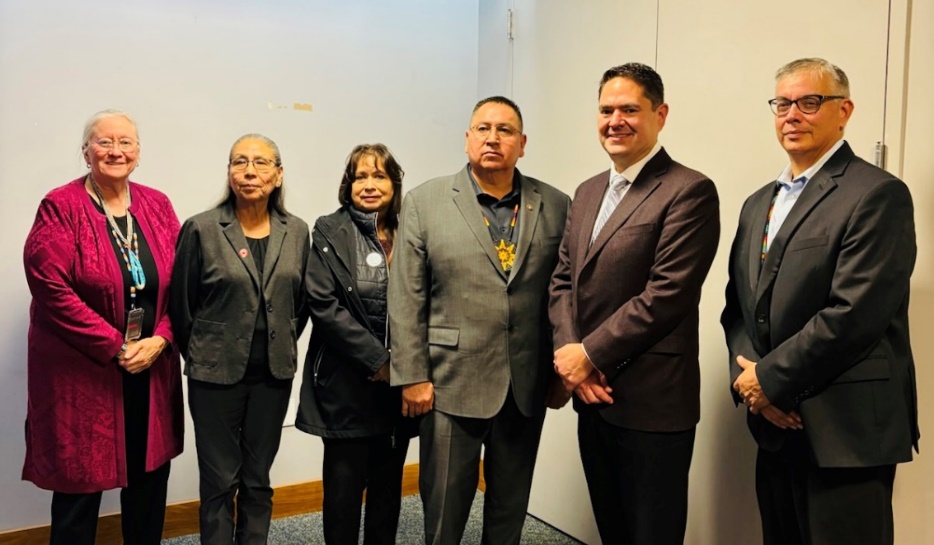
Tribal delegation meeting with the Oglala Sioux Tribe
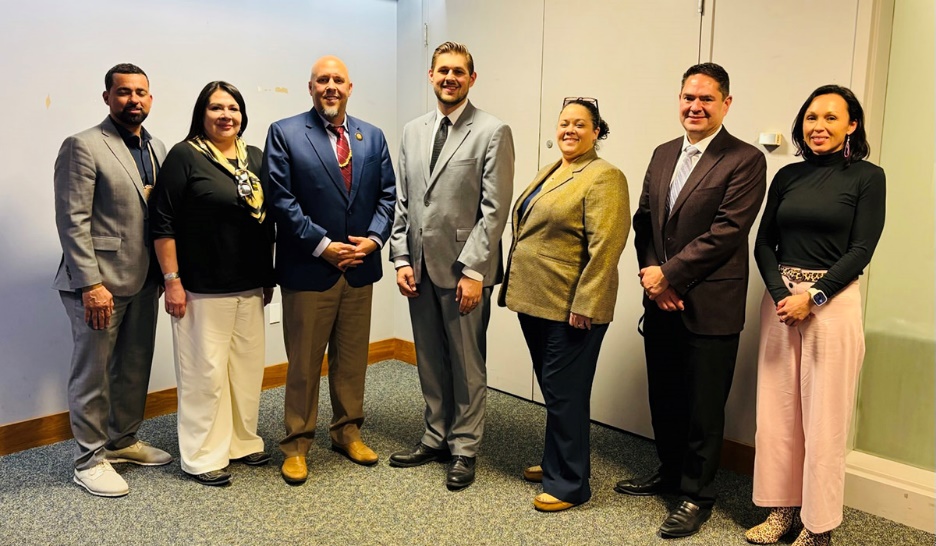
Tribal delegation meeting with the Lumbee Tribe
James Driving Hawk Retires After 28 Years of IHS Service
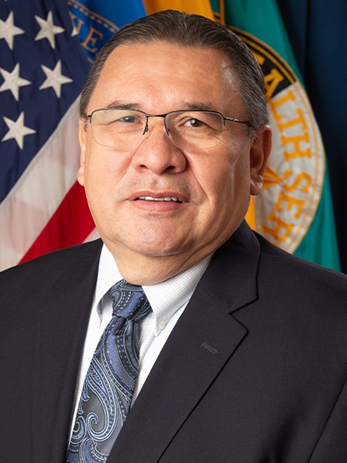
Congratulations to Deputy Director for Field Operations James Driving Hawk on his retirement from the Indian Health Service after 28 years of service. An enrolled member of the Rosebud Sioux Tribe, Driving Hawk brought his deep expertise to a variety of leadership roles across the agency, including Great Plains Area director, Phoenix Indian Medical Center CEO, and Bemidji Area CFO. His efforts contributed to stronger operations, governance, and systems across the IHS, helping to improve care for tribal communities throughout Indian Country.
We wish him rest, good health, and the very best in a well-deserved retirement.
IHS Observes National Wear Red Day on February 6
National Wear Red Day was February 6, a day dedicated to spreading awareness and support for women's cardiovascular health. Women at every age, stage, and season of life need support to take on their number one killer—cardiovascular disease. It is likely that nearly every one of our families has a mother, grandmother, auntie, sister, cousin, or friend who has been affected by cardiovascular disease. In their honor, IHS staff from across the country joined together today to wear red and send a positive message to Native women that their health and wellbeing is a priority of the IHS.
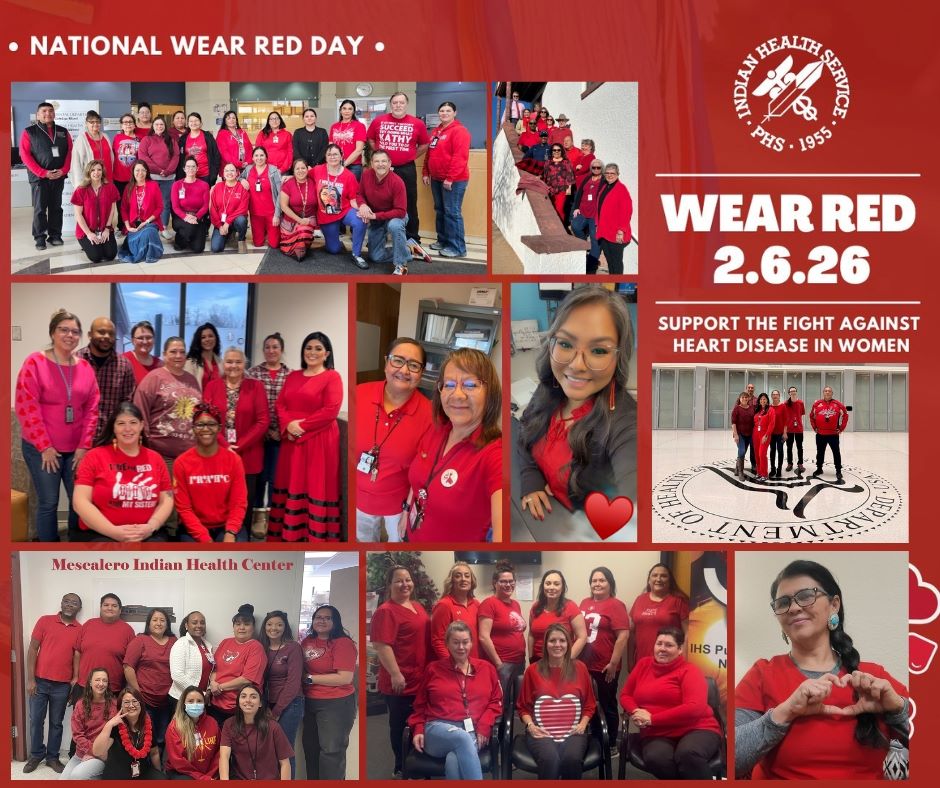
A sample of dozens of photos received from staff across the IHS system in support of National Wear Red Day 2026. To see more, visit the IHS Facebook page
National Pharmacy and Therapeutics Committee Holds Winter 2026 Quarterly Meeting
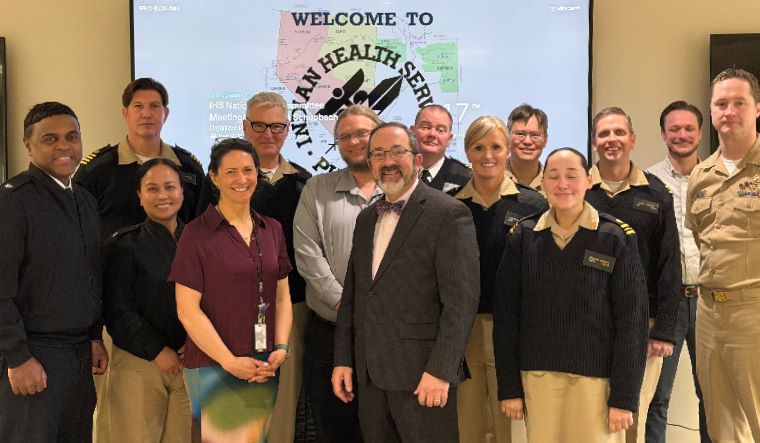
The IHS National Pharmacy and Therapeutics Committee held its Winter 2026 quarterly meeting at the Phoenix Area Office from February 3-4. The NPTC is a standing committee of the IHS that works to promote quality, access, and value in formulary management through maintenance of the IHS National Core Formulary (NCF) and the provision of clinical expertise related to pharmacotherapy and pharmacovigilance. During the meeting, the NPTC reviewed a range of topics related to chronic kidney disease (CKD), including guidelines (screening, diagnosis, and treatment), prevention, management of diabetic and hypertension-related nephropathy, anemia of CKD, bone health in CKD, and pediatric CKD.
Further information from the NPTC, including clinical guidance documents and the IHS National Core Formulary can be accessed on their website. To receive NPTC correspondence and clinical updates, IHS, tribal, and urban staff can also self-enroll to the NPTC Listserv.
Cori Crocker Selected as Environmental Health Specialist of 2025
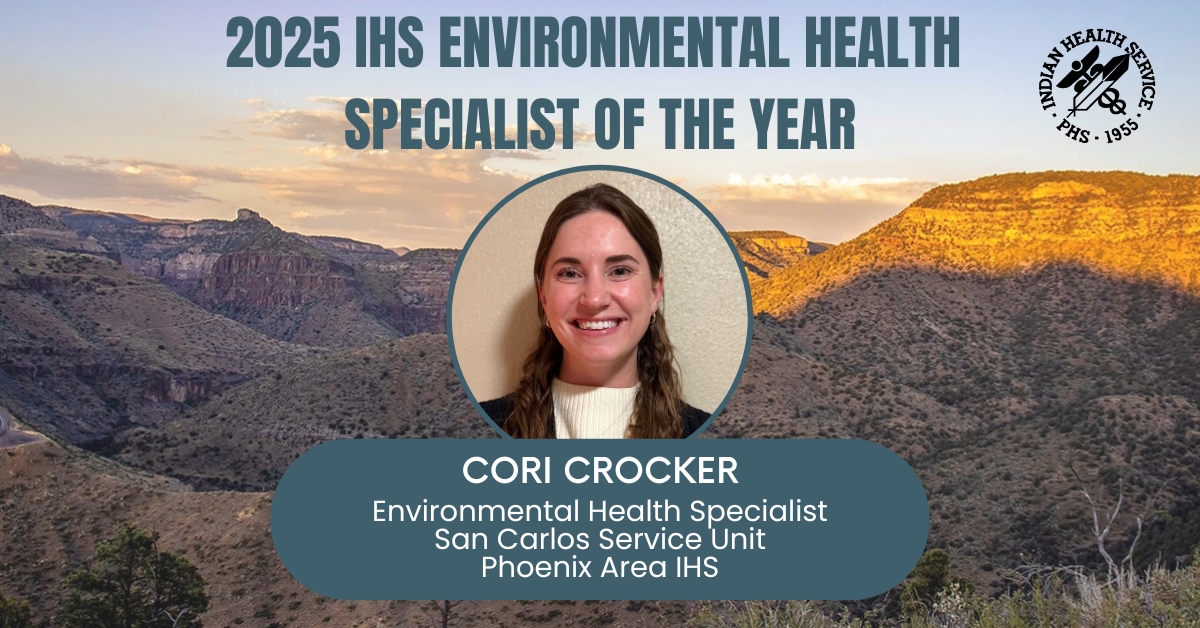
Congratulations to Cori Crocker, environmental health specialist at the San Carlos Service Unit in the Phoenix Area, for being selected as the IHS 2025 Environmental Health Specialist of the Year. The Division of Environmental Health Services has recognized this award since 1993 and it is given to a team member who represents the division with distinction and positively impacts health outcomes for American Indians and Alaska Natives.
Crocker is a highly professional, credentialed, and community-centered practitioner whose accomplishments in food safety, injury prevention, vector control, and environmental health exemplify the highest standards of the IHS. She has demonstrated outstanding leadership, including leading responses to two rabid bobcat exposure incidents and serving as an active member of the IHS Temporary Food Vendor Training Workgroup. Her commitment to food safety education led to a measurable impact, increasing facilities with certified food managers from 29 percent in FY24 to 52 percent in FY25.
Her leadership extends to community-focused injury prevention efforts, including car seat safety, seatbelt observations, and through the current IHS Injury and Violence Prevention Fellowship, elder fall prevention. She also co-founded the San Carlos Injury Prevention Coalition. Read more about her work here.
2026 National Environmental Policy Act Coordinator Conference Convened
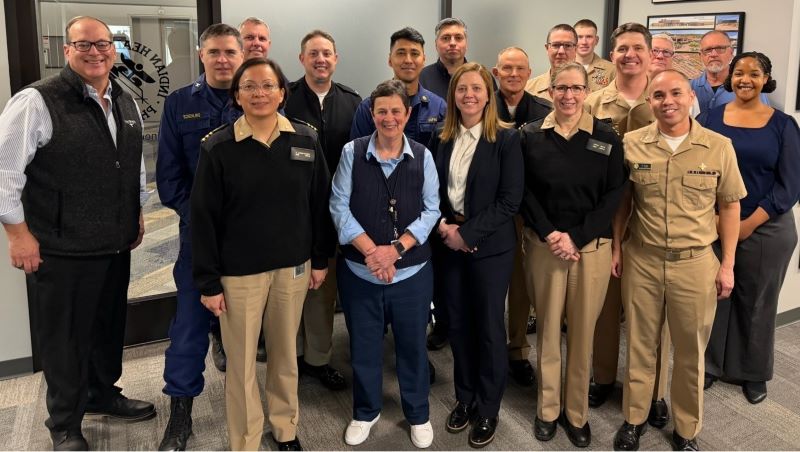
On February 3-4, NEPA coordinators from across the IHS met in Dallas, Texas, for the annual NEPA Coordinator Conference. NEPA coordinators manage compliance with the National Environmental Policy Act (“NEPA”), National Historic Preservation Act, Native American Graves Protection and Repatriation Act, and other environmental laws. The OEHE Division of Engineering Services, Dallas Office, graciously hosted, where coordinators gathered to discuss updates to IHS policies and procedures with the HHS Office of the General Counsel and to learn about important updates in environmental laws.
Loan Repayment Program Award Cycle for Fiscal Year 2026
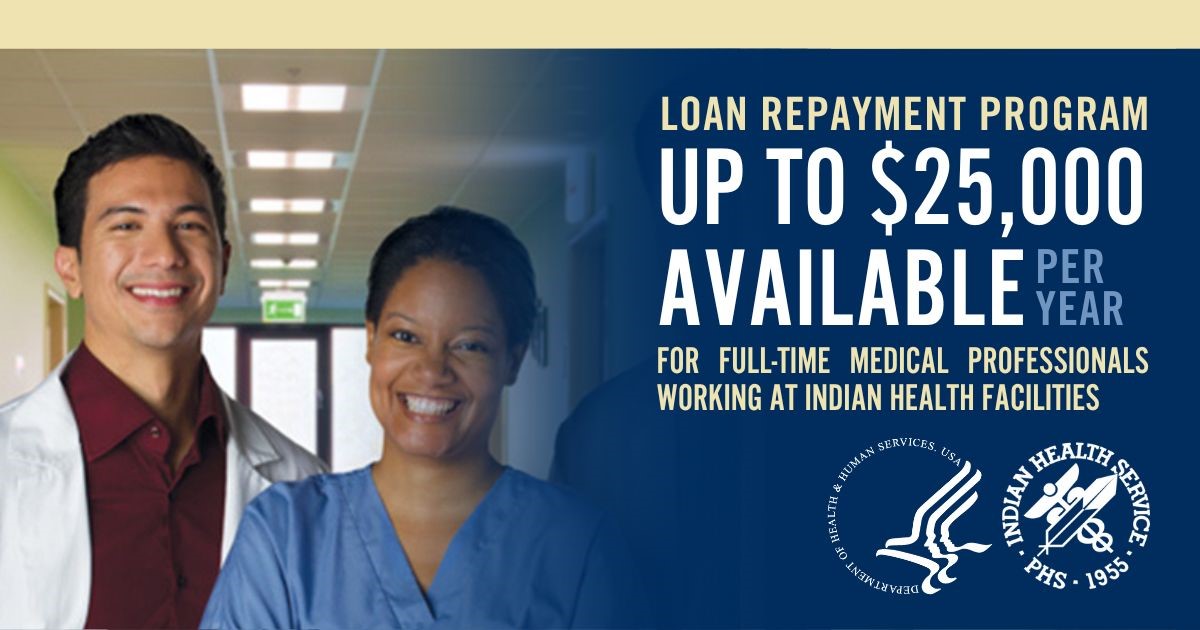
The IHS Loan Repayment Program is making awards on a monthly basis now through August 15, 2026. The LRP offers up to $25,000 per year in student loan repayment for full-time clinical health professionals working at Indian health facilities and helps dedicated health professionals to chart a course for a long-lasting and successful health care career. This is in exchange for an initial two-year service commitment to practice in health facilities serving American Indian and Alaska Native communities. Opportunities are based on Indian health program facilities with the greatest staffing needs in specific health profession disciplines. To apply, please visit the Loan Repayment Program website.
Office of Quality Announces Training for NEW I-STAR Software Platform
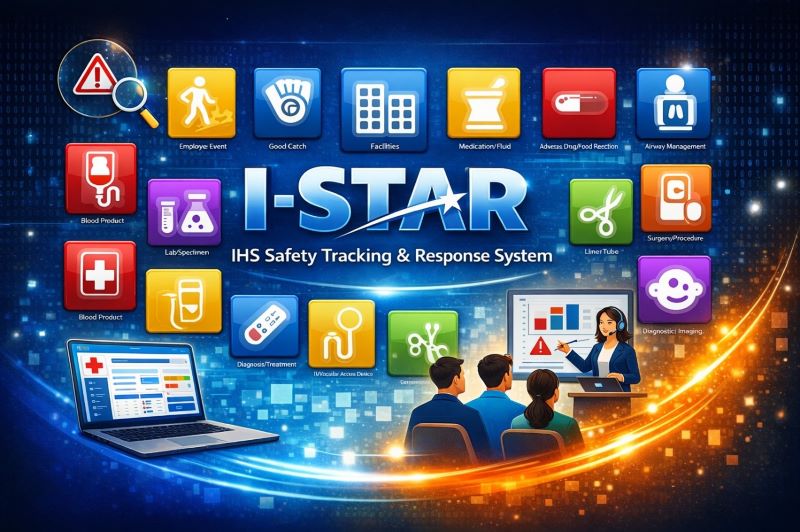
The IHS Safety Tracking & Response (I-STAR) system is a web-based event reporting application built on the RLDatix platform and serves as the single portal for reporting good catches (near misses), as well as patient/visitor, medication, and occupational safety events. The system also provides enhanced analytics and reporting capabilities that support a “Just Culture” approach by encouraging reporting, learning from events, and strengthening safe systems across IHS. As part of the upcoming software upgrade, the I-STAR user interface will change inMarch. The go-live for the new interface is set for March 23.
Throughout February, the Office of Quality will finalize installation of the updated RLDatix platform. In collaboration with RLDatix, OQ will provide training for all IHS staff in March. Training will cover updates relevant to both non-login users (frontline staff) and login users (quality professionals, safety, security, and leadership). All sessions will cover the same content; participants only need to attend one session.
- March 2 from 1:30 – 3:00 p.m. CST| Training link
- March 4 from 1:30 – 3:00 p.m. CST | Training link
- March 5 from 9:30 – 11:00 a.m. CST | Training Link
- March 10 from 8:30 – 10:00 a.m. CST | Training Link
- March 11 from 1:30 – 3:00 p.m. CST | Training Link
- March 12 from 9:30 – 11:00 a.m. CST | Training Link
Thank you to all staff for your continued commitment to patient safety—your reporting, vigilance, and engagement help improve care and reduce risk for patients and staff across IHS.
New Search Site for Medical Student and Resident Rotations
The IHS now has a central location to share available facilities with medical studentsand residents seeking to do a rotation in Indian Country. Interested medical students and residents are now able to search for rotation sites here. Searches can be conducted by specific parameters or by clicking the map to viewavailable rotations at listed facilities. Tribal and urban sites are also encouraged to utilize this service. If your facility is interested in being listed as a hosting site, or if you have additional questions, please email Alaina Kayaani-George.
IHS Scholarship Program Accepting Applications
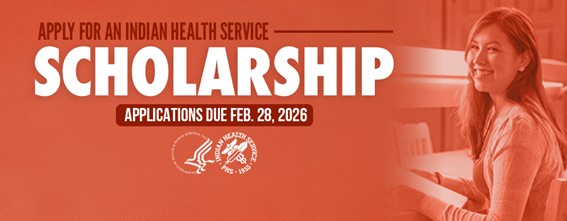
The IHS Scholarship Program is still accepting applications for scholarship support for the 2026–2027 academic year. The IHS strives to develop our next generation of leaders, as well as help make the pursuit of a meaningful career in Indian health attainable for American Indian and Alaska Native students. The list of 2026-2027 Scholarship Program Eligible Degree Programs is available here. Eligible students are encouraged to apply by February 28.
IHS Scholarship Program funding plays a vital role in reducing the financial burden of health professions educational costs for tribal members, while increasing the number of American Indian and Alaska Native health care professionals. These scholarships are essential to expanding access to care and addressing clinical shortages within our communities. Learn more about IHS student opportunities here.
Patient Safety Program and VHA Offer Training Opportunity for IHS Staff
The IHS Patient Safety Program partners with the Veterans Health Administration National Center for Patient Safety to enhance training opportunities for agency staff. Through this collaboration, IHS personnel have access to a range of VHA-administered training modules designed to strengthen patient safety practices across the system. These training courses are an excellent opportunity for professional development and to promote a culture of safety across IHS. For more information and to register, click here. Upcoming virtual training opportunities include:
- “Root Cause Analysis” on April 8 | 6.5 hours ? Register by April 1
- “Proactive Risk Assessment” on April 22 | 6.5 hours | Register by April 15
- “Foundations for Patient Safety Officers” September 1-24 | 32 hours ? Register by August 25
IHS Schedules Clinical and Community Workforce Summit
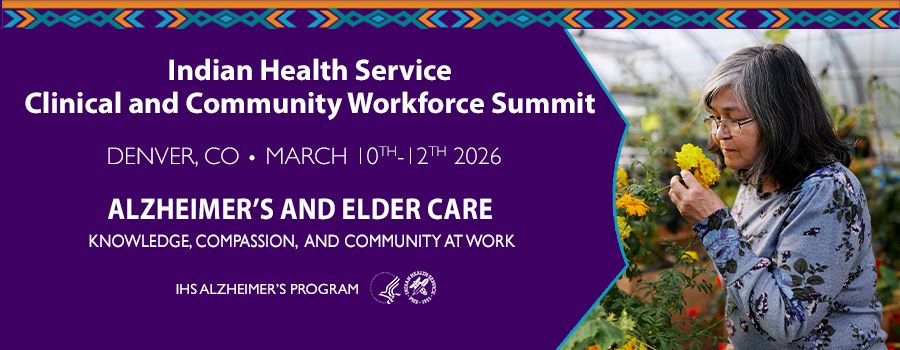
Join IHS clinical and community professionals for the Clinical and Community Workforce Summit from March 10–12 in Denver, Colorado. Hosted by the IHS Alzheimer’s Disease and Dementia Program, this is a focused summit on Alzheimer’s and elder care, centered on knowledge, compassion, and community at work. The event will bring together health care providers, program leaders, and community partners to share best practices, strengthen workforce capacity, and support culturally grounded approaches to elder care across tribal and urban Indian communities. For more information, visit the 2026 IHS Summit Registration website.
Alaska Native Health Board Mega Meeting and Site Visit
Alaska Area leadership traveled to Juneau, Alaska, to attend the Alaska Native Health Board Mega Meeting on February 4. This important gathering provided an invaluable opportunity to engage directly with tribal leaders and partners, fostering meaningful dialogue across federal and tribal perspectives. The collaborative spirit and productive exchanges reinforced the strength of our partnerships, along with our shared commitment to advancing health care for Alaska Native communities.
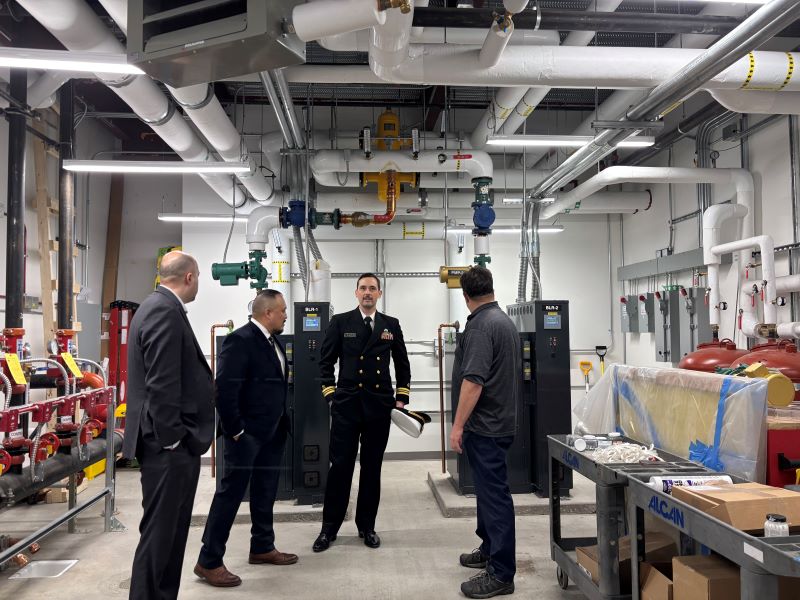
The Alaska Area leadership team also had the privilege of touring one of the SouthEast Alaska Regional Health Consortium’s (SEARHC) state-of-the-art health care facilities. SEARHC’s Vintage Park facility in Juneau, Alaska, showcases innovative design and modern medical technology, which reflects SEARHC's commitment to providing exceptional care to the communities they serve. The visit offered valuable insights into best practices in facility design and care delivery that can educate future initiatives across the Alaska Area.
Albuquerque Area Works with State of New Mexico to Deliver Specialized Training
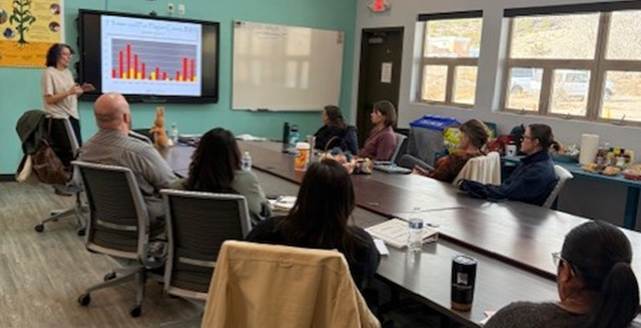
The Albuquerque Area Division of Environmental Health Services (DEHS) recently collaborated in a specialized training conducted by the New Mexico Department of Health (NMDOH). The training included lectures on plague and New World screwworm, followed by a question-and-answer session and roundtable discussion. NMDOH staff also provided a hands-on demonstration of field investigation techniques, giving DEHS staff the opportunity to strengthen practical skills related to zoonotic disease response and investigation. This collaborative training supported continued interagency partnership and enhanced preparedness for public health and environmental health investigations.
Red Lake Hospital Expands Radiology Modality Services
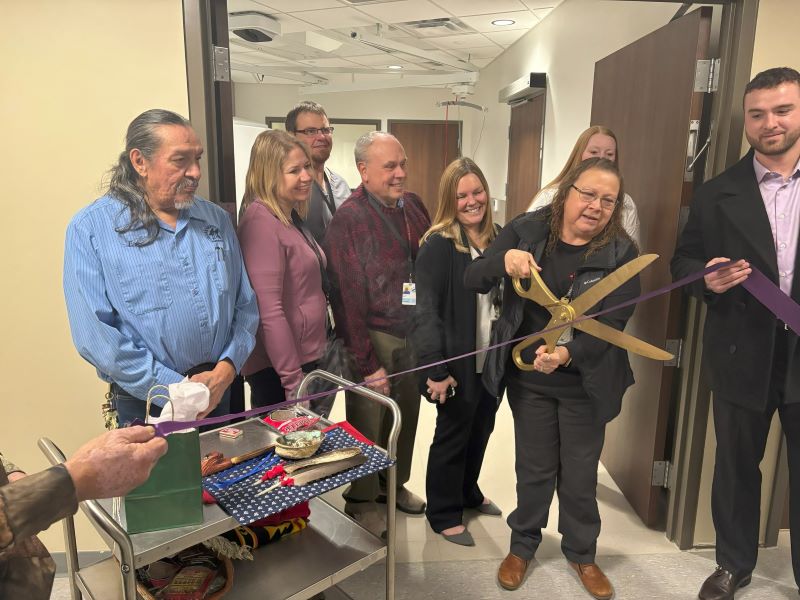
Red Lake Hospital has expanded its radiology modality services with a successful implementation of computed tomography (CT), marking a significant enhancement in diagnostic imaging capabilities for their community. As part of the “go-live” event, GE Healthcare was onsite to provide comprehensive education and hands-on training for radiology and clinical staff, ensuring safe operation, workflow integration, and confidence in image acquisition and quality from day one. Our team is excited to be a part of improvement of health care services. The addition of CT imaging brings substantial patient care benefits, including faster and more accurate diagnosis of acute conditions such as stroke, trauma, abdominal pain, and pulmonary pathology. CT reduces the need for patient transfers to outside facilities, minimizing delays in care, lowering costs, and keeping patients closer to home and family. Overall, this expanded service strengthens Red Lake Hospital’s ability to deliver timely, high-quality care and improves clinical decision-making across emergency, inpatient, and outpatient settings.
Federal, Tribal and Urban Indian Organization Staff Attend Dental Safety Bootcamp
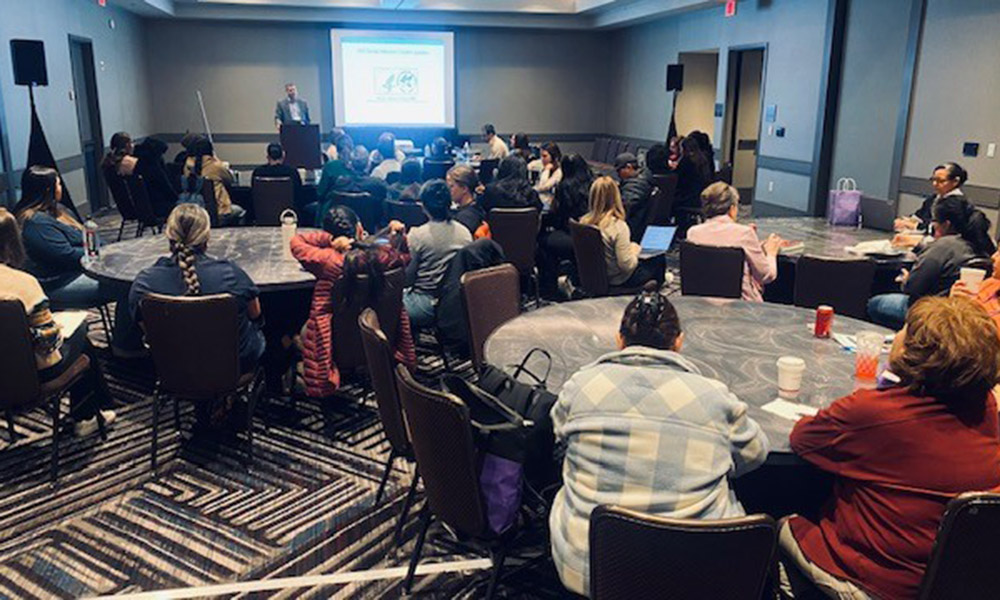
Approximately 70 IHS, tribal, and urban Indian organization staff attended the 2026 Association of Dental Safety Bootcamp in Atlanta, Georgia, during the first week of February. Participants from dental and medical, quality, infection prevention, control, and safety teams received hands-on training aligned with CDC recommendations, OSHA standards, and other evidence-based best practices. The bootcamp provided an opportunity for staff to collaborate, strengthen infection prevention and safety practices, and enhance readiness to meet accreditation expectations across the Indian health system.
IHS Blogs
Subscribe to the IHS blog by providing your name and email address in the “Stay Connected” box.
Social Media
Follow IHS on X, Facebook and LinkedIn to see more of what the IHS is doing in your community and around the country. You can also follow the IHS Director on Facebook and X.