April 13, 2026: IHS Updates for Tribes and Tribal and Urban Indian Organizations
The bi-weekly update provides up-to-date information on recent events, meetings, conferences, upcoming deadlines, and recognition of the work being done across the Indian Health Service, other federal agencies, and Indian Country. For more information or questions, please email IHSPublicAffairsStaff@ihs.gov.
2026 Tribal Self-Governance Conference
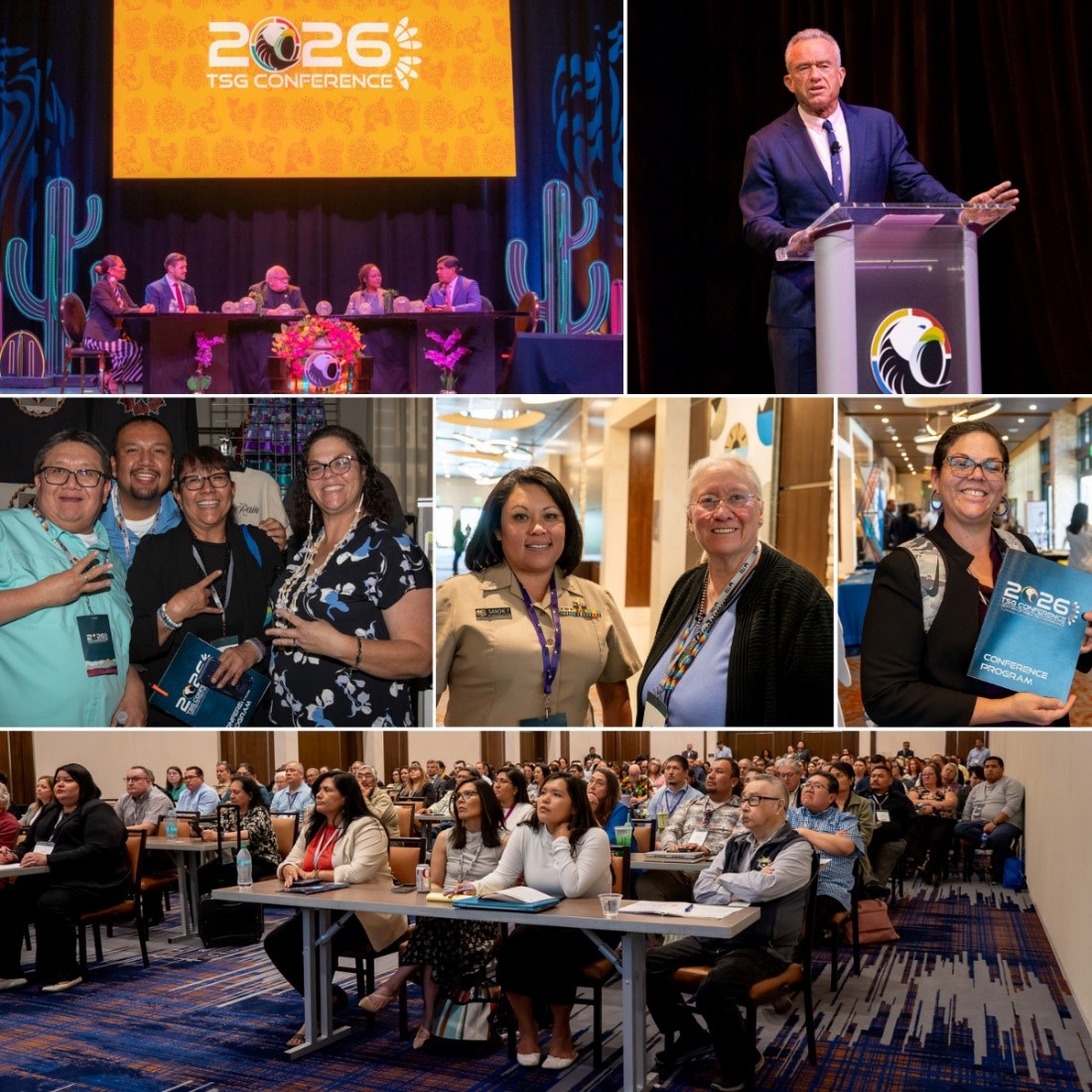
Last week, IHS staff attended the 2026 Tribal Self-Governance Conference in Chandler, Arizona. The annual event brings together hundreds of Tribal leaders, federal leaders, Tribal and federal staff, and partners to support Tribal sovereignty and self-governance across Indian Country. A highlight of the conference occurred on Wednesday when Chief of Staff Clayton Fulton, along with Director of Strategic Initiatives Dr. Kim Hartwig and Senior Advisor to the HHS Secretary Mark Cruz, participated in a panel discussion focused on new opportunities for federal-Tribal partnerships. Later in the morning, Secretary Robert F. Kennedy, Jr., addressed the delegates. Among other things, Secretary Kennedy discussed how IHS is addressing staffing through its recent hiring surge, the ongoing success of the IHS Produce Prescription Pilot Program (P4), and his vision for completing the 1993 Health Care Facilities Construction Priority List.
The conference was also an opportunity for IHS leaders and staff to host a number of Tribal delegation meetings, including with the Ak-Chin Indian Community, the Oneida Nation, the Oklahoma Self-Governance Coalition, and the Swinomish Indian Community Senate. Throughout the series of meetings, Tribal representatives expressed their appreciation to the IHS for its collaborative approach to honor Tribal sovereignty and identifying solutions to help them succeed. The IHS thanks its Tribal partners for taking time to sit with agency staff to share their challenges and successes as we continue working together to provide the highest level of health care to our communities.
Before the conference, the leadership team visited the Phoenix Area Office and the Phoenix Indian Medical Center. Phoenix Area and PIMC leadership shared insights into their respective areas, offering updates on operations, initiatives, and ongoing efforts to improve patient care and services. The team also visited the Ak-Chin Indian Community in Maricopa. Last year, the Tribe was selected as one of seven recipients for new or expanded health care facilities through the IHS Joint Venture Construction Program. IHS representatives had the opportunity to see the area where the new 60,000-square foot health care facility will be constructed to serve patients from throughout the area. The project is expected to be completed by 2027. In the interim, patients are seen at a small clinic on the reservation that is operated by PIMC. The Tribe is also in the process of constructing a 16,000 square-foot mixed-use facility for health care, which includes a dialysis center and office space for future expansion.
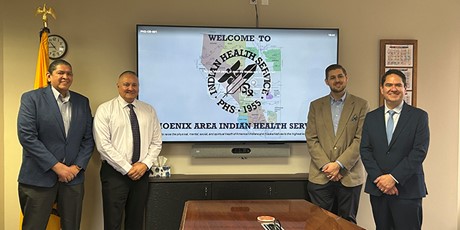
OMS Director Santiago Almaraz, Phoenix Area Deputy Director Michael Weahkee, Chief of Staff Clayton Fulton, and Deputy Director Ben Smith at the Phoenix Area Office
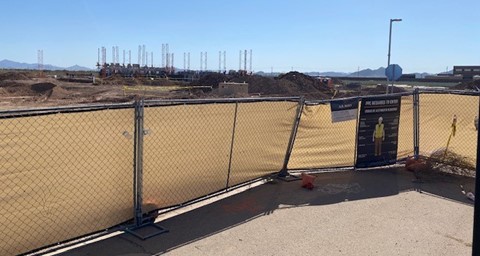
Area where the new 60,000-square foot Ak Chin Indian Community health care facility will be built
IHS Observes National Public Health Week
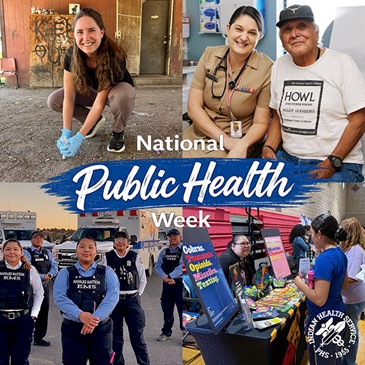
During National Public Health Week, we honor the dedicated individuals across the Indian health system who show up each day with a deep commitment to the health and well-being of our Tribal communities. Much of your work happens behind the scenes, yet its impact is felt in countless ways. Public health is more than a profession, it’s a shared responsibility grounded in prevention, education, advocacy, and a One Health approach that recognizes the connection between people, animals, and the environment—helping to build healthier futures for generations to come. From addressing urgent health needs to promoting wellness and expanding access to care, your efforts strengthen communities every day. Thank you for your continued dedication to this vital work.
Lt. Cmdr. Michael Hiles Named Recipient of Gary J. Gefroh Safety and Health Award of 2025
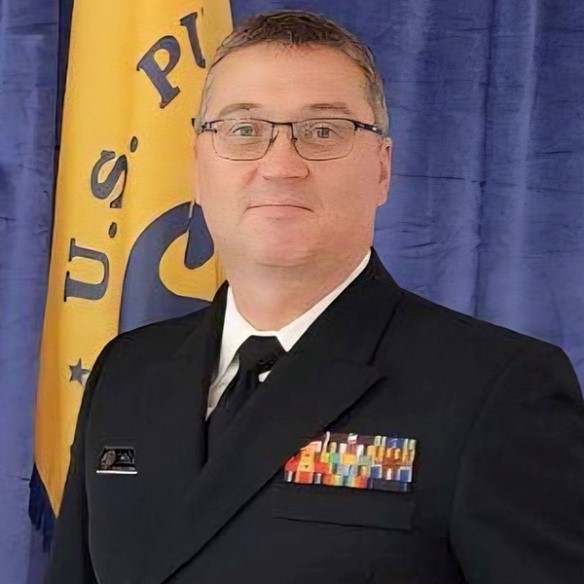
Congratulations to Lt. Cmdr. Michael Hiles on being selected as the recipient of the Gary J. Gefroh Safety and Health Award of 2025. Hiles is an environmental health officer and the acting director for the Division of Environmental Health Services with the Nashville Area Office of Environmental Health and Engineering. The Gary J. Gefroh award recognizes significant contributions by an individual or group resulting in improved health care safety and/or infection control conditions at an IHS and/or Tribal health care program. An example of his distinguished accomplishments includes his advocacy, technical expertise, and contributions with revising OEHE’s 2025 Architect / Engineer Design Guide to include Patient Handling and Mobility Assessments (PHAMA’s).
Hiles joined the OEHE Health Facilities Advisory Committee in 2022 as the sole environmental health representative and contributed to the committee’s requirements for IHS health care facility planning and construction. He researched and presented occupational injury data, safe patient handling and mobility national standards, as well as best practices related to health care accreditation requirements, patient/employee safety, and hospital operations. To fulfill the requirements of PHAMAs, he joined the OEHE A/E Design Guide Workgroup and contributed to PHAMA’s inclusion in the A/E Design Guide’s 2025 update. By requiring PHAMA’s in the early design phases, it prevents any delay of critical patient care and services, avoids operational disruptions, and eliminates the need for expensive post-construction retrofitting and hazardous construction conditions. Please join us in congratulating Lt. Cmdr. Hiles on this well-deserved and distinguished award!
National Pharmacy Council 2026 Monthly Spotlight – Quarter 2
The first of three National Pharmacy Council Monthly Spotlights for Quarter 2 is the Phoenix Indian Medical Center Pharmacy Immunization Clinic. The clinic successfully adopted Bar Code Medication Administration (BCMA) to improve vaccine safety, accuracy, and workflow efficiency. Through effective interdisciplinary collaboration, the team integrated barcode scanning into immunization procedures, enhancing real-time verification and documentation of lot numbers and expiration dates. This effort minimized manual entry errors, supported technician-administered vaccinations, strengthened vaccine accountability, and increased patient safety during busy clinics. By leading training sessions and redesigning workflows, the team showed innovation and dedication to advancing IHS pharmacy practice and quality care.
Stay tuned for the next two spotlights!
Urban Confer Recap: PATH EHR Activities Update
The IHS Health Information Technology Modernization Program continues to prioritize engagement and alignment with Tribal and urban Indian organizations through Tribal consultation and urban confer sessions. During the session on March 5, participants received an update on PATH EHR activities. To read the full March session recap, check out this month’s blog here.
Patient Safety Program and VHA Offer Training Opportunities for IHS Staff
The IHS Patient Safety Program partners with the Veterans Health Administration National Center for Patient Safety to enhance training opportunities for agency staff. Through this collaboration, IHS personnel have access to a range of VHA-administered training modules designed to strengthen patient safety practices across the Indian health system. Upcoming virtual training opportunities include:
- “Proactive Risk Assessment” on April 22| 6.5 hours | Register by April 15
- “Root Cause Analysis” on July 8 | 6.5 hours | Register by July 1
- “Foundations for Patient Safety Officers” on September 1-24 | 32 hours | Register by August 25
These training courses are an excellent opportunity for professional development and to promote a culture of safety across IHS. For more information and to register, click here.
New: IHS Patient Safety Competency Model
We are pleased to announce the release of the IHS Patient Safety Competency Model, a new resource designed to support and strengthen the role of patient safety officers across the Indian Health Service. This model provides a standardized framework that defines the knowledge, skills, and behaviors essential for effective patient safety practice and leadership. Aligned with the Total System Safety (TSS) Strategy, it is designed to strengthen safety culture, drive continuous improvement, and reduce preventable harm across the system. Organized around three core capability areas—Safety Culture, Continuous Process Improvement, and Leadership—the model supports professional growth from novice to expert practice. It serves as a career roadmap and a practical tool to promote consistent, high-quality patient safety programs across IHS. View the full competency model and begin your self-assessment and development planning today.
National Tribal Advisory Committee on Behavioral Health
On March 30, IHS Chief of Staff Clayton Fulton provided welcome remarks at the National Tribal Advisory Committee (NTAC) on Behavioral Health’s first quarterly meeting of 2026. NTAC and the IHS, along with Division of Behavioral Health, shared significant updates and engaged in meaningful discussions on mental and behavioral health. In his remarks, Fulton announced that Congress has allocated an additional $4 million for behavioral health initiatives in the final fiscal year 2026 budget, including $2 million for new pilot programs.
NTAC was invited to provide strategic feedback on how these funds are best applied to advance behavioral health and ensure equitable outcomes for all Tribes. Presentations were delivered by Shirl Eastep from Office of Human Resources, who provided an overview of the IHS 2026 hiring initiative; Garrett Linkford from the National Indian Health Board, who provided legislative updates; and Lisa Griggs from Northwest Portland Area Indian Health Board, who presented on behavioral health aides in the Portland region. NTAC members expressed their gratitude to the agency for collaborating on the meeting. This teamwork underscores the ongoing commitment by NTAC and IHS to improving behavioral health outcomes and supporting the well-being of Native communities.
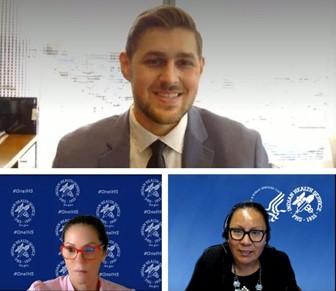
(Clockwise, from top) Presenters at the virtual meeting included Chief of Staff Clayton Fulton, Division of Behavioral Health Director Dr. Glorinda Segay, and Office of Human Resources Deputy Director Shirl Eastep
Expansion of CHAP in the Lower 48: Progress in Motion
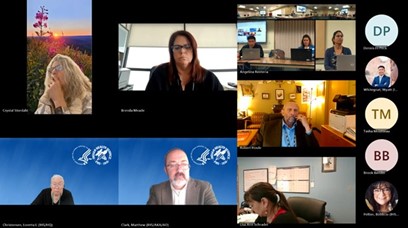
The National Community Health Aide Program Board (NCHAPB) met this week to expand the Community Health Aide Program in the lower 48 states. The Board continued efforts to formalize the NCHAPB bylaws and national standards and procedures. This work is valuable for ensuring a consistent process toward ensuring high-quality, accessible care is made available for Tribal communities. The NCHAPB remains committed to strengthening the standards and processes through ongoing partnership and collaboration with stakeholders at various levels. The next meeting is scheduled for May 2026.
IHS Chief Medical Officer Announces National Chronic Kidney Disease Initiative
Indian Health Service Chief Medical Officer Dr. Loretta Christensen announced the agency’s newest National Clinical Strategic (CKD) Initiative to mitigate the impacts of Chronic Kidney Disease in Indian Country. Kidney Disease is among the top 10 leading causes of death in the U.S. and represents a major health disparity resulting in significant morbidity and mortality among American Indian and Alaska Native (AI/AN) people.
IHS advocates a comprehensive strategy to reduce CKD-related morbidity and mortality among AI/AN people. As part of this new initiative, IHS will support federal, Tribal, and urban Indian organization programs as they develop and implement strategies to ensure recognition of risk factors and implementation of guideline-based prevention, screening, diagnosis, and treatment of chronic kidney disease and important associated conditions, including diabetes and hypertension.
In addition, the IHS National Pharmacy and Therapeutics Committee is actively seeking Chronic Kidney Disease Model Pilots in Tribal communities served by federal direct care, Tribal, and urban Indian organization programs as part of the CKD National Clinical Strategic Initiative. This will support the development, implementation, and cross-agency sharing of best practices for kidney care within the IHS service population.

Investment from Minority HIV/AIDS Fund Demonstrates Real-World Impact
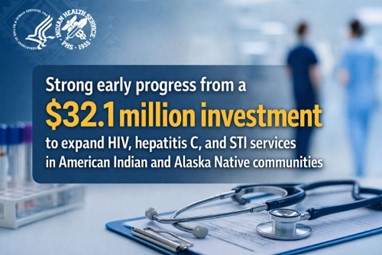
Last year's $32.1 million investment from the Minority HIV/AIDS Fund to expand HIV, hepatitis C, and sexually transmitted infection services is showing real-world impact in American Indian and Alaska Native communities.
In Alaska, at-home testing expanded to include HIV, hepatitis C, and syphilis, reaching individuals who may not access clinic-based services. In rural California, a nurse-led mobile clinic delivered rapid HIV, hepatitis C, and STI testing directly to communities, with patients noting that mobile services feel more accessible than clinics. In northern Minnesota, a pharmacy-led maternal testing program produced a 16-fold increase in patient engagement and diagnosed seven times more infections, enabling faster treatment. Read more.
IHS Achieves Significant Milestone in Standardizing Position Descriptions
The Office of Human Resources, Division of Classification, is proud to announce the completion of a landmark workforce initiative—the development of 63 sets of standardized position descriptions (PDs), encompassing more than 570 individual PDs across IHS regions and occupational series, with additional sets underway. This achievement reflects both the scale of effort and the complexity of aligning roles into consistent, agency-wide standards. These standardized PDs serve as a cornerstone of efficient, compliant, and equitable federal hiring, enabling hiring managers to accelerate recruitment timelines and improve classification consistency across the IHS.
The Division of Classification extends its thanks to the hiring managers and extended OHR community whose collaboration made this achievement possible. The standard PD library can be found here on the OHR Hub (IHS network access required). For classification support or more information, contact the OHR Division of Classification.
Agency to Participate in Annual Buy Indian Industry Day Event
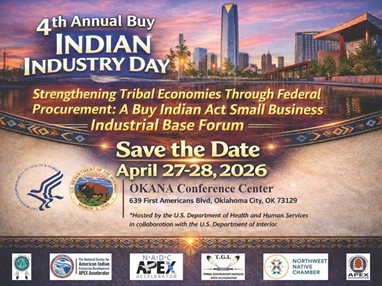
The U.S. Department of Health and Human Services and U.S. Department of the Interior are hosting the 4th Annual Buy Indian Industry Day from April 27-28 to connect Indian-owned and controlled businesses with federal contracting opportunities. The Buy Indian Act strengthens Tribal sovereignty and supports economic self-determination across Indian Country. Industry Day will provide:
- Insight into upcoming IHS contracting opportunities
- Guidance on eligibility and participation under the Buy Indian Act
- Direct engagement with IHS and BIA acquisition professionals
- Resources to help businesses navigate federal procurement processes
- Strengthening participation in Buy Indian contracting is more than a procurement strategy—it is an investment in Tribal communities.
Join us in Oklahoma City to learn about upcoming opportunities and how to do business with IHS and BIA: https://mbmgo.com/event/hhsbuyindianindustry
IHS Recognizes Oral Cancer Awareness Month
April is Oral Cancer Awareness Month; an opportunity to strengthen prevention, early detection, and patient education efforts. Oral and oropharyngeal cancers affect nearly 60,000 people each year in the U.S., with significantly higher survival rates when detected early. Key risk factors include tobacco and alcohol use, HPV infection, and sun exposure, with warning signs that include non-healing sores, red or white patches, lumps, or persistent throat or ear pain requiring prompt evaluation.
Incorporating oral cancer exams into regular dental visits, promoting awareness of risk factors and early signs, and supporting human papillomavirus (HPV) vaccination efforts are essential steps in prevention. By working together—across dental, medical, and public health teams—we can improve early detection, reduce disparities, and help save lives in American Indian and Alaska Native communities.

2026 American Pharmacists Association Annual Meeting & Exposition
On March 27–29, staff members from Headquarters' Office of Human Resources, recruited at the American Pharmacists Association Annual Meeting & Exposition in Los Angeles, Calif. The event attracted a sizeable showing of pharmacists, residents, and students from across the U.S. The attendees expressed a strong interest in IHS career opportunities, residencies, clinical rotations, and the Loan Repayment Program.

Recruitment and Outreach Program Coordinators Justin McHorse and Meredith Hunt
OCPS to Host National Combined Councils: September 9–10
The IHS Office of Clinical and Preventive Services will host the 2026 National Combined Councils meeting on September 9–10. Members of the National Combined Councils and IHS, Tribal, and urban personnel are invited to participate to engage in thought-provoking, innovative, cross-council discussions about current issues in Indian health.
Attendees will generate innovative strategies to improve patient outcomes and address health disparities, design quality and safety initiatives through collaborative recommendations with senior leadership, and support adequately trained, competent health care teams to ensure the safest quality care. For questions, please contact HQOCPSNCCPlanning@ihs.gov or call (240) 504-1085.
- National Combined Councils Meeting on September 9 from 1:00 to 4:30 p.m. ET | Register here
- National Combined Councils Meeting on September 10 from 1:00 to 4:30 p.m. ET | Register here
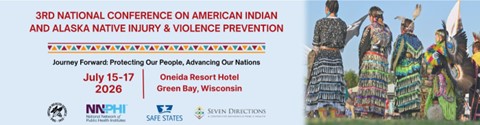
National Conference on AI/AN Injury and Prevention: July 15-17
The 3rd National Conference on American Indian and Alaska Native Injury and Violence Prevention will be held in Green Bay, Wis., from July 15–17. Hosted in collaboration with national and Tribal organizations, the event is committed to advancing injury and violence prevention in Native communities.
This conference brings together Tribal, urban Indian, federal, state, and community representatives to strengthen injury and violence prevention efforts through the sharing of practical strategies, promising practices, and lessons learned. It provides a dedicated space for connection, learning, and collaboration grounded in Tribal perspectives and community experience. Register here.
Indian Self-Determination and Education Assistance Act Monthly Trainings
The Office of Indian Self-Determination and Self-Governance is continuing to lead monthly ISDEAA trainings sessions. Every training session is open to all IHS employees, regardless of role, program area, or duty station, and is designed to build a shared understanding of ISDEAA across the IHS. Please register and join us for an upcoming session using the links below. Additional information is available on the ISDEAA Resource Center.
- “Contract Health Representatives Headquarters Funding” on April 16 at 2:00 p.m. ET | Register here
- “General Contract Law” on April 30 at 2:00 p.m. ET | Register here
Office of Quality Hosts Monthly Process Improvement Office Hours—First Session April 22
The Division of Innovation and Improvement in the IHS Office of Quality hosts monthly Quality and Process Improvement Office Hours for all IHS staff. These sessions are an opportunity to learn transformative methodologies like Lean Six Sigma and the Model for Improvement. Participants will gain skills to spark innovation, streamline processes, and elevate the value of services delivered to IHS patients. The first session will be held on April 22 at 2:00 p.m. ET. Join the Microsoft Teams meeting here.
IHS Partners with CDC to Strengthen Water-Focused Infection Prevention Practices
The IHS Office of Quality invites you to attend two water-focused special office hours sessions, brought to IHS through collaboration with our CDC partners. The sessions are open to all staff, and the target audience includes infection preventionists/infection control officers, safety officers, facilities, engineering, biomedical engineering, quality professionals, patient safety officers, unit and department staff, sterile processing staff, and leadership.
- “From Construction to Tap: Understanding Water Management for Construction, WICRA, and ICAR Assessments” on May 12 at 2:00 p.m. ET | Register
Telebehavioral Health Center of Excellence Webinar Series
The Telebehavioral Health Center of Excellence Tele-Education Program is hosting the following webinar in March for health care providers:
- TBHCE Webinar Series: "Supporting Motivation to Change: Motivational Interviewing Part 2” on April 14 at 12:00 p.m. ET | Register here.
- TBHCE Webinar Series: “Screening, Brief Intervention and Referral to Treatment (SBIRT): Identifying and Recognizing Physical and Behavioral Health Care Challenges” on April 21 at 12:00 p.m. ET | Register here.
IHS Blogs
Subscribe to the IHS blog by providing your name and email address in the “Stay Connected” box.
- Forensic Health Care Providers Working Diligently to Lessen the Impact of Violent Crimes Across Indian Country
- March Tribal Consultation and Urban Confer Recap: PATH HER Activities Update
Social Media
Follow IHS on X, Facebook and LinkedIn to see more of what the IHS is doing in your community and around the country. You can also follow the IHS Director on Facebook and X.
