April 27, 2026: IHS Updates for Tribes and Tribal and Urban Indian Organizations
The bi-weekly update provides up-to-date information on recent events, meetings, conferences, upcoming deadlines, and recognition of the work being done across the Indian Health Service, other federal agencies, and Indian Country. For more information or questions, please email IHSPublicAffairsStaff@ihs.gov.
HHS Annual Tribal Budget Consultation
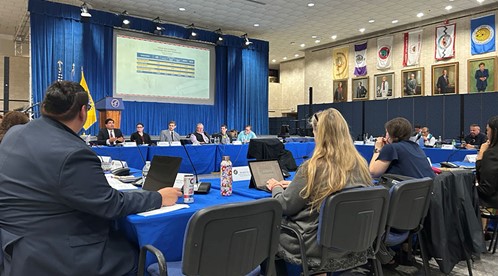
In April, Indian Health Service leaders participated in the U.S. Department of Health and Human Services Annual Tribal Budget Consultation in Washington, D.C., where Tribal leaders shared budget priorities directly with HHS Secretary Robert F. Kennedy Jr. and senior officials. The consultation provided an important forum for government-to-government dialogue on efforts to strengthen health care delivery across Indian Country.
During the meeting, IHS leaders highlighted fiscal year 2027 priorities that include continued investments in patient care, workforce recruitment and retention, facility modernization, and health information technology. They also discussed important and measurable progress made through increased funding, advanced appropriations, new health care facilities, and continued modernization of the electronic health record system. IHS leaders also participated in three key breakout sessions focused on shared priorities: Real Food in Indian Country, Strengthening Tribal Health Sovereignty, and Improving Health Care in Indian Country.
The Tribal Budget Consultation reaffirmed the importance of maintaining partnerships with Tribal leaders to improve health outcomes and honor the federal trust responsibility.
Secretary’s Tribal Advisory Committee Holds First Meeting for 2026
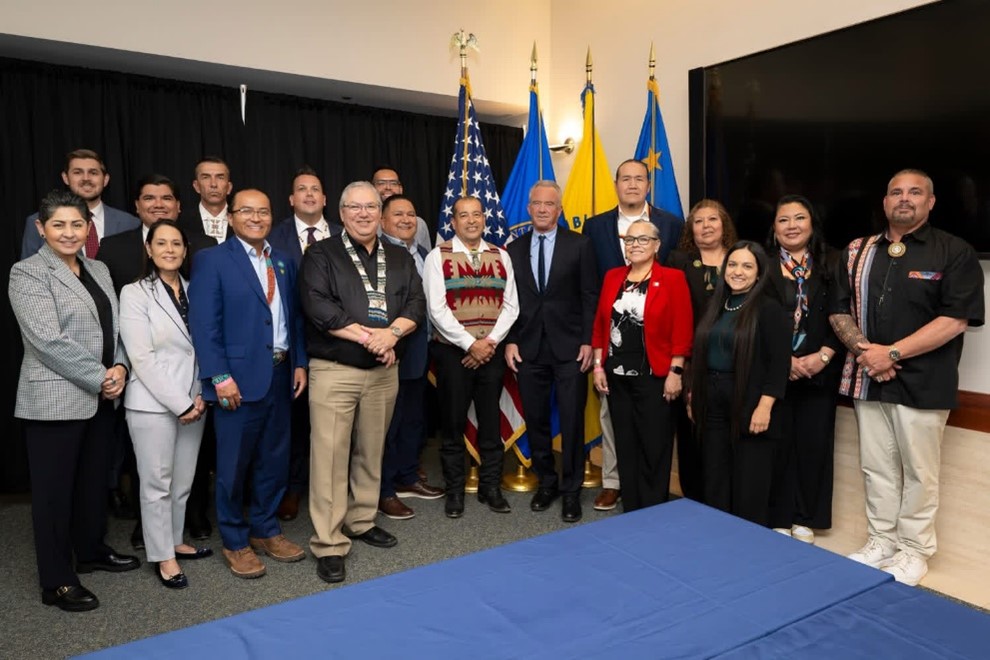
On April 23, IHS leaders participated in the first Secretary’s Tribal Advisory Committee meeting for fiscal year 2026. They provided updates on activities across Indian Country and engaged directly with Tribal leaders on agency priorities. The session offered an important forum for dialogue and reinforced the department’s commitment to listening, learning, and strengthening government-to-government relationships. IHS leaders thanked STAC Chairman Victor Joseph for his leadership and recognized Secretary Robert F. Kennedy Jr. and HHS colleagues for prioritizing the health of American Indians and Alaska Natives.
Leaders reaffirmed that IHS will continue to evolve and adapt to better serve the health and well-being of Native people. They noted that Tribes now oversee approximately 60 percent of Indian health system funding, while IHS directly manages the remaining 40 percent, reflecting the enduring importance of Tribal self-determination and each Tribe’s right to choose the path that best serves its citizens.
FY 26 Infrastructure Investment and Jobs Act Allocation Decisions Announced
On April 22, IHS announced the fiscal year 2026 allocations of $700 million from the Infrastructure Investment and Jobs Act (IIJA) to support drinking water and sanitation projects across Indian Country. The IIJA provides $3.5 billion to the IHS between FY 2022 and 2026 to develop critical Tribal water infrastructure, including robust drinking water sources, reliable sewage systems, and effective solid waste disposal facilities. In the first four years of IIJA funding, the IHS funded over 700 construction projects across all IHS areas. Overall, the IIJA funding will benefit more than 109,000 American Indian and Alaska Native households. IHS is committed to this critical work to ensure our relatives enjoy the same water and sanitation services that others take for granted.
Agency Leadership Conduct Alaska Area Site Visits
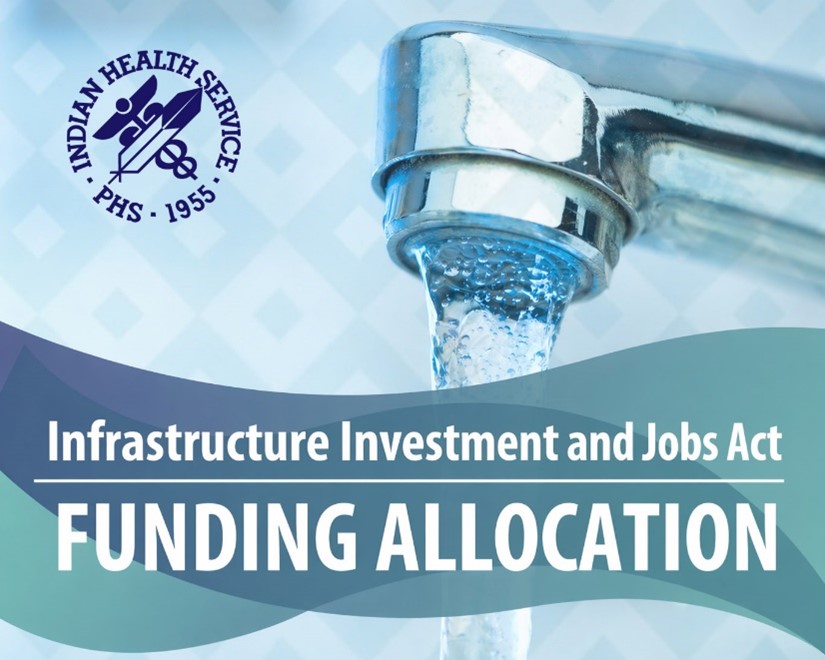
On April 20–24, Deputy Director Benjamin Smith, along with senior leadership, visited the Alaska Area to discuss ongoing sanitation infrastructure needs and highlight recent investments supporting Tribal communities. The visit underscores the scale, urgency, and impact of efforts to expand access to clean, safe drinking water and essential services across Alaska.
The tour began with visits to the Alaska Native villages of Teller and Wales in the Norton Sound/Bering Strait Region. In Teller, Smith announced a $65 million investment by IHS to construct the community’s first comprehensive piped water and sewer system. This project will deliver reliable, safe water and wastewater services to nearly 70 homes, marking a historic milestone for the village. The funding is part of the fiscal year 2026 allocation of $700 million from the Infrastructure Investment and Jobs Act (IIJA), supporting critical sanitation projects across Indian Country.
In the Alaska Village of Wales, the group toured the community health clinic, newly constructed teacher housing, and the shared washeteria. While infrastructure improvements are underway, the village continues to face persistent water shortages and is actively pursuing both short- and long-term solutions. The day concluded in Nome with a visit to Norton Sound Health Corporation’s hospital. The facility recently expanded, increasing capacity and enhancing services for its long-term care program. Both Teller and Wales are served by Norton Sound Health Corporation.
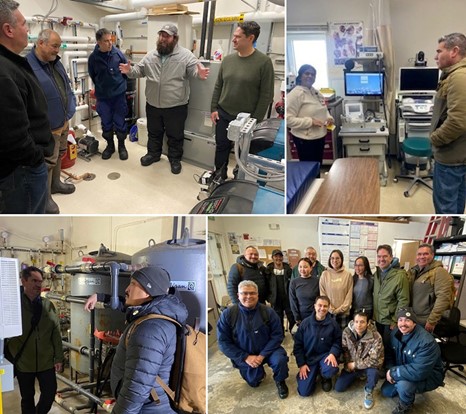
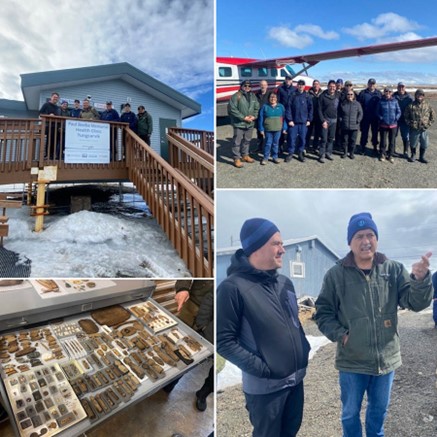
The group traveled to Quinhagak, a coastal Alaska Native community along the Kuskokwim Bay. There, Yukon-Kuskokwim Health Corporation Director of Public Health Capt. Brian Lefferts joined local leaders in providing a tour of the village health clinic, built a few years ago, and other key community facilities. Despite environmental challenges, such as coastal erosion and permafrost degradation, Quinhagak continues to demonstrate resilience. The community is home to an award-winning drinking water system and a cultural center preserving hundreds of significant archaeological artifacts.
The group then traveled to the Alaska Native village of Kipnuk, which experienced severe damage from Typhoon Halong in 2025. Ongoing recovery efforts include debris removal and infrastructure repairs to support the return of more than 700 displaced residents. The group met with construction teams working to restore essential services, including reopening the IHS-funded health clinic operated by Yukon-Kuskokwim Health Corporation. This visit, coinciding with Earth Day, highlighted the unique environmental and logistical challenges of building and maintaining infrastructure in Alaska’s coastal regions.
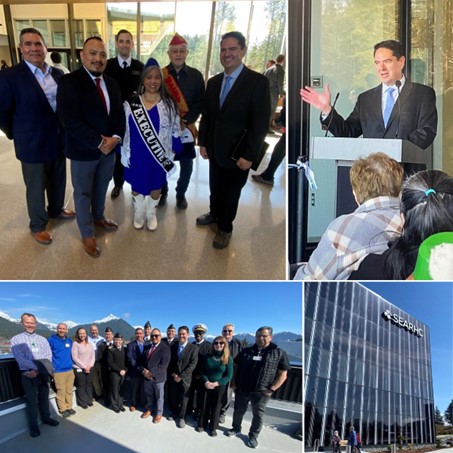
Smith and other IHS representatives attended the ribbon cutting ceremony for the new Mt. Edgecumbe Medical Center in Sitka, Alaska. Selected as a Joint Venture Construction Program project with the IHS in 2020, the new facility is 235,000 square-feet in size, about double the size of the current facility. At a cost of nearly $350 million, Mt. Edgecumbe will offer a wide array of services to patients throughout the area, including emergency care, surgical, maternal, dental, audiology, and more. It is the centerpiece for the Southeast Alaska Regional Health Consortium (SEARHC), a non-profit health consortium dedicated to providing comprehensive health care services to residents of Southeast Alaska. Thank you, and congratulations to everyone who helped bring this vision to life.
IHS Releases Phase II Action Plan in Response to GAO Designation
The Indian Health Service is undergoing a comprehensive shift to become a highly reliable, culturally responsive, and accountable system to improve its operations and address the root causes of inadequate oversight in its facilities and programs. In December 2025, the IHS released an Action Plan that outlined the five areas of emphasis identified as leading to the Government Accountability Office high-risk designation, along with the activities the agency will focus on to address them.
Recently, IHS has released the Phase II Action Plan, which provides an update on IHS’ strategic efforts to strengthen accountability, improve coordination, and address the systemic conditions underlying the designation. This report is intended to provide transparency to Tribal and urban Indian organization partners on the actions underway, while also demonstrating to oversight partners, including the Department of Health and Human Services, GAO, and Congress, how the agency is advancing measurable and sustained improvement.
We remain committed to working in partnership with Tribal nations and UIOs to strengthen governance, accountability, risk management, workforce capability, infrastructure, and performance monitoring. These efforts are led with clear executive accountability and coordinated leadership oversight to ensure that commitments translate into measurable results across all IHS programs and operations.
Indian Health Service Observes Earth Day
April 22 was Earth Day! Small changes in our daily routines can make a big impact on both public health and the environment. Consider reducing single-use plastics—like shopping bags and water bottles—to help protect our communities. Together, we can support a healthier planet for everyone to enjoy for generations to come.
Pawnee Indian Health Center Becomes First IHS Chronic Kidney Disease Model Pilot Program
The IHS is pleased to recognize the designation of Pawnee Indian Health Center as the first IHS Chronic Kidney Disease Model Pilot as part of the IHS National Chronic Kidney Disease Initiative. Kidney disease is among the top 10 leading causes of death in the U.S. and represents a major health disparity resulting in significant morbidity and mortality among American Indians and Alaska Natives. According to the American Heart Association, chronic kidney disease (CKD) is an important component of cardiovascular-kidney-metabolic syndrome, which leads to poor health outcomes.
Announced by IHS Chief Medical Officer, Dr. Loretta Christensen in March 2026, the IHS National Chronic Kidney Disease Initiative is a proactive approach that supports strategies to ensure recognition of risk factors and implementation of guideline-based prevention, screening, diagnosis and treatment of CKD and important associated conditions, including diabetes and hypertension. As we seek to mitigate the impacts of CKD among Native people, we encourage each of our federal, Tribal, and urban Indian organization programs to join Pawnee as a Chronic Kidney Disease Model Pilot site.
IHS Participates in Office of National Coordinator for Health IT Roundtable
Division of Behavioral Health Director Dr. Glorinda Segay and Chief Health Informatics Officer Dr. Susy Postal participated in the Office of the National Coordinator for Health Information Technology (ONC) roundtable discussion, “Technology’s Role in Making America Healthy Again: A Discussion on Mental Health & Substance Use Care.” The event featured three panels, with panelists exploring how expanded adoption of health information technology can improve mental health and substance use care outcomes and advance the administration’s commitment to whole-person recovery. The discussions emphasized the need for interoperability, cultural sensitivity, and the use of data to make high-quality decisions that improve patient care and promote population health.
Main themes that emerged from the discussion included: supporting integration of care through an integrated patient record, promoting interoperability that supports health information exchange and enhanced communication, promoting improved access to care using telehealth as an option, and empowering patients to play an active role in their own health care. The use of artificial intelligence (AI) was discussed, with recognition that AI could help support care for mental health patients. While it will not replace the judgment of a clinician, as required by federal guidance, it can aid in mental health treatment options for patients. These tools will improve the efficiency and effectiveness of our behavioral health system, benefiting both clinicians and patients. Dr. Postal highlighted that the IHS is already advancing its behavioral health approach by incorporating cutting-edge health technologies to improve outcomes for Indian Country.
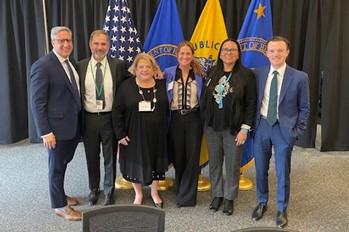
Dr. Susy Postal (3rd from left) and Dr. Glorinda Segay (2nd from right) at the ONC roundtable discussion
IHS Contracting Officer Receives HHS Senior Procurement Excellence Award
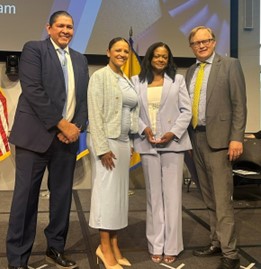
IHS Head of Contracting Activity Chantel Smith was recently recognized with the Individual Procurement Luminary Award during the 2026 HHS Senior Procurement Executive Excellence Awards Ceremony at the Food and Drug Administration Campus in Silver Spring, Md. The Procurement Luminary Award recognizes an individual as a guiding or influential figure within HHS and/or the federal government procurement community. The awardee exhibits exceptional expertise and leadership, making significant contributions to the advancement of procurement practices.
Smith leads a complex acquisition enterprise responsible for approximately $1.7 billion in annual contract obligations supporting health care delivery across 99 facilities serving American Indian and Alaska Native communities. Through her leadership, tackling governance reform, and workforce development, and spearheading a complete reorganization for acquisitions, Chantel has strengthened current operations and compliance, transparency, and efficiency across the organization. She has elevated procurement performance across the IHS and the broader federal acquisition community. Please congratulate Chantel on this well-deserved recognition.
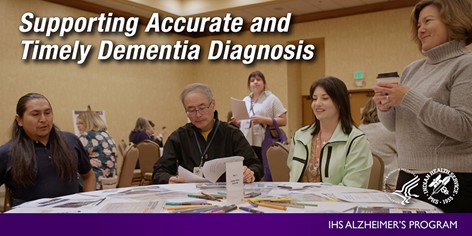
Supporting Accurate and Timely Dementia Diagnosis in the Indian Health System Video
Accurate, timely dementia diagnosis helps patients, families, and care teams plan next steps sooner. Our new video, Supporting Accurate and Timely Dementia Diagnosis in the Indian Health System, shares national and local efforts to improve dementia recognition and timely detection. It also highlights IHS programs and pilots that health care teams can connect with to strengthen screening and diagnosis. Filmed at the IHS Workforce Summit that was convened in Seattle, this video is ideal for health care administrators and staff.
Division of Oral Health Hosts Annual Dental Health Program Management Meeting
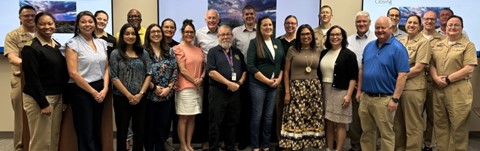
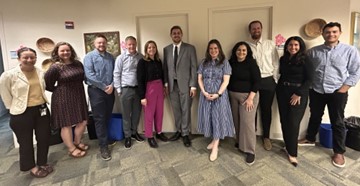
The Division of Oral Health hosted the annual IHS Dental Health Program management meeting at the Phoenix Area Office. The meeting was attended by the National Oral Health Council executive leadership group, consisting of DOH staff, and IHS Area dental officers, in addition to Dental Support Center directors. The meeting was attended by Chief of Staff Clayton Fulton, Chief Medical Officer Dr. Loretta Christensen, and OCPS Deputy Director Cmdr. Angela Fallon. The program group presented multiple activities provided throughout all IHS areas and Indian health system clinic settings to promote oral health, as well as new initiatives to allow objective evaluation of dental oral health outcomes.
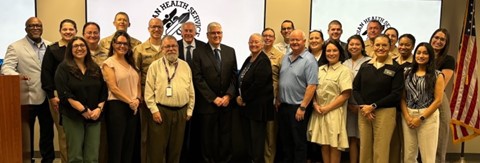
(Top) Participants with IHS Chief Medical Officer Dr. Loretta Christensen
(Bottom) Participants with OCPS Deputy Director Cmdr. Angela Fallon
Division of Grants Management Visit to Nashville Area
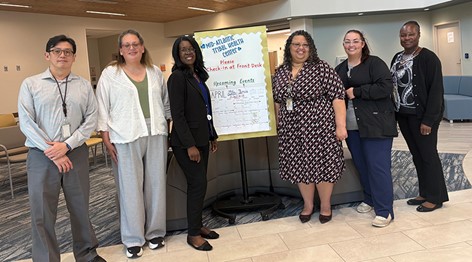
Division of Grants Management (DGM) staff recently visited the Mid-Atlantic Service Unit in Richmond, Virginia, to launch the new Monitoring and Technical Assistance initiative. The purpose is to better understand how grant programs are being carried out at the local level, work more closely with staff and recipients, and provide support to strengthen program performance. DGM will visit more sites throughout the year as part of this effort.
Indian Health Service Clinical and Community Workforce Summit
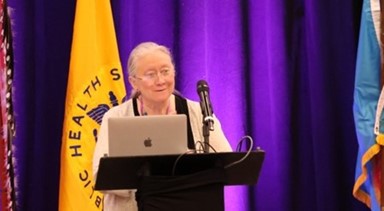
The 2026 IHS Clinical & Community Workforce Summit, held March 10–12 in Denver, brought together health care professionals, Tribal leaders, and public health partners to advance culturally responsive approaches to elder care, Alzheimer’s disease, and dementia support. The event drew 223 attendees, with broad geographic participation across multiple IHS areas. Participants represented a diverse, multidisciplinary workforce—including community health representatives, nurses, and other frontline providers—highlighting the summit’s emphasis on practical, community-based care. Overall, the summit reinforced a shared commitment to improving health outcomes for Native elders and strengthening Tribal and IHS health care systems.
2026 Oklahoma Area Tribal Public Health Conference
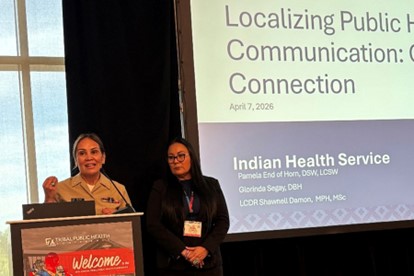
On April 7–9, Division of Behavioral Health Director Dr. Glorinda Segay, along with Behavioral Health Initiatives staff, attended the Tribal Public Health Conference in Oklahoma City. The conference was hosted by the Southern Plains Tribal Health Board in partnership with national, state, local, and Tribal organizations. Sessions covered a range of topics, including data and epidemiology, intergenerational health, environmental health, suicide prevention, and substance use treatment. The event also provided valuable opportunities for IHS and Tribal partners to network and share resources.
Dr. Segay led daily breakout sessions on suicide prevention. A key highlight occurred on April 7, when she and Lt. Cmdr. Shawnell Damon co-presented “Localizing Public Health Communication: Creating Connection.” Their session explored suicide prevention strategies, highlighted the Connected and Strong virtual space for IHS employees, and addressed the unique challenges faced by health care providers serving Tribal communities.
Office of Human Resources and Area Staff Participate in Recruitment Events
Over the last few weeks, staff from the Office of Human Resources, along with members from IHS areas, participated in various recruitment events across the country. On April 13–15, OHR staff were joined by staff from the Oklahoma City Area to recruit at the National Oral Health Conference in Oklahoma City, Oklahoma. The event is designed for dentists, dental hygienists and students from across the United States.
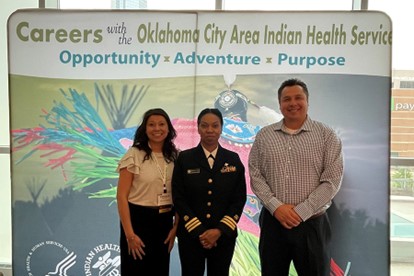
(Left to right) Assistant Director of Operations, Area Community Dental Program Coordinator Candace Williams; OCA/BEM Dental Support Center, Director Commander Keasha Myrick; Recruitment and Outreach Program Coordinator Keith Bohanan
On April 15–18, OHR and Great Plains Area staff recruited at the American College of Osteopathic Family Physicians Annual Convention in Orlando, Florida.
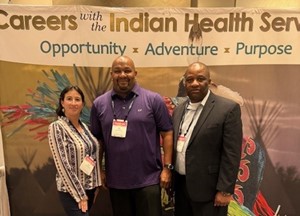
(Left to right) Loan Repayment Analyst Tara Johnston; Recruitment and Outreach Program Coordinator Carl Harris III; Great Plains Area Recruiter Philip Ifesiokwu
On April 16–18, the IHS Office of Human Resources and Portland Area staff recruited at the ACP Internal Medicine Meeting in San Francisco, California. The event attracted physicians and residents specializing in internal medicine from across the United States.
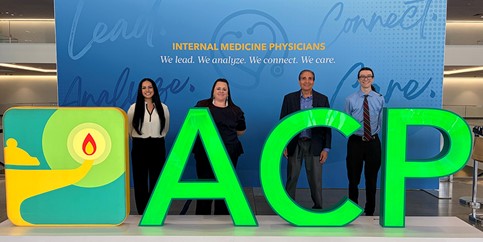
(Left to right) Orquidea Reyes, Ashley Tuomi, Justin McHorse, and Jeremy Sheehan
At all the recruitment events, attendees expressed a strong interest in IHS career opportunities, scholarships and the Loan Repayment Program. Thank you to our recruitment team members
OCPS to Host National Combined Councils September 9–10
The IHS Office of Clinical and Preventive Services will host the 2026 National Combined Councils meeting on September 9–10 from 1:00 to 4:30 p.m. ET. Members of the National Combined Councils and IHS, Tribal, and urban personnel are invited to participate to engage in thought-provoking, innovative, cross-council discussions about current issues in Indian health.
Attendees will also generate innovative strategies to improve patient outcomes and address health disparities, design quality and safety initiatives through collaborative recommendations with senior leadership, and support adequately trained, competent health care teams to ensure the safest quality care. For questions, contact HQOCPSNCCPlanning@ihs.gov or call (240) 504-1085.
- IHS National Combined Councils Meeting – Day One on September 9| Register here
- IHS National Combined Councils Meeting – Day Two on September 10 | Register here
Meeting with Office of General Counsel Area Office
On April 13, IHS Chief of Staff Clayton Fulton visited the Office of the General Counsel Area Office in Bethesda, Md., where he met with members of the team in person and virtually. During the session, staff members introduced themself and provided an overview of their roles, responsibilities, and areas of expertise. They highlighted the programs, initiatives, and legal matters they support within the IHS, offering insight into the scope and complexity of work done by the OGC. The discussion underscored the critical role the office plays in advising and supporting IHS operations, while also providing a clearer understanding of how legal services are integrated across service areas.
Patient Safety Program and VHA Offer Training Opportunities for IHS Staff
The IHS Patient Safety Program partners with the Veterans Health Administration National Center for Patient Safety to enhance training opportunities for agency staff. Through this collaboration, IHS personnel have access to a range of VHA-administered training modules designed to strengthen patient safety practices across the Indian health system. Upcoming virtual training opportunities include:
- “Root Cause Analysis” on July 8 | 6.5 hours | Register by July 1
- “Foundations for Patient Safety Officers” on September 1-24 | 32 hours | Register by August 25
These training courses are an excellent opportunity for professional development and to promote a culture of safety across IHS. For more information and to register, click here.
Advancing Patient Safety: IHS Standardizes Root Cause Analysis Process
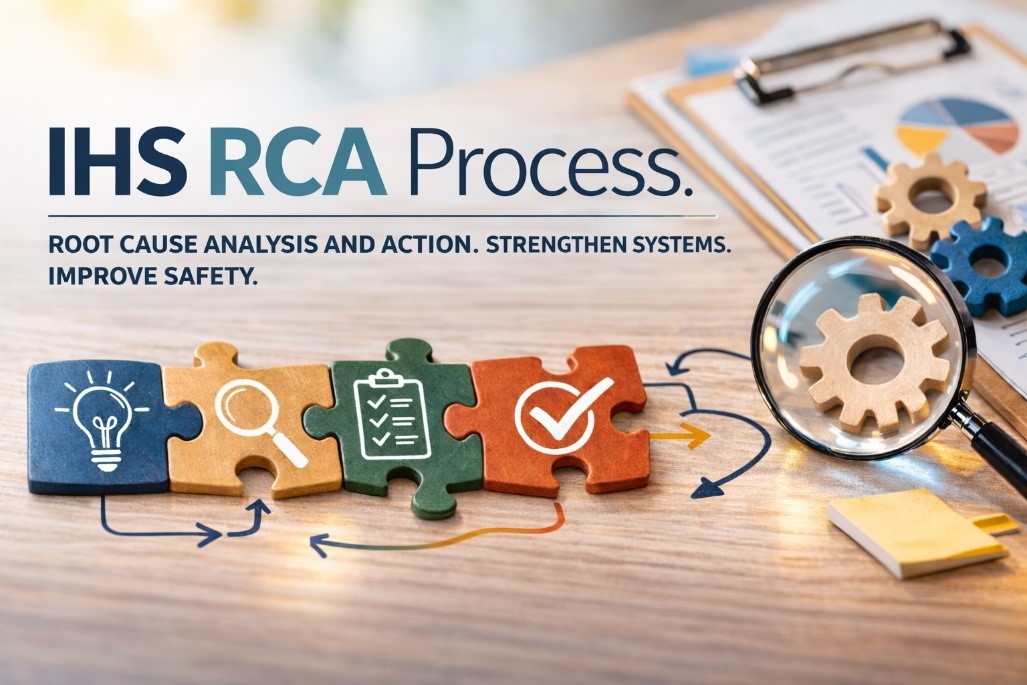
The IHS is strengthening its commitment to patient safety and quality through implementation of a standardized Root Cause Analysis (RCA) process. In 2023, IHS adopted the Institute for Healthcare Improvement’s Root Cause Analysis and Action (RCA2) methodology as its national standard. A multidisciplinary workgroup adapted RCA2 into an IHS-specific standard operating procedure, now finalized with supporting tools and ready for full implementation. A major milestone was achieved with the rollout of the enhanced I-STAR electronic reporting system, which now includes robust RCA2 documentation capabilities, completing the infrastructure needed to operationalize the standardized process across IHS.
To support implementation, the Office of Quality (OQ) has made significant investments in workforce development. Between 2023 and 2025, OQ funded over 280 staff from across the agency to complete formal RCA2 training through IHI. In 2026, additional funding was provided to all areas to support training at least one additional staff member from every facility and area office. Facilities are strongly encouraged to maintain multiple staff trained in RCA2 to ensure continuity and effectiveness in conducting RCAs, particularly amid staff turnovers.
Currently, OQ is collaborating with all areas to ensure staff receive training on the IHS RCA process and documentation within the I-STAR system. Training coordination is being led by area quality professionals and area patient safety officers. The IHS RCA SOP, along with training materials, tools, and resources, is available on the IHS RCA SharePoint site: RCA2.
Division of Behavioral Health Presents Connected & Strong – May 13
Mark your calendar for the Division of Behavioral Health’s next Connected and Strong event on May 13 at 3:00 p.m. ET., titled “Returning to Calm.” All IHS employees are invited to join the discussion for stress-reducing techniques to restore balance. Connected and Strong is an anonymous and safe space for connection, learning, and building resilience in the workplace. Use this link to add this event to your calendar or join here on day of the event.
IHS Blogs
Subscribe to the IHS blog by providing your name and email address in the “Stay Connected” box.
- Advancing Tribal Economies and Community Well-Being Through the Buy Indian Act | April Blogs
- Forensic Health Care Providers Working Diligently to Lessen the Impact of Violent Crimes across Indian Country – Part 1 | April Blogs
- Forensic Health Care Providers Working Diligently to Lessen the Impact of Violent Crimes across Indian Country – Part 2
Social Media
Follow IHS on X, Facebook and LinkedIn to see more of what the IHS is doing in your community and around the country. You can also follow the IHS Director on Facebook and X.
