

Advance Care Planning
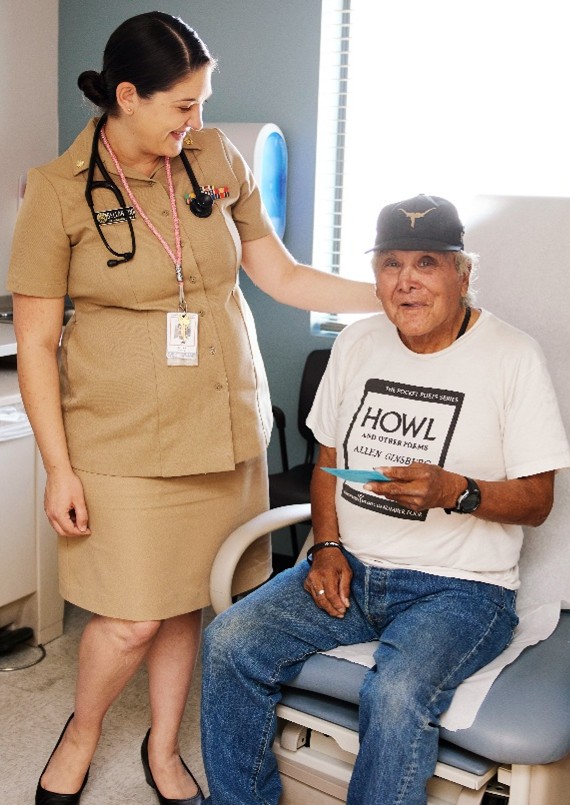
Advance care planning (ACP) helps people think about, talk about, and write down what matters most for their future health care. It helps patients share their wishes with family members and care teams. It also helps others make decisions if a patient becomes too sick to speak for themselves.
Here are a few things to know:
- ACP is not just one form or visit.
- People do not have to decide everything at once.
- A short conversation is a good place to start.
- People can change their plans at any time.
- It's never too early to start.
On this page, you will find information, tools, and resources to support ACP conversations in American Indian and Alaska Native communities.
Why ACP Matters
ACP helps make sure future health care aligns with a person’s values, beliefs, and goals. It can also:
- Help avoid care a person does not want.
- Support dignity and respect at every stage of care.
- Give families clearer guidance during stressful times.
- Reduce confusion, stress, and guilt for loved ones.
- Reflect cultural values, spiritual beliefs, and family roles.
Tips for Providers
Providers can help make ACP feel practical, personal, and easier to start. ACP works best when it starts early and continues over time. These conversations do not need to wait for a health crisis. Providers can make ACP part of routine care.
How to Start the Conversation
- Start with values. Ask what matters most to the patient.
- Present ACP as a normal part of adult care.
- Support family involvement. Ask who the patient wants involved in these decisions.
- End with one clear next step. This could be naming a decision maker, sharing a handout, or scheduling a follow-up visit.
You can use or adapt these questions during clinic or home visits:
- What matters most to you if you get very sick?
- Who do you want to speak for you if you cannot speak for yourself?
- What concerns do you have about future care?
- Are there beliefs, traditions, or spiritual practices we should respect?
Key Terms
Use plain language when introducing ACP terms. Here are some examples:
- A health care decision-maker (agent or proxy) is a person the patient trusts to speak for them and make health care choices if they cannot.
- An advance directive is a legal form that says what care a person wants and who can speak for them.
- A living will is a form that says what kinds of care a person would or would not want.
These tools are designed for providers, health care staff, patients, families, and care teams:
Advance Care Plans: Honoring Wishes and Traditions Video
This video about ACP shows how it can support patients and families. Planning ahead can bring peace of mind and help make sure a person’s wishes are honored.
- Centers for Medicare and Medicaid Services (CMS) – An ACP guide that supports conversations in American Indian and Alaska Native communities.
- Dementia Directive – A tool that helps people share their wishes in case they develop dementia in the future. It was developed with experts in geriatrics, neurology, and palliative care.
- Dementia Society of America (DSA) – Guidance and planning resources for people living with dementia and for families supporting them.
- MY WAY – A program that supports ACP and personalized care planning for Eastern Band of Cherokee Indians Tribal members.
- National Indigenous Elder Justice Initiative – A culturally appropriate planning guide that helps people write down and share their care wishes.
- National Institute on Aging – ACP information and resources for families facing end-of-life medical decisions.
