

Type 2 Diabetes Basics
Type 2 Diabetes Basics
Type 2 diabetes is a long-term condition that can happen at any age. Diabetes affects how your body uses food for energy. Eating nutritious foods, being physically active, and having a healthy weight can help prevent or delay diabetes. These habits can also help control blood sugar (blood glucose) and manage diabetes over time.
Share


View Handout [PDF – 1.5 MB]
 How does type 2 diabetes affect the body?
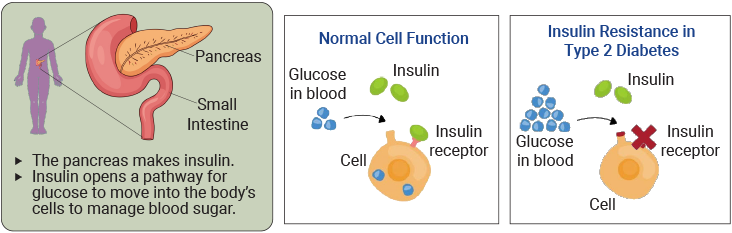
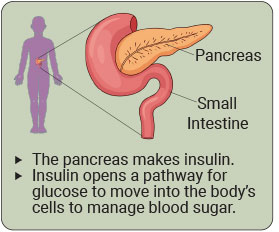
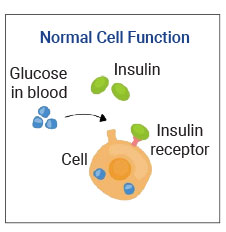
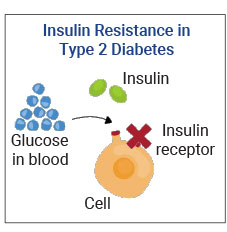
With type 2 diabetes the body experiences insulin resistance and cannot use insulin properly or does not make enough of it. Sugar (glucose) builds up in the blood instead of going into the cells for energy. This raises blood sugar levels.
Risk factors for type 2 diabetes
- Prediabetes
- Overweight or obesity
- Age 35 years or older
- Parent or sibling with type 2 diabetes
- Physically inactive
- Metabolic dysfunction-associated steatotic liver disease (MASLD). See MASLD: Should I be screened? [PDF] for more information.
- Have had gestational diabetes or have given birth to a baby weighing over 9 lbs
Symptoms of type 2 diabetes

Checking for type 2 diabetes
If you have risk factors or symptoms, your provider may suggest screening through a blood sample. They will also help you understand what the results mean.
| Diagnosis | A1C | Fasting Glucose | 2-hour Plasma Glucose * |
|---|---|---|---|
| Normal Glucose | below 5.7% | 99 mg/dL or below | 139 mg/dL or below |
| Pre-diabetes | 5.7% to 6.4% | 100 to 125 mg/dL | 140 to 199 mg/dL |
| Diabetes ** | 6.5% or above | 126 mg/dL or above | 200 mg/dL or above |
* During a 75 gm Oral Glucose Tolerance Test.
** Confirmed by two abnormal results.
If you have type 2 diabetes
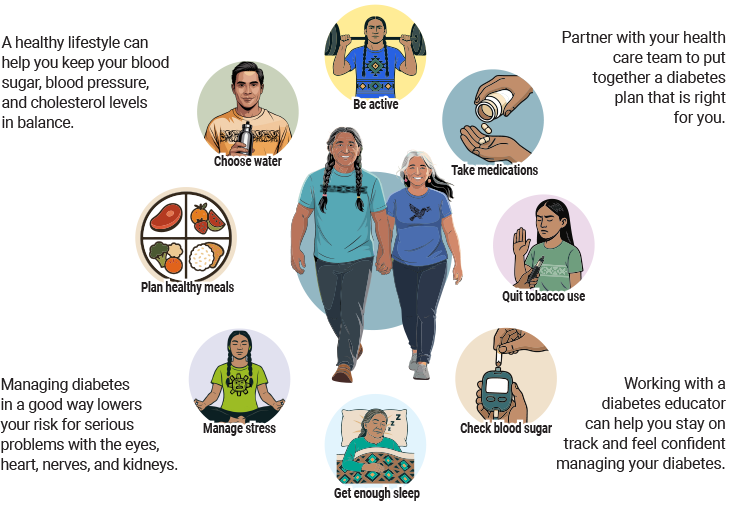

A healthy lifestyle can help you keep your blood sugar, blood pressure, and cholesterol levels in balance.

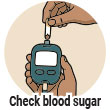
Partner with your health care team to put together a diabetes plan that is right for you.



Managing diabetes in a good way lowers your risk for serious problems with the eyes, heart, nerves, and kidneys.

Working with a diabetes educator can help you stay on track and feel confident managing your diabetes.
