News and Updates
Safe Meds Start with Secure Storage
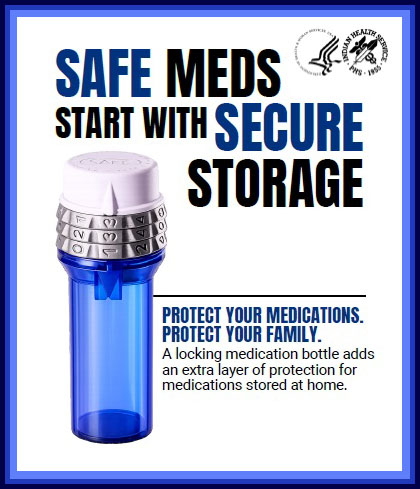
IHS is committed to promoting the safe storage of medications in the home. Locking medication bottles provide an added layer of protection by helping prevent unintended access—especially by children or other vulnerable individuals. When paired with good conversations, education, and proper disposal of unused medications, secure storage strengthens household safety and helps prevent accidental poisonings. By taking small steps together, we can promote a safer, healthier community for everyone.
- Locking Prescription Bottle Flyer [PDF - 136 KB]
- Locking Prescription Bottle FAQs [PDF - 47 KB]
- Locking Prescription Bottle Ordering Information [PDF - 73 KB]
NEW WEBINAR RECORDING: CLINICAL UPDATES ON KRATOM AND RELATED PRODUCTS
This Indian Country Echo presentation reviews the pharmacology, clinical risks, and evolving landscape of kratom and related products, including 7-hydroxymitragynine (7-OH). The session also covers recognition and management of withdrawal, as well as evidence-based treatment strategies.
Provide Treatment that Leads to Long-term Recovery!
IHS EOP: Medication for Opioid Use Disorder (MOUD) Campaign
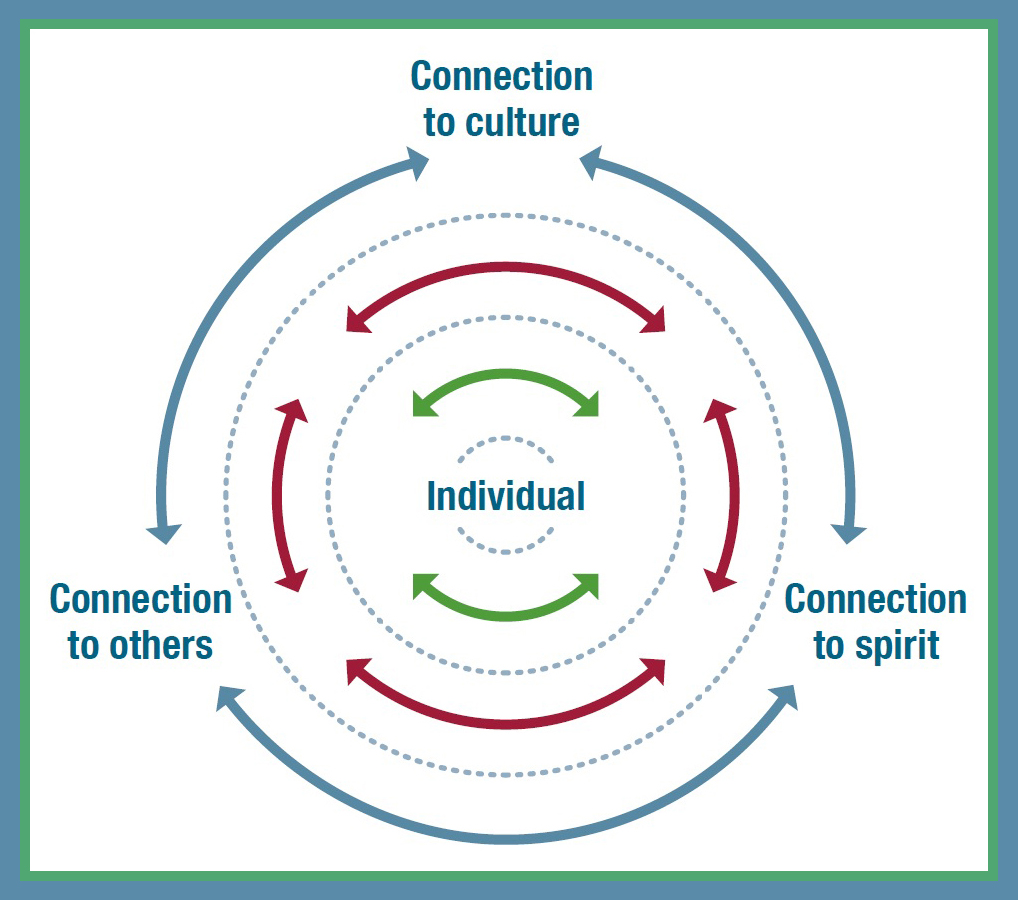
The Educational Outreach Program (EOP) mission is to provide frontline clinicians with evidence-based interactive education, to build relationships with healthcare teams, and identify and address system barriers to decrease variability in the use of evidence-based treatments. Effective OUD treatment and recovery begin with creating non-judgmental care spaces, ensuring access to medications across settings, connecting patients to support systems, and promoting harm reduction strategies at all stages of care. The IHS developed evidence-based resources to support prescribers and health systems in expanding access to MOUD and facilitating seamless care coordination.
A high-level overview of key messages include stigma, screening, diagnosis, and initiating treatment is available, as well as other provider resources and patient educational materials.
The MOUD Newsletter [PDF - 538 KB]includes additional information and resources to support front line clinicians in their important work combating the opioid crisis.
Drug and Alcohol Screening
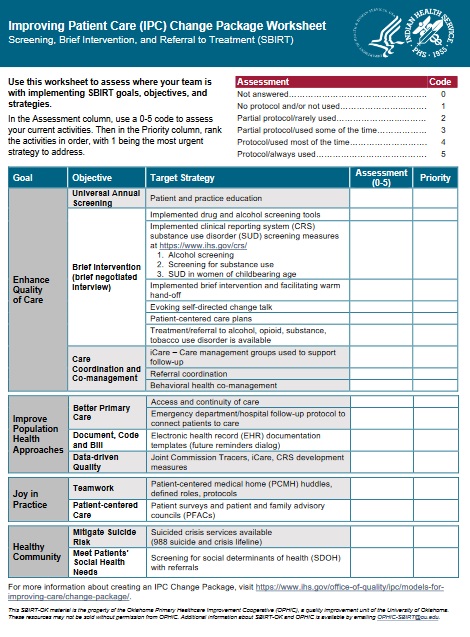
IHS is expanding education and outreach that utilizes evidence-based approaches to substance use disorder care which includes enhanced universal screening and care-coordination efforts that support patient engagement and reduce opioid overdose rates.
Watch How to Use SBIRT: Identifying Those With and at Risk of Substance Use Disorder.
Complete the Improving Patient Care Change Package Worksheet: SBIRT Practice Assessment Tool [PDF - 191 KB] to assess where your team is in implementing SBIRT goals, objectives, and strategies.
Access the latest IHS Pain and Opioid Use Disorder Webinar recording via Zoom: Overview of New TAPS and CAGE-AID Screening Tools for Substance Use to discover insights on enhancing substance use screening.
Resource: How to Document Drug and Alcohol Screening and Assessment Tools in the IHS RPMS EHR. [PDF - 797 KB]
Harm Reduction
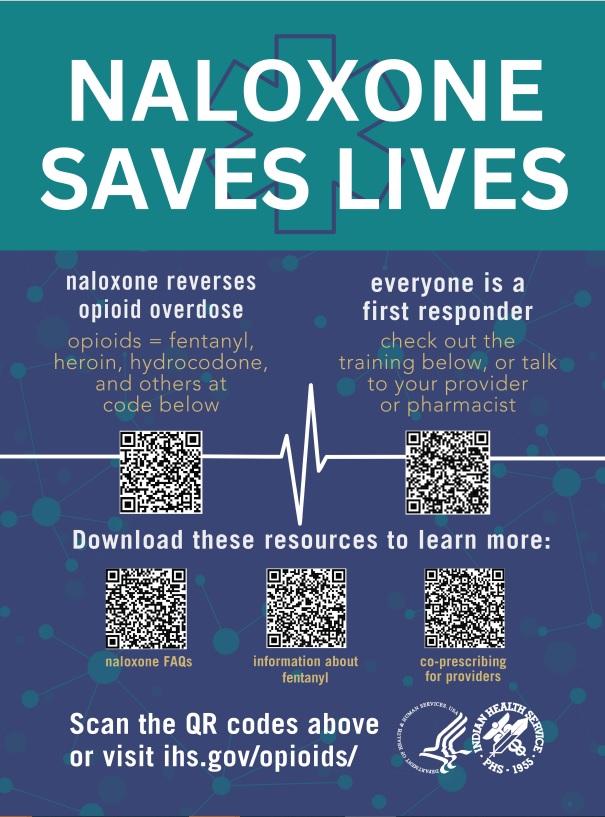
Harm Reduction describes comprehensive strategies to reduce the negative effects of substance use, acknowledging that each person and their road to recovery is unique and important. Below are updated resources to support community strategies for Overdose Prevention.
- Naloxone Safety Net Pilot Project – IHS supports expanded harm reduction activities and works to promote low-barrier access to naloxone. A limited quantity of naloxone is available to support sites struggling to meet local naloxone needs. These doses are meant to augment existing program naloxone forecasting and should be used to fill unexpected I/T/U short-falls resulting from increased utilization or new programming needs. The shipments are coordinated by IHS Headquarters and delivered directly to approved IHS National Supply Service Center customers. Please email the IHS HOPE Leadership committee to request additional information.
- Naloxone in the Workplace – To support overdose emergency response in non-healthcare office settings, IHS has developed a sample policy [DOCX - 215 KB] for making naloxone available.
Resources
- Dear Tribal Leader Letter [PDF - 243 KB] – May 8, 2024
- Naloxone Saves Lives Poster [PDF - 525 KB]
TIP SHEETS
- Harm Reduction [PDF - 1.3 MB]
- Opioid Stewardship [PDF - 617 KB]
- Treatment and Recovery [PDF - 558 KB]
IHS Workforce Development Strategies
IHS Essential Training on Pain and Addiction (ETPA)
This training serves as the approved training for all those needing to complete the required initial and refresher trainings for IHS. This on-demand, web-based course delivers evidence-based updates to clinical practice guidelines and includes important content essential to support health equity for pain management conditions and opioid use disorders. The ETPA meets the Medication Access and Training Expansion (MATE) Act requirements and provides 3 hours of the required training time.
Find out more about IHS Essential Training on Pain and Addiction.
IHS EOP: Pain Management
Opioid stewardship is a key part of IHS's overall strategy to improve outcomes for patients diagnosed with chronic pain syndrome or opioid use disorder. New evidence-based pain management clinician guide, pocket-references (including opioid de-prescribing), fact sheets, and patient education are now available.
Educational Guide: Managing non-cancer pain in the care of American Indian and Alaska Natives [PDF - 3.9 MB].
The comprehensive Pain Management Campaign Materials are available for download.
Treatment and recovery support services help people with substance use disorders manage their conditions successfully. Download and customize the recovery card [PDF - 595 KB] for IHS, tribal, and urban health facilities to use to connect people to resources in your community.
Watch a video to learn more about how IHS is Preventing and Treating Opioid Addiction in Tribal Communities.
