Site Visits: How to Prepare
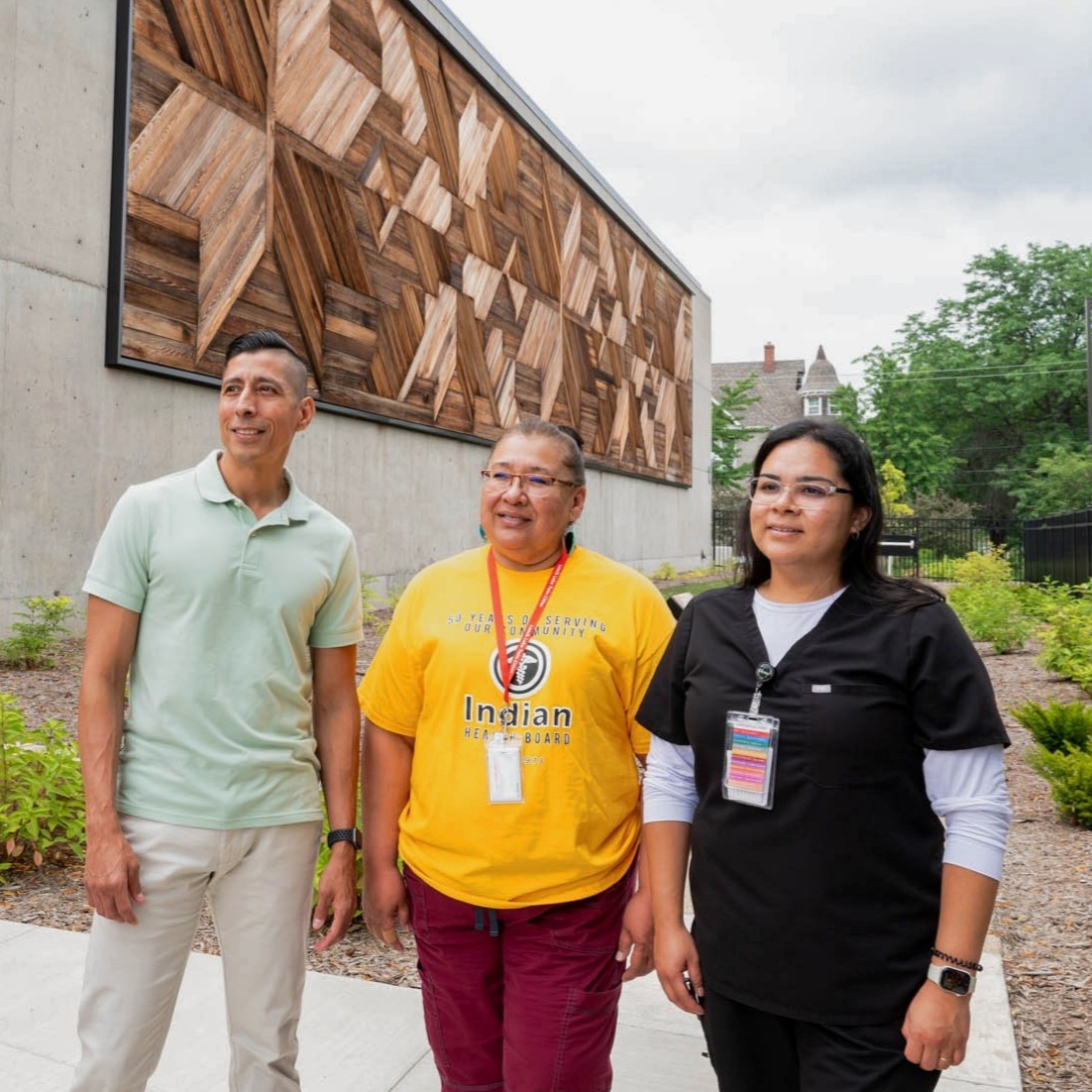
Site visits bring together key staff and stakeholders from the grantee and IHS, typically early in the grant period. These visits are important for getting your grant started properly and improving your program's performance. It allows programs to introduce IHS to your local community, clinic, culture, resources, and team. Site visits are a great opportunity to:
- Build strong relationships and positive connections between our staff and yours.
- Understand your program's needs
- Identify challenges and opportunities
- Find the best ways for us to offer support

Preparing for Your Site Visit
Here's how to prepare and what to expect for a productive and supportive site visit.
A: Site visits usually happen at the start of the grant. Our program staff will work with you to set a date.
A: Site visits usually include meetings, presentations, and tours of your program and facilities. You and the IHS staff will plan an agenda together.
Here's a sample agenda:
- Arrive at clinic
- Introductions and program overview
- Clinic tour
- Community tour
- Lunch/Break
- Review of grant implementation and IHS support
- Technical assistance session
- Wrap-up and next steps
We can also schedule our visit around any special event, educational training, or planned community session so that we can see your staff and program in action and meet the people your project is serving.
A: Site visits usually last one full day.
A: Within 7-10 days, IHS program staff will create a summary report. This report may cover topics discussed, any technical assistance provided, and the plan for next steps.
Tips for Success
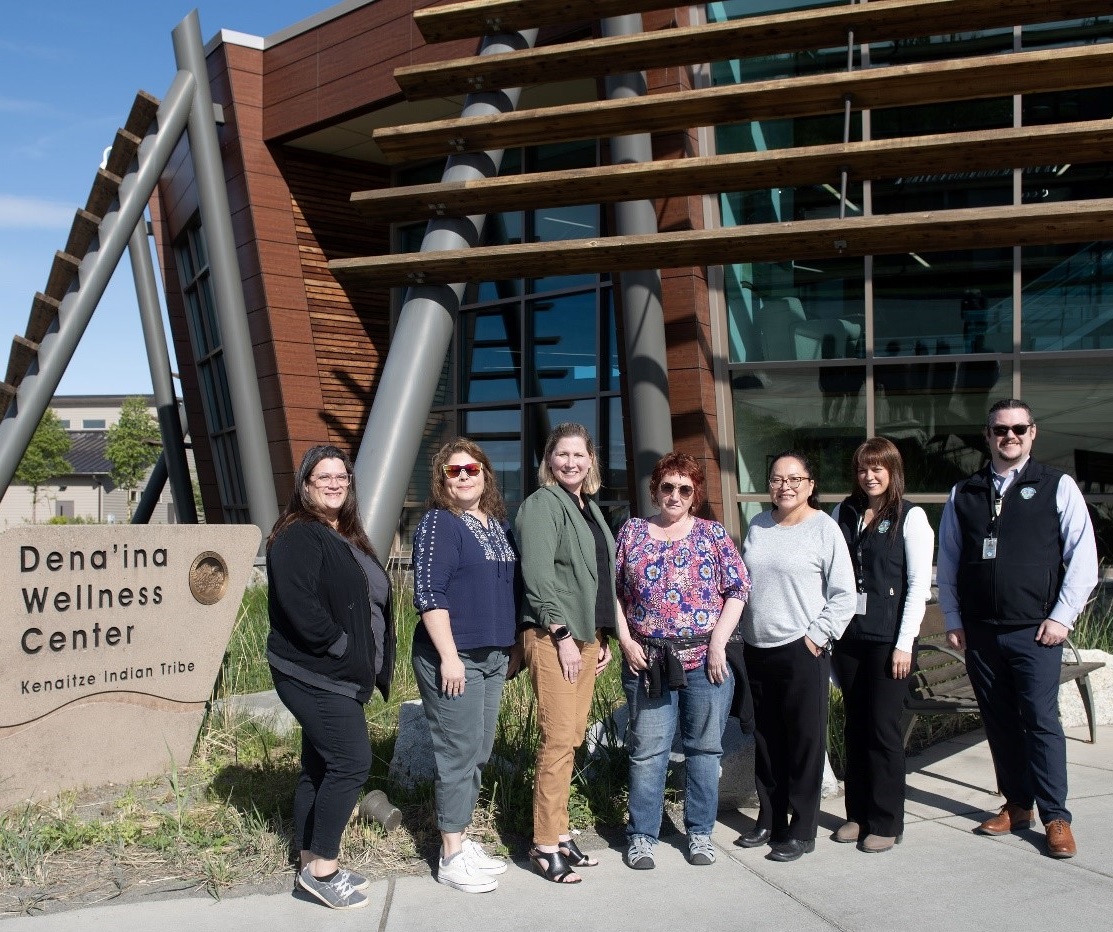
Use these tips to help you prepare for a successful site visit, ensuring your program receives the support it needs.
Use it as an organizational kick-off meeting: Depending upon when the visit is scheduled, this can be a great time to officially share info and kick-off your grant internally and externally.
Ensure participation from both clinical and community stakeholders: These visits help bring different viewpoints together and allow us to meet people from both settings who are important to your program.
Include other support staff and programs: Create an opportunity for our team to meet your grants administration and finance team and invite other key programs and staff participating in your grant to join part of the meeting.
Prepare your team: Make sure everyone involved knows the agenda and their roles.
Organize your materials: Have all relevant documents, reports, and data ready for review.
Be clear about your needs: Use the visit as a chance to discuss any challenges or support you need.
Stay on schedule: Keep the visit running smoothly by sticking to the planned agenda.
Follow up: After the visit, review the summary report and follow up on any next steps.
Site Visits
Chickahominy Tribe and the Mid-Atlantic Tribal Health Center: Supporting Dementia Grant
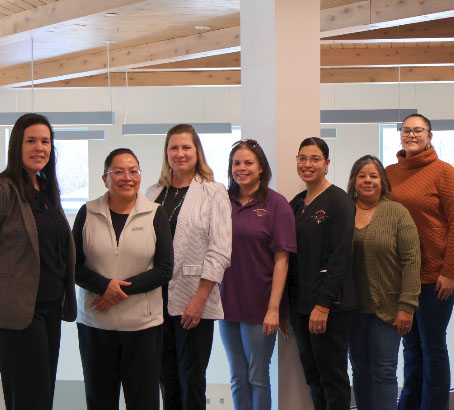
On January 7, 2026, the IHS Alzheimer's Program Elder Health Team visited the Chickahominy Tribe and the Mid Atlantic Tribal Health Center to support their dementia grant. The team toured facilities and the surrounding community. While there, they engaged with elders at a Brown Bag event and brainstormed with health center staff about their evolving strategies.
These conversations provided a firsthand look at how community-driven and culturally responsive dementia care can succeed. This work supports a broader IHS goal: empowering tribal and urban communities to lead the way in elder health. A virtual planning session followed. The team reviewed implementation strategies, technical assistance needs, and sustainability priorities, including early dementia screening, caregiver support, referral tracking, and quality of life measures.
Overall, the visit strengthened partnerships and reinforced the importance of local voices in shaping dementia care.
