

Indian Health Geriatric Nurse Fellowship FAQs
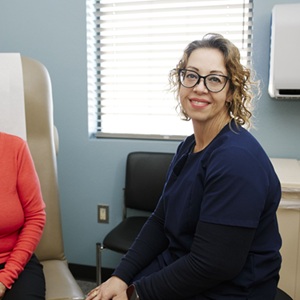
Please review these frequently asked questions before you start your application for the third, 2026-2027 IHS Geriatric Nurse Fellowship (GNF) Program cohort.
The IHS GNF has eligibility requirements for applicants and activy commitments that program participants must meet during the program period.
If you have further questions, please contact the Triad Team.
Frequently Asked Questions
A: To be considered for the fellowship, you:
- Must be an RN, APRN, or LPN.
- Must work in an IHS, tribal, or urban Indian health program.
- Must be a permanent employee (temporary or contract staff are not eligible).
- Must have an endorsement from your clinical supervisor and CEO/health administrator.
- Cannot be currently enrolled in the IHS GeriScholars Program.
A: During an open application period, you can download and complete the application form. As part of the application, you must also:
- Get an endorsement from the CEO or clinical supervisor of your sponsoring facility.
- Select your core and specialty trainings (or an alternative approved curriculum).
- Provide a short description of your proposed geriatric-focused project.
You may choose to select additional optional training or certifications. Send your completed application to the Triad Team.
A: After acceptance into the fellowship program, enroll in an approved training course through your IHS, tribal, or urban Indian health program's usual process.
- Follow your sponsoring program's usual training request process.
- The IHS Division of Clinical and Community Services will reimburse your program after you complete the training.
- Do not pay for the registration personally. IHS DCCS cannot reimburse you directly for registration and can only refund your IHS, tribal, or urban Indian health program for these costs.
- Final acceptance as a Geriatric Nurse Fellow requires proof of course enrollment.
A:You can request alternative geriatric training that better fits your role. However, you must show that you have already completed training covering all core curriculum topics.
- The $1,000 budget limit still applies.
- Alternative training must be submitted and approved with your application.
- You can customize a specialty curriculum using courses from these or other sources:
A: Choose a specific, measurable, and achievable project that fits within the 4–6–month timeframe. Here are some tips:
- Keep it manageable—don’t overcommit.
- Discuss ideas with your supervisor, manager, and/or clinical leadership.
- Pick a project that benefits your clinic or health system.
Here are some examples:
- Integrate memory or fall risk screening (e.g., Mini-Cog© or AD8) into routine care.
- Host a community health presentation at a senior center or meal site.
- Lead a unit in-service training with short knowledge checks.
- Create a medication safety brochure for older adults and caregivers.
- Conduct a baseline knowledge assessment of staff, patients, or the community on a particular health topic.
- Set up a geriatric health table at a local health fair and provide screenings or health education.
- Develop a local implementation plan for an evidence-based, risk-reduction intervention.
- Design a medication process with pharmacy staff
- Perform chart reviews or audits to gather data on your patient population.
- Update a policy or protocol based on current research.
A: If you're unsure about attending in-person training due to scheduling or work commitments:
- Mark "Maybe" on your application.
- Briefly explain any possible conflicts.
- Once dates are confirmed, you will receive an email notification.
- You will then have 30 days to decide whether to attend and accept the travel reimbursement.
- You will be required to participate in the meeting virtually if you cannot attend in person.
A: Please email the Triad Team to connect with a staff member who can help.
