

Understanding Your Cholesterol
Understanding Your Cholesterol
What is Cholesterol?
Cholesterol is a fat-like substance that helps your body build cells, vitamins, and hormones.
Too much cholesterol in the blood raises the risk of a heart attack or stroke.
People with diabetes have a higher risk of these conditions.
Share


View Handout [PDF – 651 KB]
Check your cholesterol levels
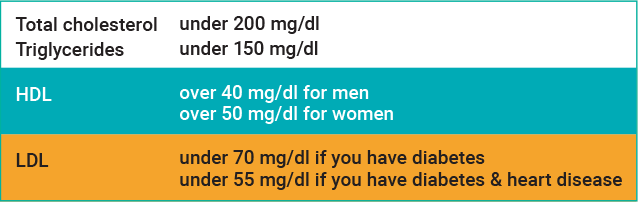
A blood test called a lipid panel checks your cholesterol and triglyceride levels.
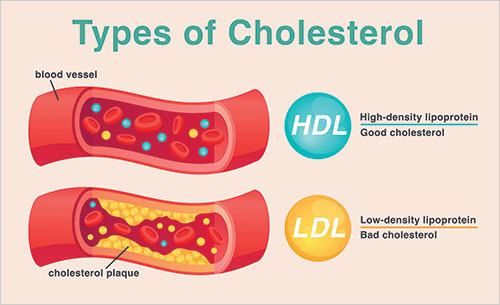
 HDL cholesterol is often called “good cholesterol.” Higher levels of HDL are linked with lower risk of heart disease.
 LDL cholesterol is often called “bad cholesterol.” It can build up in your blood vessels and block them.
Triglycerides are a type of fat in your blood. Your body uses them for energy. High levels raise your risk of heart disease and stroke.
Total cholesterol is a measure of all the cholesterol in your blood.
Form Healthy Living Habits
Begin by making small, positive steps in your daily life.
Heart Healthy Living
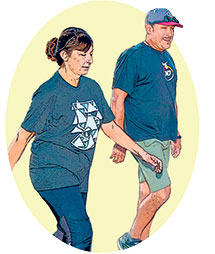
- Exercise at least 150 minutes a week.
- Lose weight if you are overweight. A 5 to 10 pound loss may lower blood fats.
- Limit alcohol if you drink.
- Quit smoking or vaping.
- Take cholesterol medication if prescribed.
Heart Healthy Eating Choices
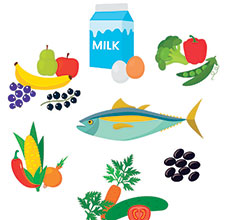
- Eat a wide variety of fruits and vegetables.
- Cook with healthier oils from plants such as olive, avocado, and sesame oil. See Fats and Heart Health for more information.
- Choose lean proteins, such as poultry, buffalo, elk, deer, and wild-caught fish.
- Eat fish twice a week. Fish, like salmon and sardines, have heart-healthy omega-3 fatty acids.
- Eat dairy foods that are low in saturated fat, such as low-fat or nonfat yogurt, milk, and cheeses.
- Choose high fiber whole grains like brown rice, corn meal, or whole grain bread.
- Choose sugary foods and drinks less often. See Limit Added Sugar to learn more.

What Raises Cholesterol and Triglycerides?
- Family history (genetics)
- Eating foods
- high in saturated fat
- high in sugar and carbohydrates
- low in fiber
- Not getting enough physical activity
- Being overweight
- Drinking too much alcohol
- Smoking
- Uncontrolled diabetes
- Certain medications