March 30, 2026: IHS Updates for Tribes and Tribal and Urban Indian Organizations
The bi-weekly update provides up-to-date information on recent events, meetings, conferences, upcoming deadlines, and recognition of the work being done across the Indian Health Service, other federal agencies, and Indian Country. For more information or questions, please email IHSPublicAffairsStaff@ihs.gov.
IHS Leaders Visit the Alaska Area
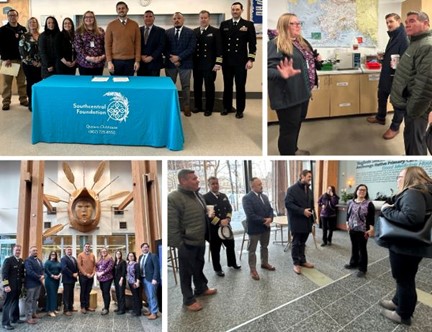
In March, IHS Chief of Staff Clayton Fulton and senior leaders had the privilege of attending meetings with Tribal partners and visiting sites throughout the Alaska Area. Their visit started March 16 with a signing ceremony between IHS and the Southcentral Foundation (SCF), symbolizing the continued partnership and shared commitment to improving health care services for American Indian and Alaska Native communities.
While meeting with SCF, staff toured the K'Kuyuqa Niltu facility in Anchorage, where they highlighted how it contributes to supporting community wellness and coordinated care, as well as the Family Dental Clinic and the Yagheli Shesh Qenq'a Anchorage Native Primary Care Center, showcasing SCF's integrated care model.
IHS Leaders Tour Alaska Native Medical Center
As part of their trip to the Alaska Area, IHS leaders conducted visits to key facilities within the Alaska Native Medical Center campus, including the main facility. They began at the emergency services expansion construction site, where leaders received an overview of efforts to increase emergency care capacity, improve patient flow, and meet the growing demand among Alaska Native and American Indian communities. The visit included the patient lodging facility, which provides temporary housing for patients and families traveling from rural and remote areas. Additional stops included the education and development centers and health aide training centers. The day concluded at the Healthy Communities Building, where prevention, wellness and community health programs are coordinated. Staff shared how these initiatives aim to address social determinants of health and support long-term wellness within Alaska Native communities.
Together, the visits underscored the strength and coordination of services, infrastructure and workforce efforts that make comprehensive care possible across the Alaska Tribal health system.

IHS Engages in Alaska Area Tribal Consultation
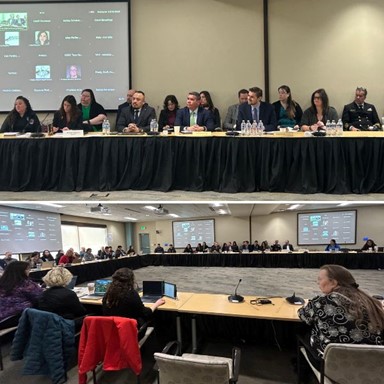
On March 17, IHS Chief of Staff Clayton Fulton, accompanied by Deputy Director for Management Operations Darrell LaRoche, Chief Financial Officer Jillian Curtis, Acting Alaska Area Director Lyle Claw, and IHS Alaska Area staff, in attending the Alaska Tribal Consultation. In his remarks, the Chief of Staff emphasized the commitment of the IHS to ongoing collaboration, transparency, and meaningful engagement with Tribal partners. Tribal leaders in attendance provided thoughtful and candid feedback regarding the proposed IHS realignment. Many leaders expressed concerns about the potential impacts on service delivery, regional representation, and decision-making authority.
In addition to outlining their concerns, several Tribal leaders and representatives presented proposed revisions to the IHS realignment’s organizational structure. These recommendations reflect a desire for strengthened Tribal consultation, improved communication channels, and a structure that better aligns with the unique needs of Alaska Tribes. The discussion underscored the importance of continued dialogue and partnership as IHS considers next steps in the realignment process.
IHS Director’s Awards Recognizes Individuals and Team Accomplishments
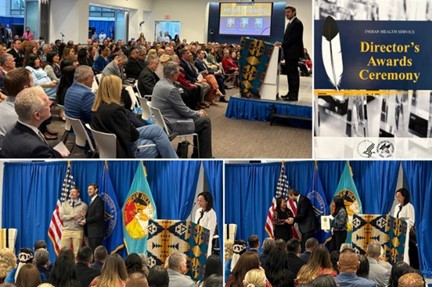
On March 27, Chief of Staff Clayton Fulton and members of the executive leadership team had the pleasure of welcoming recipients to the 2024 IHS Director’s Awards Ceremony at IHS Headquarters in Rockville, Md. In recognition of exceptional work during calendar year 2024, more than 300 individuals and teams were selected to receive IHS Director’s Awards. The nominations came from across the IHS system, reflecting a shared commitment to excellence and a deep respect for the work we do together in service to American Indians and Alaska Natives.
The ceremony served as a reminder of the strength, dedication, and talent across the IHS. Through these awards, we acknowledge the profound difference our colleagues are making. Their work—often done quietly and without recognition—strengthens communities, builds trust, and ensures care reaches the patients and families who depend on us. These contributions are vital to fulfilling the IHS mission, and we are pleased to recognize these extraordinary efforts. Please join us in celebrating our colleagues for their exceptional work. They exemplify the true spirit of public service, and we sincerely thank them for their dedication to the IHS mission.
Tribal Delegation Meeting with Lac du Flambeau Band of Lake Superior Chippewa Indians
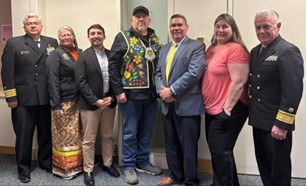
On March 19, Deputy Director for Management Operations Darrell LaRoche met with the Lac du Flambeau Band of Lake Superior Chippewa Indians from the IHS Bemidji Area to discuss health priorities related to infrastructure and environmental community needs. We appreciate the opportunity to meet with Tribal delegations and understand their challenges in our shared objective to raise the physical, mental, social, and spiritual health of American Indians and Alaska Natives to the highest level.
Tribal Delegation Meeting with Northwest Arctic Leadership Team
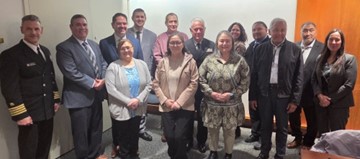
Last week, IHS Chief of Staff Clayton Fulton, Deputy Director Benjamin Smith, and senior leaders met with the Maniilaq Association and members of the Northwest Arctic Leadership Team. The meeting’s purpose was to learn more about environmental and public health conditions affecting the Northwest Arctic Borough of Alaska.
The Tribal delegation shared how the climate is challenging the water and sanitation infrastructure, which is negatively impacting the health of the community. They also shared the beneficial impacts that the 105(l) lease program and Medicaid revenue have on expanding health care for the region. And expressed their appreciation to the IHS for the support and partnership on infrastructure projects that were available through the Infrastructure Investment and Jobs Act. The IHS always welcomes opportunities to visit with our Tribal partners, and to hear their challenges and triumphs as we jointly pursue the goal of serving our relatives through the IHS mission.
Meetings with North Dakota and South Dakota Tribal Leaders - Postponed
The Office of Resource Access and Partnerships has postponed it meeting with North Dakota and South Dakota Tribal leaders. The new dates will be announced in an official Dear Tribal Leader Letter and posted on the IHS calendar when confirmed.
Alaska Area ISDEAA Team Participates in Pre-Negotiations
In March, leaders from the IHS and the HHS Office of General Counsel, with support from IHS subject matter experts, met with representatives of the Alaska Tribal Health Compact during annual Indian Self Determination and Education Assistance Act pre-negotiations in preparation for final negotiations scheduled during the week of May 11.
This event, held on the campus of the Alaska Native Tribal Health Consortium in Anchorage, supports the ongoing provision of comprehensive health services to more than 174,000 Alaska Natives and American Indians and all 229 federally recognized Tribes in Alaska. In addition to IHS-funded, Tribally managed hospitals located in Anchorage, Barrow, Bethel, Dillingham, Kotzebue, Nome, Sitka, and Wrangell, there are 58 Tribal health centers, 160 Tribal community health aide clinics, and five residential substance abuse treatment centers. The Alaska Area maintains ten Title I contracts with Alaska Tribes and Tribal organizations and negotiates one Title V compact with 26 separate Tribal funding agreements each year.
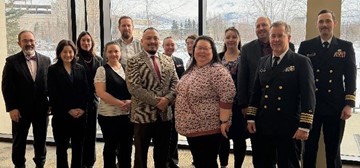
Members of the Alaska ISDEAA Negotiations Team meet in Anchorage, AK
IHS Announces Increased Threshold for Catastrophic Health Emergency Fund
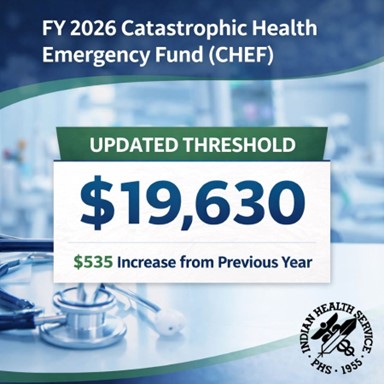
In March, the IHS published a Federal Register Notice that establishes the fiscal year 2026 Catastrophic Health Emergency Fund (CHEF) threshold of $19,630, an increase of $535 from the previous year. The CHEF was established to support and supplement Purchased/Referred Care programs that experience extraordinary medical costs associated with the treatment of disasters and/or catastrophic illnesses that are within the responsibility of the IHS and Tribes. For more information, read the Dear Tribal Leader Letter.
IHS Launches New Find Health Care Map
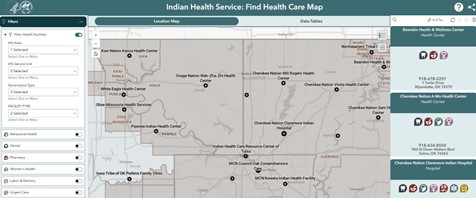
IHS introduced the new IHS Find Health Care Map—an interactive resource featuring more than 1,100 IHS, Tribal, and urban Indian health facilities. With enhanced tools to search, filter, query, download data, and get directions, users can quickly find care by IHS area, service unit, facility type, governance mechanism, and available services. For more information, or to receive a demonstration of the map’s tools and capabilities, contact carlynne.worsham@ihs.gov.
Obstetric Emergency Readiness Training Held in Phoenix Area
The Maternal Child Health and Phoenix Area teams traveled to Hopi Health Care Center for site visits and training for obstetric emergency readiness from March 9–12. Thirty-eight staff participated in Obstetric Readiness in the Emergency Department training. Participants included emergency medicine and family medicine providers, emergency and inpatient nurses, emergency medical services teams, pharmacists, laboratory staff, and administrative leadership. Staff improved their knowledge in the management of obstetric emergencies and requested ongoing education and readiness training. Thank you to the participants, sites, and area leadership for their hospitality and support.
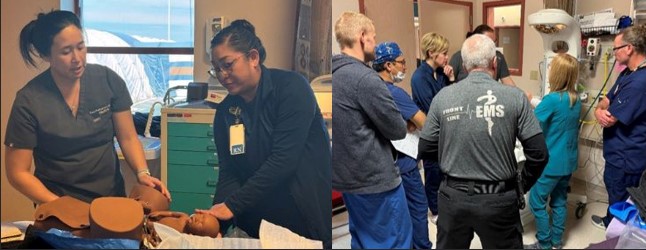
Members of the IHS Maternal Child Health team and Hopi Health Care Center staff participate in Obstetric Readiness in the Emergency Department training in Hopi, AZ
IHS Representatives Attend CMS Quality Conference
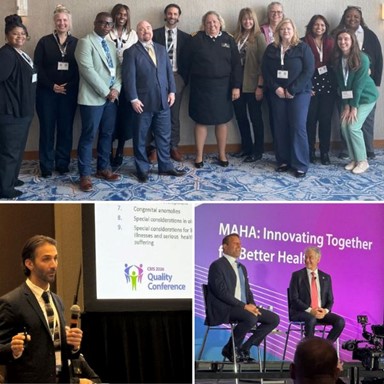
On March 16–17, representatives from the Office of Quality, Office of Information Technology, and Office of Clinical and Preventative Services (OCPS) attended the 2026 CMS Quality Conference in Baltimore. They met with HHS and CMS leaders and partners to advance better health outcomes and hear how federal and other health systems track and measure quality improvement, adopt artificial intelligence, anticipate risks, and prioritize patient safety. Acting OCPS Director Dr. Vijay Kannan presented on the topic “Improving Health Outcomes for American Indians and Alaska Natives.” IHS also met with CMS and the AI/AN Quality Improvement Organization to discuss collaboration on shared priorities. These discussions reinforced the commitment of the IHS to provide culturally responsive quality improvement that honors Tribal sovereignty and advances national quality priorities.
U.S. Centers for Disease Control and IHS Office of Quality Collaborate to Provide Infection Control Training & Assessments
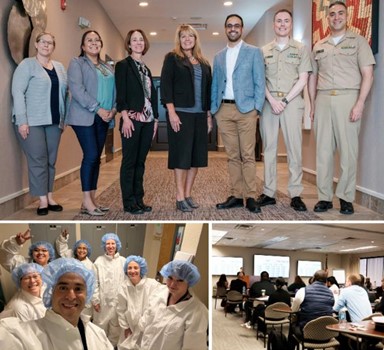
In partnership with CDC, the Office of Quality has delivered three in-person infection control and prevention training events in fiscal year 2025–2026, followed by Infection Control Assessment and Response visits to assess facility-level strengths and identify targeted mitigation strategies. The most recent training was conducted in the Phoenix Area in January; the CDC evaluation summary is now available and highlights the session’s impact across diverse staff roles, as well as its practical applications. The OQ and CDC will continue this work in the California Area on March 24–26.
IHS Partners with CDC to Strengthen Water-Focused Infection Prevention Practices
The IHS Office of Quality invites you to attend two water-focused special office hours sessions, brought to IHS through collaboration with our CDC partners. The sessions are open to all staff, and the target audience includes Infection preventionists/infection control officers, safety officers, facilities, engineering, biomedical engineering, quality professionals, patient safety officers, unit and department staff, sterile processing staff, and leadership.
- “From Plumbing to Patients: Reducing the Risk of Water” on April 1 at 1:00 p.m. ET ? Register
- This session highlights how water contributes to health care-associated infections and how water management programs and frontline awareness reduce risk.
- “From Construction to Tap: Understanding Water Management for Construction, WICRA, and ICAR Assessments” on May 12 at 2:00 p.m. ET? Register
- This session highlights the tools that identify water hazards, transmission pathways, patient exposure, and program preparedness to support risk-based prevention.
Office of Clinical and Preventive Services to Host National Combined Councils in September
The IHS Office of Clinical and Preventive Services will host the 2026 National Combined Councils meeting on September 9–10. Members of the National Combined Councils and IHS, Tribal, and urban personnel are invited to participate to engage in thought-provoking, innovative, cross-council discussions about current issues in Indian health.
Attendees will generate innovative strategies to improve patient outcomes and address health disparities, design quality and safety initiatives through collaborative recommendations with senior leadership, and support adequately trained, competent health care teams to ensure the safest quality care. For questions, please contact HQOCPSNCCPlanning@ihs.gov or call (240) 504-1085.
- National Combined Councils Meeting on September 9 from 1:00 p.m. to 4:30 p.m. ET?Register here
- National Combined Councils Meeting on September 10 from 1:00 p.m. to 4:30 p.m. ET?Register here
National Conference on AI/AN Injury and Prevention: July 15–17
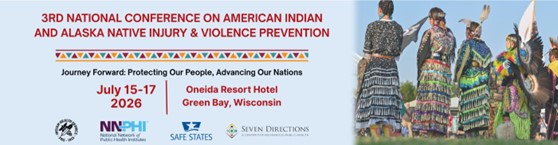
The 3rd National Conference on American Indian and Alaska Native Injury and Violence Prevention will be held in Green Bay, Wis., from July 15–17. Hosted in collaboration with national and Tribal organizations, the event is committed to advancing injury and violence prevention in Native communities.
This conference brings together Tribal, urban Indian, federal, state, and community representatives to strengthen injury and violence prevention efforts through the sharing of practical strategies, promising practices, and lessons learned. It provides a dedicated space for connection, learning, and collaboration grounded in Tribal perspectives and community experience. Register here.
IHS California Area Representatives Attend Clinical and Workforce Summit
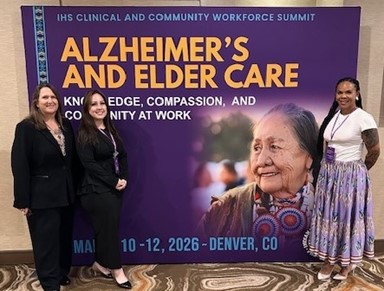
From March 10–12, representatives from the California Area participated in the IHS Clinical and Community Workforce Summit, which focused on “Alzheimer’s and Elder Care: Knowledge, Compassion and Community at Work.” Rollena Guachino and Valerie Sundly from the Indian Health Council, a Model of Care grantee serving Tribal communities in Southern California, presented a poster highlighting their multidisciplinary approach to early identification of Alzheimer’s disease and related dementias. Their work emphasizes care coordination, culturally relevant services, and family support for Tribal elders. Anna Knight, NP health consultant & health promotion/disease prevention consultant, also presented “Brain Injury Across the Lifespan: Prevention, Recognition, and Treatment.” Her session highlighted risk factors for brain injury among American Indian and Alaska Native populations and strategies to strengthen culturally responsive screening, care coordination, and referral across Tribal and urban Indian health systems.
IHS Elder Team Site Visit Denver Indian Health and Family Services
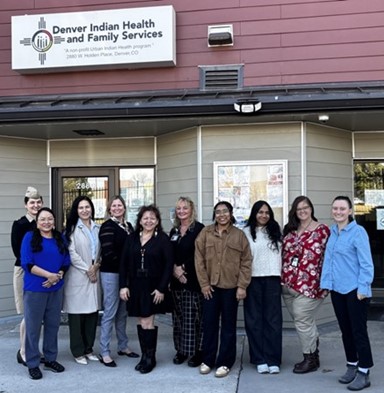
On March 9, the IHS Alzheimer’s Grant team conducted a site visit to Denver Indian Health and Family Services (DIHFS) to review grant implementation and provide technical assistance. The team toured the Betty Gress Clinic, met with leadership and staff, and discussed dementia screening, outreach strategies, and care coordination. DIHFS shared plans to implement universal Mini-Cog screening, expand caregiver training, and strengthen interdisciplinary collaboration. The visit also included a community learning opportunity at the History Colorado Center. The visit strengthened partnerships and helped identify technical assistance needs to support the successful implementation and sustainability of the Alzheimer’s Grant Program.
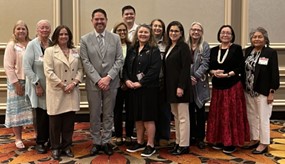
Tribal Leaders Diabetes Committee Shares Meeting Highlights
The Tribal Leaders Diabetes Committee (TLDC) met on March 17–18 in Tucson, Ariz., for its quarterly hybrid meeting. TLDC Co-Chair Connie Barker opened the meeting with the news that TLDC founding member Rosemary Nelson passed away in February 2026. A long-time California Area representative, Nelson will be remembered for her advocacy in supporting the growth of the Special Diabetes Program for Indians and her passion for bringing equity to smaller Tribes with the resources to prevent and treat diabetes. She was honored by a prayer, a traditional song, and a memorial display.
In other highlights, the TLDC held a meaningful dialogue with Division of Diabetes Treatment and Prevention Director Carmen Licavoli on the use of unobligated funds. The National Indian Health Board provided a legislative update, and IHS leadership also presented on current initiatives. In honor of National Nutrition Month, presentations and Q&A sessions were provided on the updated Dietary Guidelines for Americans, the Produce Prescription Pilot Program, and more.
IHS Recognizes National Medical Biller’s Day
March 26 was National Medical Biller’s Day! Behind every successful health care facility is a dedicated medical biller ensuring accuracy, efficiency, and financial stability. Thank you to all medical billers across the Indian health system for all that you do to keep our operations running smoothly and our patients supported.
SDPI Area Diabetes Consultants Hold Hybrid Meeting
The SDPI Area Diabetes Consultants (ADC) hybrid meeting was held on March 18 in Tucson, Ariz., following the Tribal Leaders Diabetes Committee meeting. The meeting included updates from each area along with discussions on web-audit data submission requirements and the proposed DDTP-DCCS Community Health Representative Pilot Program. The ADCs also supported moving forward with the development of a children’s educational coloring tool and diary records for blood glucose and weight.
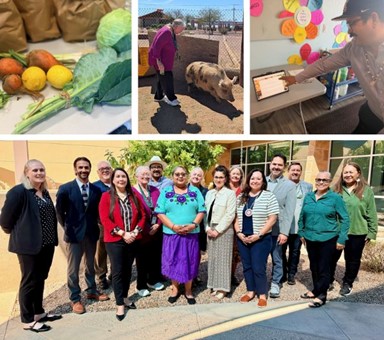
IHS Leadership and P4 Team Conduct Site Visit with Pascua Yaqui Tribe
On March 19, the IHS Produce Prescription Pilot Program (P4) support team were joined by members of IHS leadership to conduct a second site visit to the Pascua Yaqui Tribe’s (PYT) Yoemem Harvest program. It launched in July 2023. The visit included a tour of the PYT Health and Social Services Family Center and Mochik Ranch, highlighting Yoemem Harvest’s agricultural expansion and Yoeme crop revitalization efforts to support food sovereignty. The team also visited the future site of Chepa’s Fresh Market, which will expand access to affordable, fresh, healthy foods when it opens in December. Additionally, the team observed the weekly produce box distribution and attended the Santa Cruz Farmers Market, where participants can redeem supplemental produce vouchers.
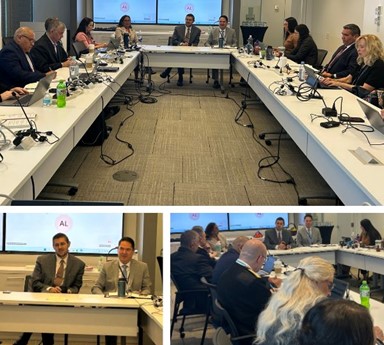
Area Directors Convene to Discuss Key Priorities and Initiatives Impacting IHS
IHS area directors met in-person at IHS Headquarters in Rockville, Md., to engage in dialogue on key priorities and strategic initiatives impacting the agency. The agenda included a range of critical topics, including IHS Leadership Rounds, which focuses on strengthening leadership presence and engagement across service units, and strategies for achieving organizational goals aligned with our mission and performance objectives.
Discussions also emphasized improving the continuity of health care operations, with attention to enhancing service delivery, maintaining resilience in the face of challenges, and ensuring consistent, high-quality care for the communities we serve. The meeting is as an important forum for collaboration, information sharing, and aligning efforts to advance IHS priorities.
IHS Modernization Program Team Attends Key Healthcare Conference
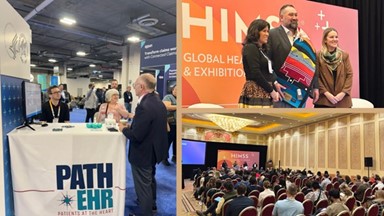
The IHS Health Information Technology Modernization Program attended the 2026 Healthcare Information and Management Systems Society conference in Las Vegas, Nev., from March 9–12. IHS Chief Information Officer Mitchell Thornbrugh delivered an impactful keynote during the Native American & Indigenous Symposium, highlighting the agency’s modernization efforts. The IHS also hosted a booth at the conference to help increase awareness of PATH EHR and to engage with industry leaders.
Division of Commissioned Personnel Support – 2026 Liaison Officer Retreat
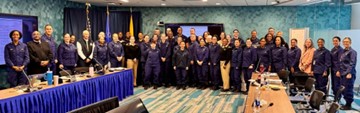
On March 17–18, leadership and staff from the Division of Commissioned Personnel Support attended the 2026 Liaison Officer Retreat in Rockville, Md. The focus of the retreat was to optimize Commissioned Corps operations between IHS and Commissioned Corps Headquarters. Participant’s feedback helped strengthen operations and promote proactive intergovernmental and external relationships.
Dental Directors Concepts Course Provides Foundational Principles for Clinic Management
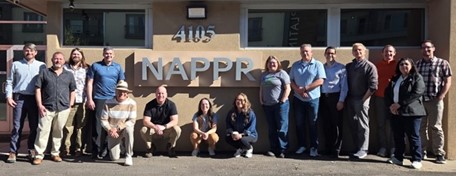
On March 16–20, the IHS Division of Oral Health (DOH) held the Dental Directors Concepts I course in Albuquerque, N.M.. The course provided 11 IHS and Tribal dental directors with foundational principles in dental clinic management, combining both traditional and cutting-edge oral health management theories. Participants engaged with real-world case examples to develop and strengthen the practical skills necessary to effectively lead and manage a local dental program. The training emphasized critical thinking, decision-making, and leadership strategies essential for success in today’s evolving health care environment. DOH thanks the Albuquerque Area Dental Support Center staff and the Native American Professional Parent Resources for their assistance in hosting this event.
Albuquerque Indian Dental Clinic Sees 170 Patients During Give Kids a Smile Event
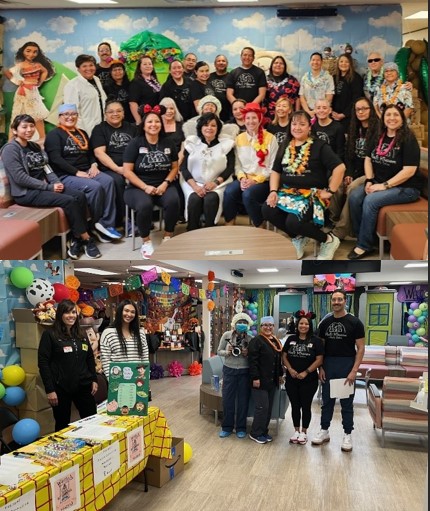
On March 11–12, the Albuquerque Indian Dental Clinic (AIDC) celebrated the annual Give Kids A Smile event. This year’s theme, “Magic Kingdom of Native Smiles,” transformed the clinic with festive décor, engaging activities, and prizes for all attendees. Approximately 170 patients received essential dental care while enjoying the fun-filled atmosphere coordinated by the dedicated AIDC team and partners. Thank you to everyone whose efforts continue to make a meaningful difference in improving the oral health of Native youth.
Oklahoma City Indian Clinic Participates in Give Kids a Smile Day Event
Dental staff at the Oklahoma City Indian Clinic (OKCIC) provided comprehensive care to 159 children during this year’s Give Kids A Smile Day, demonstrating their ongoing commitment to improving oral health for young patients. Throughout the event, the dental team delivered a full range of services, including screenings, cleanings, X-rays, fluoride treatments, stainless steel crowns, fillings, and even an extraction, ensuring each child received the care they needed. In addition to clinical services, every child left with an electric toothbrush and other dental care items to support healthy habits at home. The event highlights the dedication of OKCIC’s dental staff to prevention, education, and early intervention, helping set the foundation for lifelong oral health in the community, with plans already underway to make next year’s event even larger.
California Area Hosts Infection Prevention Training Event
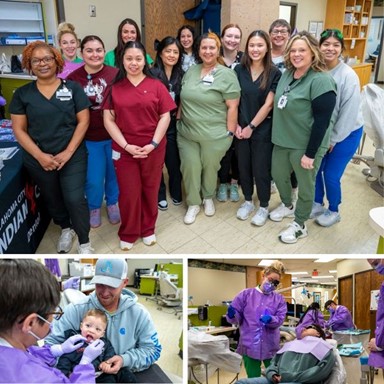
The California Area hosted a two-day, in-person “Infection Prevention Excellence: Comprehensive Training for Safe Healthcare Practices” on March 24–25, in Sacramento, in partnership with the U.S. Centers for Disease Control and IHS Office of Quality. The training brought together 57 participants, including infection preventionists, clinical staff, and health care leaders, to strengthen infection control practices through sessions on sterilization, high-level disinfection, environmental services, and infection control programs. This collaborative effort supports the goals of the agency to advance patient safety, strengthen the health care workforce, and improve quality of care across the IHS system.
Great Plains Area Celebrates Retirement of EMT-Paramedic Following 46-Year Career
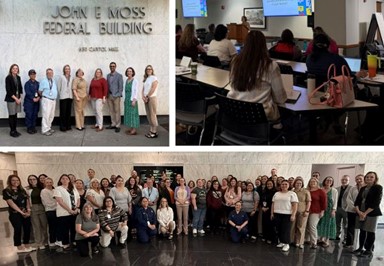
Cheyenne River Health Center recently celebrated the retirement of Terry Bottjen, nationally certified EMT-paramedic, honoring an extraordinary 46-year career in emergency medical services. Throughout his career, Bottjen received numerous awards and recognitions for his dedication to advancing EMS across South Dakota. In the 1980s, he helped establish the Hill City Ambulance Service and later served as a flight paramedic with Medical Air Rescue in Rapid City. In 2012, Bottjen returned to ground EMS with IHS, continuing his commitment to serving our communities. His compassion for the relatives we serve is immeasurable and reflected in the many honors he received, including the prestigious 2017 National Paramedic of the Year award. CRHC will greatly miss Terry, but his lasting impact on the EMS program and the lives he touched will never be forgotten.
IHS Navajo Area and Navajo Nation Epidemiology Center Host One Health Meeting
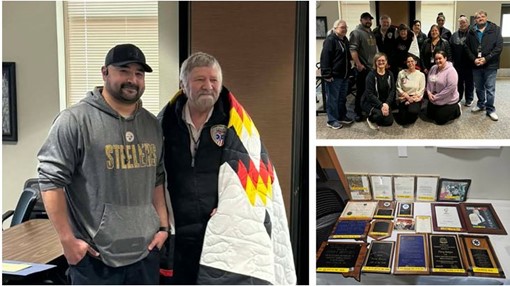
The Navajo Area Office of Public Health recently partnered with the Navajo Nation Epidemiology Center to host the third quarter One Health meeting. The meeting provided an opportunity for stakeholders to provide updates, share current surveillance, highlight control activities, and strengthen interagency collaboration using the CDC’s One Health model to enhance preparedness, early detection, and rapid response for vector and zoonotic diseases and outbreaks. Participants included the Utah Department of Health and Human Services, New Mexico Department of Health, Navajo Nation Wildlife Biologists, local veterinarians, Office of Environmental Health, and public health teams. The meeting focused on climate health, including water infrastructure, climate change, and livestock management on the Navajo Nation.
IHS Blogs
Subscribe to the IHS blog by providing your name and email address in the “Stay Connected” box.
Social Media
Follow IHS on X, Facebook and LinkedIn to see more of what the IHS is doing in your community and around the country. You can also follow the IHS Director on Facebook and X.
