September 28, 2026: IHS Updates for Tribes and Tribal and Urban Indian Organizations
The bi-weekly update provides up-to-date information on recent events, meetings, conferences, upcoming deadlines, and recognition of the work being done across the Indian Health Service, other federal agencies, and Indian Country. For more information or questions, please email IHSPublicAffairsStaff@ihs.gov.
HHS, IHS Leaders Meet with Tribal Leaders at STAC and DSTAC Meetings
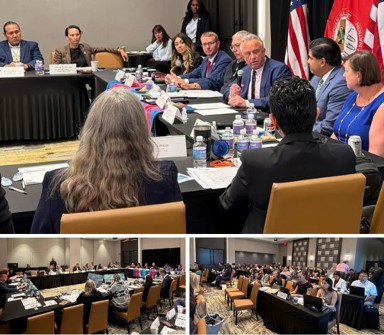
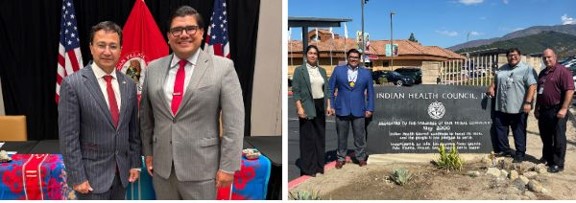
Last week, HHS Secretary Robert F. Kennedy Jr. and IHS Director Mark Cruz joined Tribal leaders in Jamul, Calif., for the Secretary’s Tribal Advisory Committee (STAC) meeting. The meeting provided an opportunity for Tribal leaders to engage directly with Kennedy and HHS leadership about priorities and challenges affecting their communities, HHS programs and services, and opportunities to strengthen coordination and partnership in serving American Indian and Alaska Native communities.
The IHS Direct Service Tribes Advisory Committee (DSTAC) also convened its fiscal year 2026 fourth-quarter meeting, hosted by Jamul Indian Village Chairwoman Erica Pinto, and participated in joint sessions with STAC. During the trip, Tribal leaders participated in the ceremonial swearing-in of Cruz as IHS director and visited Tribal health care facilities in Southern California.
Discussions covered IHS priorities, including the IHS Hiring Initiative, as well as the budget, hospital tier updates, Title I of the Indian Self-Determination and Education Assistance Act, Section 105(l) leases, public health, support for American Indian and Alaska Native veterans, and emergency preparedness and response.
Mark Cruz Ceremonially Sworn In as 12th IHS Director
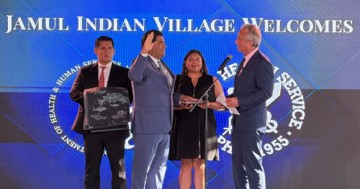
On September 22, HHS Secretary Robert F. Kennedy, Jr. ceremonially swore in Mark Cruz as the 12th Director of the Indian Health Service. Family, friends, and Tribal leaders joined the ceremony to mark this important moment in his service to American Indian and Alaska Native communities.
IHS Director Recognizes Community Health Aide Program Grant Recipients
During his visit to the California Area last week, IHS Director Mark Cruz joined Cherokee Nation Principal Chief Chuck Hoskin Jr. and leaders of Indian Health Council, Inc. to recognize their Community Health Aide Program (CHAP) Tribal Planning and Implementation Grant awards announced September 16. Cherokee Nation received $500,000, and Indian Health Council, Inc. received $624,267 to support the planning and implementation of CHAP in their communities.
The awards are part of $2.3 million in Trump administration funding awarded to four Tribes and Tribal organizations over three years to support CHAP expansion in the contiguous 48 states. The funding will help expand access to community-based primary, behavioral, and oral health services while strengthening the Tribal health workforce and supporting programs tailored to the needs of individual communities.
IHS Director Highlights Prevention at Native Home Visiting Meeting
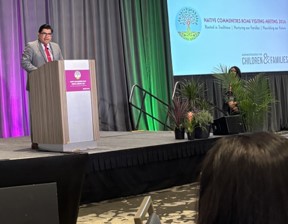
On September 23, IHS Director Mark Cruz who also serves as Senior Advisor for Native Affairs to HHS Secretary Kennedy addressed the 2026 Native Communities Home Visiting Meeting in San Diego, Calif., highlighting early prevention, culturally grounded care, and partnerships that support Native children and families. The meeting brought together home visiting programs, Tribal leaders, and community partners.
Cruz emphasized the role of home visitors in connecting families with preventive care, nutrition resources, and health and community services. He also highlighted IHS efforts to strengthen child health through the Healthy Lifestyles in Youth Program, the IHS Pediatrics Primary Care Toolkit, and partnerships that expand access to pediatric care.
Cruz underscored the importance of programs that reflect local culture, priorities, and circumstances. He reaffirmed the commitment of the IHS to working with Tribal Nations and community partners to strengthen prevention, build local capacity, and support community-driven solutions.
Director Cruz Addresses Native Forward Scholars Fund Leadership Meeting
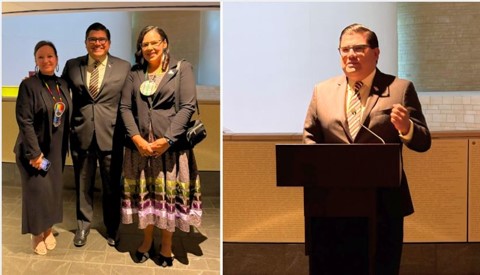
On September 15, IHS Director Mark Cruz was honored to serve as an alumni keynote speaker during a Native Forward Scholars Fund leadership meeting held at the National Museum of the American Indian in Washington, D.C. Cruz joined a distinguished audience of Tribal leaders, federal policy officials, philanthropic executives, and key national partners gathered to advance Indigenous higher education and workforce development.
“I remember the day I opened the letter with news that I earned a full ride scholarship from the American Indian Graduate Center, now known as Native Forward,” said Cruz. “Scholarships give Native students the opportunity to pursue an education and credentials to serve Indian Country across industries and sectors, as in my case a teacher, public servant, and now public health.”
Throughout their 50-year history, Native Forward has empowered scholars from over 500 Tribes across all 50 states through scholarship funding and holistic support.
Affiliated Tribes of Northwest Indians Hold Annual Convention
On September 14, Director Cruz joined Tribal Leaders and healthcare professionals at the Affiliated Tribes of Northwest Indians Annual Convention in Snoqualmie, Wash. He provided remarks on key focus areas for the IHS and engaged with Tribal leaders on healthcare matters and issues affecting Tribal communities in the Pacific Northwest. Cruz also held Tribal delegation meetings with the Coeur d’Alene Tribe, Nez Perce Tribe, and Squaxin Island Tribe to hear directly about their priorities.
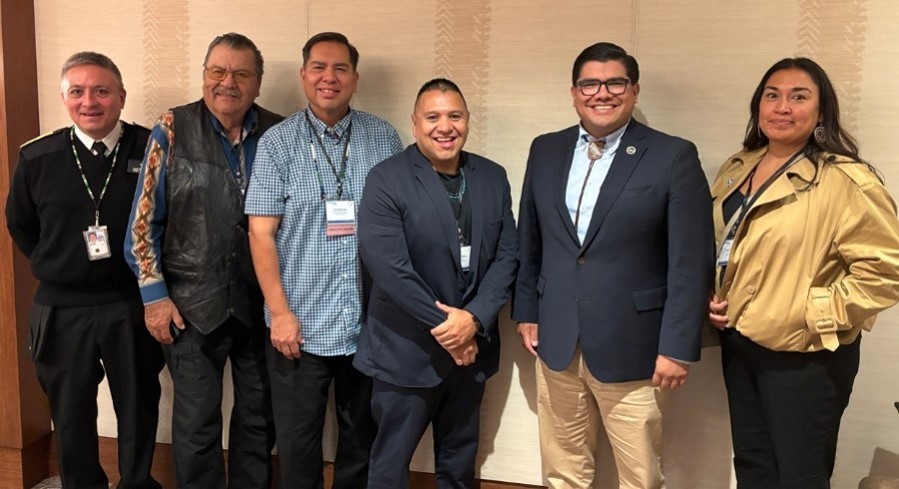
IHS Director Mark Cruz with Coeur d’Alene Tribal Chief Allan and members of the Coeur d’Alene Tribal Delegation.
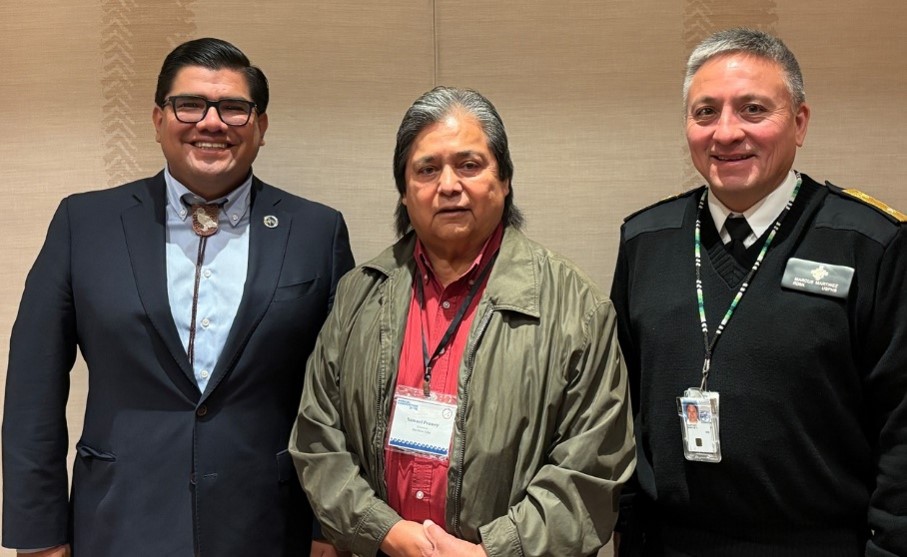
Director Cruz with Nez Perce Tribal Chairman Samuel Penney and Portland Area IHS Director Rear Adm. Marcus Martinez
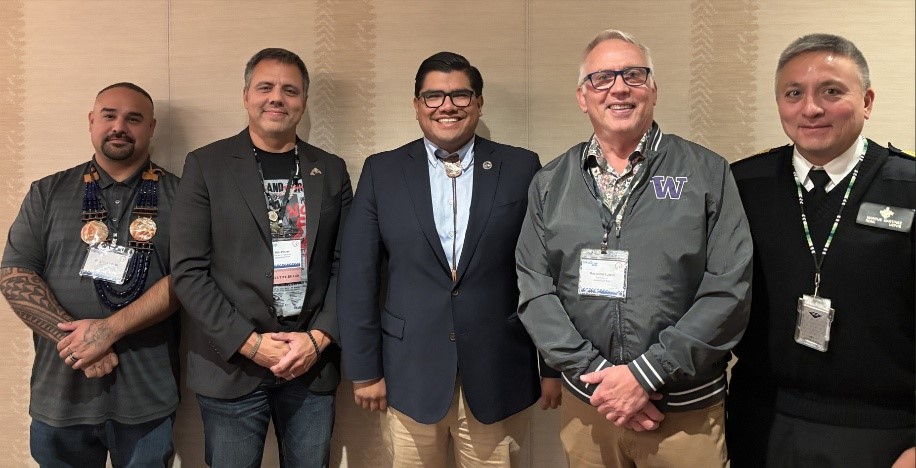
Director Cruz with Squaxin Island Tribal Chairman Kris Peters and members of the Squaxin Island Tribal Delegation
IHS Awards $3.5 Million to Expand Produce Prescription Programs
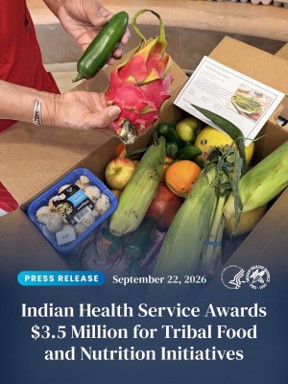
On September 22, the IHS announced $3.5 million in awards to 14 Tribal and urban Indian communities through the Produce Prescription Pilot Program (P4) to establish and implement community-driven produce prescription programs. The funding advances the program into Phase 2, expanding access to healthy foods and strengthening connections among health care, nutrition, and local food systems.
The investment advances the Trump administration’s Make America Healthy Again Strategy by addressing nutrition as a foundation of health, strengthening preventive care, and supporting community-driven approaches to reducing chronic disease. Phase 2 builds on the original program established in 2023 to help reduce food insecurity and improve health outcomes among American Indian and Alaska Native people by increasing access to fruits, vegetables, and traditional foods. Read the HHS announcement.
IHS Announces $2.3 Million in Awards for Expansion of Community Health Aide Program
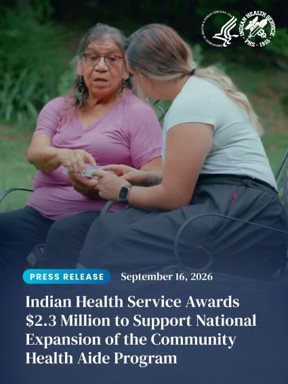
On September 16, the Indian Health Service announced the award of grants totaling $2.3 million over three years to four Tribes and Tribal organizations to support the expansion of the Community Health Aide Program (CHAP) to the contiguous 48 states.
“The movement to Make America Healthy Again starts in our communities,” said IHS Director Mark Cruz. “Our Tribal communities know our needs, and we know the people who can help meet them. CHAP allows us to invest in our local leaders, create new pathways into the health professions, and give Tribes the flexibility to build programs around our own cultures and priorities. That means more opportunity for Tribal members and better access to care close to home.”
Access to care, particularly dental care, can be challenging in remote areas of Indian Country. The intent of the national CHAP in the lower 48 states is to strengthen health care delivery for the IHS by augmenting the existing workforce with mid-level behavioral, community, and dental health professionals, utilizing culturally competent providers, and providing workforce development opportunities for locally developed staff. Read more in the IHS Newsroom.
Listening Session on Health Care Facilities Construction for Tribal and UIO Leaders
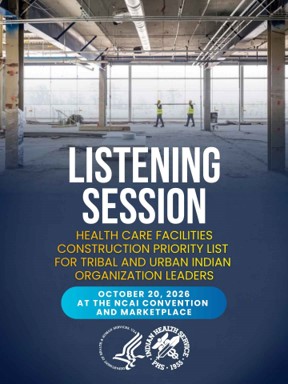
Tribal leaders and urban Indian organization leaders are invited to join IHS for an informational listening session on October 20 from 4:30–6:00 p.m. PDT during the National Congress of American Indians 83rd Annual Convention and Marketplace in Palm Springs, Calif. The session will be held in the Smoketree F Room at the Palm Springs Convention Center.
The IHS will provide an overview of the Health Care Facilities Construction Priority System, review the remaining projects on the IHS Facilities Construction Priority List and their status, and explain how Congress funds health care facilities construction. The session will also provide an opportunity for Tribal and urban Indian organization leaders to share perspectives and discuss strategies for advancing and completing the remaining projects. Learn more in the September 24 letters to Tribal leaders and urban Indian organization leaders.
Tribal Leaders Diabetes Committee Discusses SDPI Funding and Priorities
The Tribal Leaders Diabetes Committee (TLDC) met on September 15 to discuss the Special Diabetes Program for Indians (SDPI), federal funding and legislative developments, and upcoming committee activities. Members received an update on SDPI funding, including $200 million for fiscal year 2026 and funding for the first three months of fiscal year 2027. The committee also reviewed feedback from recent Tribal Consultation and Urban Confer activities regarding the use of additional SDPI funding and developed recommendations for the IHS director to support current grantees in FY 2027.
IHS Chief of Staff Clayton Fulton also met with the committee to discuss SDPI and the future direction of the grant program. The discussion highlighted IHS leadership’s focus on effective and compliant grant programs and the role of TLDC representatives in supporting those efforts.
Lawton Service Unit Participates in PATH EHR Go-Live
The IHS Health Information Technology Modernization Program completed a major milestone with the planned deployment of the new PATH electronic health record (EHR) at the Lawton Service Unit, the program’s pilot site, on September 26. Preparing for the pilot go-live required carefully balancing rigorous technical readiness with the daily demands of clinical operations. Learn more about the latest preparations in the IHS Blog.
PATH EHR Tribal Consultation and Urban Confer Recap Now Available
The IHS Health Information Technology Modernization Program continued its focus on collaboration and engagement during the August Tribal consultation and urban confer. The session focused on PATH EHR scope and capabilities, including benefits for clinicians and patients and the roadmap to implementation cohorts. Learn more about the discussion and next steps in the August Tribal Consultation and Urban Confer recap.
IHS Leadership Strengthens Tribal Emergency Preparedness Partnerships
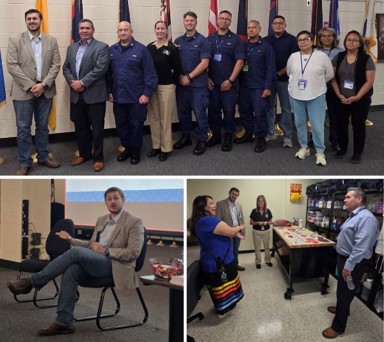
IHS Chief of Staff Clayton Fulton and Deputy Director for Management Operations Darrell LaRoche represented IHS at the Federal Emergency Management Agency’s 11th Annual Tribal Nations Training Week, held September 16–18 at the Center for Domestic Preparedness in Anniston, Ala.
Fulton and LaRoche participated in an IHS session, engaging with Tribal and federal partners on emergency preparedness, response, recovery, and continuity of health services. The annual event brings together Tribal nations, federal agencies, emergency management professionals, and public health partners to exchange expertise, strengthen coordination, and build resilience across Tribal communities.
The event also provided IHS leadership with insight into emerging preparedness priorities and opportunities for continued collaboration with FEMA and Tribal partners. Participation from the IHS reflects the agency’s commitment to strong partnerships and coordinated approaches that help protect the health and safety of American Indian and Alaska Native communities during emergencies and disasters.
IHS Welcomes Officer Basic Course 165 Graduates
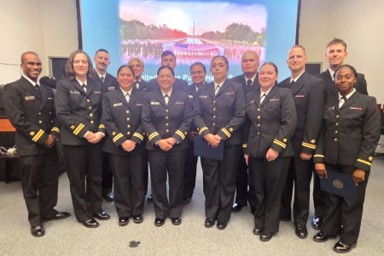
IHS welcomed 14 new officers following their graduation from Officer Basic Course 165 on September 25. The graduates represent pharmacy, nursing, engineering, health services, and dietetics and will bring their skills and experience to support patients and communities across IHS.
The new officers are pharmacists Lt. Ayesha Woods, Lt. Roland Wong, Lt. Charles Jones, Lt. Tionna Garner, Lt. Jonathan Chavez, Lt. Ysabelle Calara, Ensign Tessa Carovich, and Ensign Rose Pascal Epse Ngole; nurses Lt. Kimberly Fernandes and Lt. j.g. Daphne Altamirano; engineer Ensign Julian LaPietra; health services officer Lt. j.g. Matthew Madorski; and dietitians Lt. Susan Robins-Ndori and Lt. Andrew Hooks. IHS congratulates the graduates on this achievement and welcomes them as they begin their service.
TIPCAP Team Receives HHS Office of Grants Award
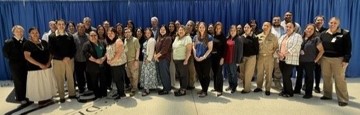
The IHS Tribal Injury Prevention Cooperative Agreement Program (TIPCAP) team received the HHS Office of Grants Outstanding Innovative Workforce Solution Award, recognizing its work to improve grants management, program implementation, operational efficiency and service to recipient communities.
TIPCAP project officers and grants management staff collaborated to develop tools, standardized resources, and learning opportunities to strengthen injury prevention efforts across 25 TIPCAP sites. These include the TIPCAP GPT, office hours, project officer orientation, standardized checklists, and recipient resources designed to improve consistency, streamline access to program guidance, and promote knowledge sharing. The team will be recognized during the HHS Office of Grants recognition ceremony on October 29 in Washington, D.C.
Maternal and Child Health Program Strengthens Emergency Care at Blackfeet
The IHS Maternal and Child Health Program conducted a site visit September 2–4 at Blackfeet Community Hospital in Browning, Mont. The team provided simulation training for the emergency department, as well as labor and delivery staff, through the IHS EMSC Hybrid Simulation Program that covered pediatric emergency scenarios, including bronchiolitis, trauma, burns, and traumatic brain injury.
Registered Nurse Mandy Anderson of the Maternal and Child Health Program also provided Neonatal Resuscitation Program instruction to help staff renew their certifications. The visit supported ongoing efforts to build local capacity and strengthen safe, high-quality maternal and pediatric care for American Indian and Alaska Native patients. Learn more about the IHS Maternal and Child Health Program.
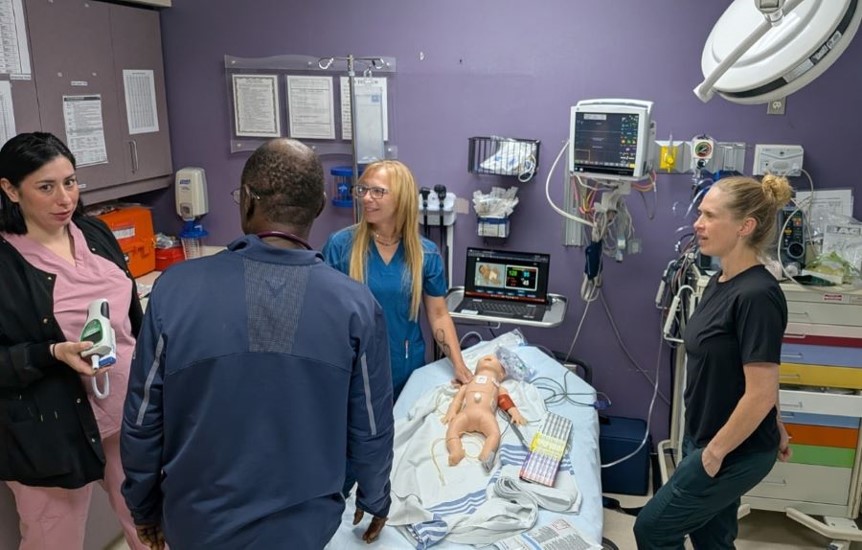
(Left to right) ER nurse Janice Christiaens, Dr. Augustine Alifo, nurse educator Mandy Anderson, and ER nurse Kim Iverson
IHS Dental Professionals Advance Digital Scanning Skills
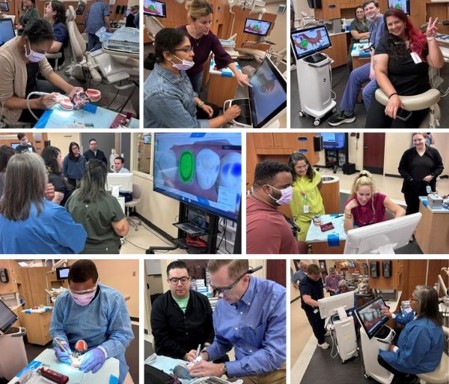
The Dental Support Center serving the Oklahoma City, Bemidji, and Great Plains Areas recently partnered with the University of Oklahoma College of Dentistry to provide hands-on digital scanning training for 26 dentists and dental assistants. Participants learned how intraoral scanners and digital software can replace traditional dental impressions for procedures involving mouthguards, crowns, and dentures.
Digital scanning allows images and prescriptions to be transmitted electronically to dental laboratories, helping streamline clinical workflows and reduce turnaround times for patients. Dentists practiced crown preparations, while dentists and dental assistants strengthened their scanning techniques and four-handed dentistry skills to support more efficient patient care.
IHS Staff Advance Sterilization Expertise Through Cross-Agency Training
Last week, 22 staff from service units across IHS attended sterilization and high-level disinfection workshops in Bethesda, Md. Participants included infection prevention, nursing, Division of Oral Health, and reprocessing staff who trained alongside military service members from around the world.
The workshops were conducted through a collaboration between IHS and the Defense Health Agency and facilitated by Uniformed Services University. Participants gained knowledge and skills in cleaning, disinfecting, and sterilizing instruments and equipment used in patient care, strengthening infection prevention practices and supporting patient safety across IHS.
IHS Alzheimer’s Program Supports Dementia Care at Indian Family Health Clinic
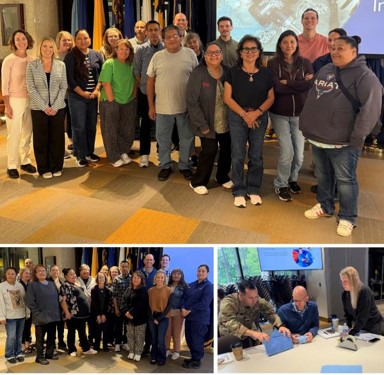
The IHS Alzheimer’s Program team conducted a site visit on September 9–10 at the Indian Family Health Clinic in Great Falls, Mont., to review grant implementation and provide technical assistance. The team met with leadership and clinical staff to discuss dementia screening, caregiver support, care coordination, and progress on grant activities. Team members also participated in a learning session at the Weissman Hood Institute focused on local dementia research.
The visit included a Dementia Care Pathway session facilitated by Dr. Maria Bellantoni to help integrate dementia care into everyday clinical workflows. Through site visits and technical assistance, the Alzheimer’s Program works directly with grantees to develop sustainable dementia care programs tailored to the communities they serve.
IHS Celebrates Environmental Services Week
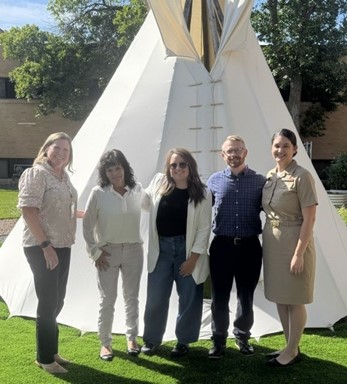
A clean and safe health care environment takes teamwork, dedication, and attention to detail. During Environmental Services Week earlier this month, the IHS celebrated the professionals across the agency who bring those qualities to work every day. Their commitment helps create a safe environment for our patients, visitors, and staff. The IHS appreciates their continued efforts!
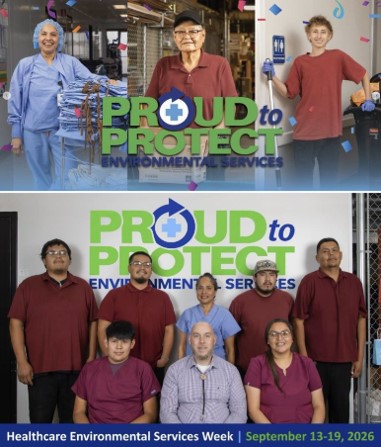
Phoenix Indian Medical Center EVS Team
IHS Connects Native Veterans with Resources at Alaska Stand Down
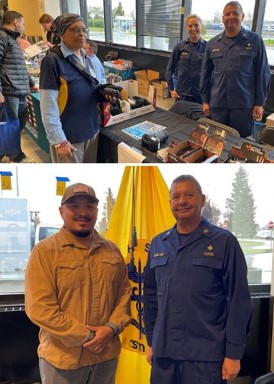
On September 18, IHS joined the U.S. Department of Veterans Affairs and Southcentral Foundation Family Wellness Warriors for a Veterans Stand Down event at Ted Stevens Anchorage International Airport in Alaska. Stand Downs are community events that connect veterans experiencing or at risk of homelessness with essential resources, support, and health care services.
More than 130 veterans attended the event, where the IHS Office for Indian Veterans Support helped connect Native veterans with health care benefits and other resources. The event provided an opportunity to reach veterans directly, strengthen coordination among participating organizations, and increase awareness of available services and support.
Behavioral Health Advisory Committee Advances Tribal Priorities
On September 2, the IHS National Tribal Advisory Committee on Behavioral Health met for its third-quarter meeting in Ridgefield, Wash., hosted by the Cowlitz Indian Tribe. Members discussed integrated care, legislative developments, shared Area priorities, emerging issues, and strategic planning for the upcoming year.
The meeting provided an opportunity for committee members and IHS leadership to identify shared priorities and continue planning efforts to improve behavioral health services for American Indian and Alaska Native people. Members also discussed opportunities to strengthen Tribal representation on the committee.
The committee is currently seeking representatives from four IHS Areas. Filling the vacancies will help broaden Tribal representation in discussions that inform IHS behavioral health programs and priorities. Learn more about the committee and current vacancies.
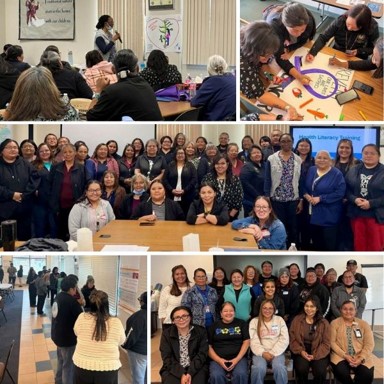
Health Literacy Training Builds Community Skills in the Navajo Area
The Crownpoint Service Unit Division of Public Health partnered with the IHS Headquarters Health Education Program to provide two health literacy trainings for community health representatives, health care staff, and partners across the Navajo Area.
Among the 61 participants who completed evaluations, 100 percent said they would recommend the training. Participants also reported plans to apply what they learned to strengthen communication with patients. To learn more about health literacy training or hosting a future workshop, contact Taryn Watson at Taryn.Watson@ihs.gov.
AAP and American Psychological Association Visit Bemidji Area
The American Academy of Pediatrics Committee on Native American Child Health, in partnership with the American Psychological Association, conducted consultation site visits in the Bemidji Area from September 10–13. Teams visited the Indian Health Board of Minneapolis, Red Lake Hospital, and White Earth Health Center in Minnesota to learn about best practices and provide resources and support to staff and patients.
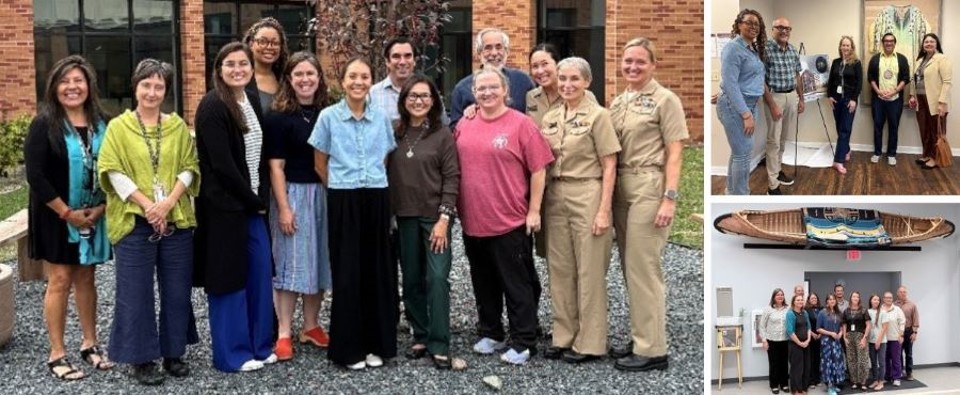
(Clockwise from left) Site visits at Red Lake Hospital, the Indian Health Board of Minneapolis, and White Earth Health Center
National Pharmacy Council Third Quarter Spotlight: Winnebago Clinical Pharmacy Team
The Winnebago Comprehensive Healthcare System Clinical Pharmacy team is enhancing diabetes care through its pharmacist-led continuous glucose monitoring program. Pharmacists work directly with patients to initiate continuous glucose monitoring, interpret glucose trends, provide education, and identify opportunities to optimize medication therapy. The technology provides a more complete picture of how medications, meals, physical activity, and daily routines affect glucose levels.
With pharmacist guidance, patients can learn to recognize glucose patterns and take a more active role in managing their diabetes. Pharmacists can also identify hypoglycemia or persistent hyperglycemia and collaborate with the health care team to address concerns. By combining real-time data, medication expertise, and personalized education, the program supports coordinated, proactive, patient-centered diabetes care across the Winnebago Comprehensive Healthcare System.
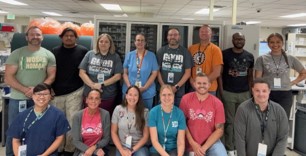
IHS Celebrates First Lean Six Sigma Black Belt Graduate
Congratulations to Capt. Amanda Lessert of the Headquarters Office of Quality, Division of Innovation and Improvement, on becoming the first certified Lean Six Sigma Black Belt to graduate from the IHS Lean Six Sigma Training Program. Black Belt certification is the program’s most advanced level of training and requires 108 hours of coursework, application of advanced process improvement methods, and completion of an enterprise-wide certification project. In addition to completing her Black Belt requirements, Lessert mentored a Green Belt candidate through successful certification. Her achievement contributes to strengthening process improvement capabilities across IHS.
IHS Highlights Septic System Care During SepticSmart Week
IHS joined communities, Tribes, organizations, and state and local governments in recognizing SepticSmart Week, an annual observance held during the third week of September to raise awareness about proper septic system care and maintenance. Properly maintained septic systems help protect public health, water resources, and the environment.
Since 2020, IHS has participated in the Environmental Protection Agency’s Decentralized Wastewater Memorandum of Understanding, a partnership that brings together federal agencies and other organizations to exchange information on decentralized wastewater technologies, support training, promote public awareness, and develop educational resources. The partnership supports national collaboration to improve decentralized wastewater system performance and protect public health and water resources. Learn more about SepticSmart Week and EPA’s Decentralized Wastewater Partnership.
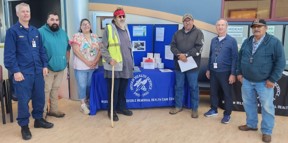
IHS staff from the OEHE Sisseton Field Office and local Tribal utility staff members promote SepticSmart Week at the W.W. Keeble Memorial Healthcare Center in Sisseton, S.D.
IHS Connects with Future Health Professionals at AAIP Conference
From September 17–19, staff from the IHS Headquarters Division of Recruitment and Retention participated in the Association of American Indian Physicians Conference in Oklahoma City, Okla. The IHS team connected with American Indian physicians, residents, and medical students from across the country to share information about IHS career opportunities, clinical rotations at IHS facilities, and the IHS Scholarship and Loan Repayment Programs. Dr. Loretta Christensen, IHS chief medical officer, provided an agency update and visited the IHS booth to meet with IHS scholars attending the conference.
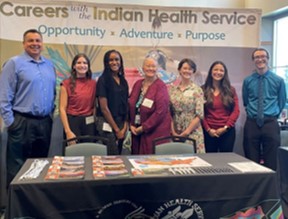
Chief Medical Officer, Dr. Loretta Christensen (center), with IHS staff and IHS scholars at the Association of American Indian Physicians Conference
Division of Diabetes Treatment and Prevention Webinar Series
The IHS Division of Diabetes Treatment and Prevention: Advancements in Diabetes Webinar Series is hosting the following webinar for health care providers:
- “Made for us, By Us: Get to Know CDC’s New Native PreventT2 Curriculum and Resources” on September 30 at 3 pm ET. Click here to attend.
Telebehavioral Health Center of Excellence Webinar Series
The Telebehavioral Health Center of Excellence Tele-Education Program is hosting the following webinars for health care providers:
- Telehealth Webinar Series: "Crises in Caregiving: Helping Families Cope” on October 6 at 12:00 p.m. ET | Register here
- Telehealth Webinar Series: "Crises in Caregiving: Helping Families Cope Part 2” on October 13 at 12:00 p.m. ET | Register here
- Program Sustainability Webinar Series: "Identifying Potential Sources of Funding” on October 19 at 12:00 p.m. ET | Register here
- Telehealth Webinar Series: "Crises in Caregiving: Helping Families Cope Part 3” on October 20 at 12:00 p.m. ET | Register here
IHS Blogs
Subscribe to the IHS blog by providing your name and email address in the “Stay Connected” box.
- PATH HER Go-Live: Lawton Service Unit Prepares to Lead the Way
- August Tribal Consultation and Urban Confer Recap: Roadmap to Cohorts
Social Media
Follow the IHS on Facebook, LinkedIn, and X, to see more of what the IHS is doing in your community and around the country. You can also follow the IHS Director on Facebook and X.
