As we observe National EMS Week 2026, the Indian Health Service recognizes the dedication, skill, and service of EMS professionals across Indian Country. This year's theme, “Improving Outcomes, Together,” reflects the teamwork and coordination that strengthen emergency care, improve patient outcomes, and help save lives every day.
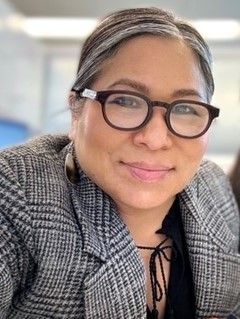
Advancing Community Connections Through EMS – Lhadze Bosiljevac-Collins, Isleta Paramedic
At Isleta EMS in Albuquerque, New Mexico, emergency services are more than responding to emergencies. It is about collaboration, trust, and supporting communities across Indian Country.
One of the biggest highlights of 2025 has been advancing the C.I.R.C.L.E. initiative–the coalition of Indigenous Responders for Community Life and Emergency–which brings together Tribal EMS agencies across New Mexico, Arizona, and the Eastern Band of Cherokee Indians to strengthen support networks for Indigenous responders and communities.
Isleta EMS supports mentorship opportunities for students from Tribal backgrounds who are pursuing careers in EMS, helping connect them with academic and professional opportunities.
When asked what about the meaning of “Improving Outcomes, Together,” one Isleta EMS professional shared that it means health care agencies, providers, and education systems come together and collaborate in tandem, not against one another.
The same approach carries into patient care. As one EMS professional explained, when community members call 911 for wellness checks it means someone trusted us enough to call for a second opinion. They added that many EMS professionals carry patient interactions with them long after a call ends, especially the conversations and moments shared with patients and families.
Building Partnerships Through EMS Care – Marquis Trujillo, Rosebud Nationally Registered Paramedic
At Rosebud Ambulance Service in South Dakota, Tribal EMS professionals are focused on strengthening emergency response, improving patient care, and building trust within the community. Recent efforts have included implementing a new computer-aided dispatch system to improve response times, crew safety, and ambulance utilization, as well as installing driver compartment cameras to support safer operations for EMS crews. The EMS team also participated in a Cambridge Assessment Study to identify opportunities for continued organizational improvement.
When asked why, “Improving Outcomes, Together,” they shared that it starts with strong partners built through trust, respect, communication, and cultural understanding. They emphasized the importance of working collaboratively with Tribal leaders, community members, and health care organizations to support compassionate, culturally responsive care.
The EMS team at Rosebud also highlighted the important role EMS professionals can play in improving health literacy and strengthening trust in health care systems within Tribal communities.
They added that many people may not realize EMS professionals are more than emergency responders. Every day, they make rapid critical decisions, provide emotional support to patients and families, and serve as an important point of health care access for many individuals.
Answering the Call to Serve the Community – Terry Payer Jr., Christopher Dubois, McKenzie Peters, Michael Bercier; Belcourt Ambulance Service
At the Belcourt Ambulance Service in Belcourt, North Dakota, EMS professionals are more than emergency responders. They are caregivers, educators, mentors, and trusted members of the local community.
The EMS team, which includes staff with experience ranging from less than two years to more than two decades, responds to a wide range of community needs while supporting patients during some of life’s most difficult moments.
For many on the squad, the work is deeply personal. One EMS professional shared that serving the community means “a safe net” for patients and families by providing comfort, education, and support during both emergency and non-emergency situations.
The EMS team described the importance of helping the community they grew up in and supporting neighbors, friends, and family members when they need urgent care. They also expressed appreciation for the surrounding EMS agencies, staffing partners, schools, and community organizations that continue to support EMS services, as well as help train future emergency responders in the region.
Despite challenges, the squad continues to work to improve care, mentor future EMS professionals, and strengthen partnerships. After recently receiving recognition for their work, team members shared that the acknowledgment was meaningful, not only for individual staff, but for the entire service and community they support every day.